
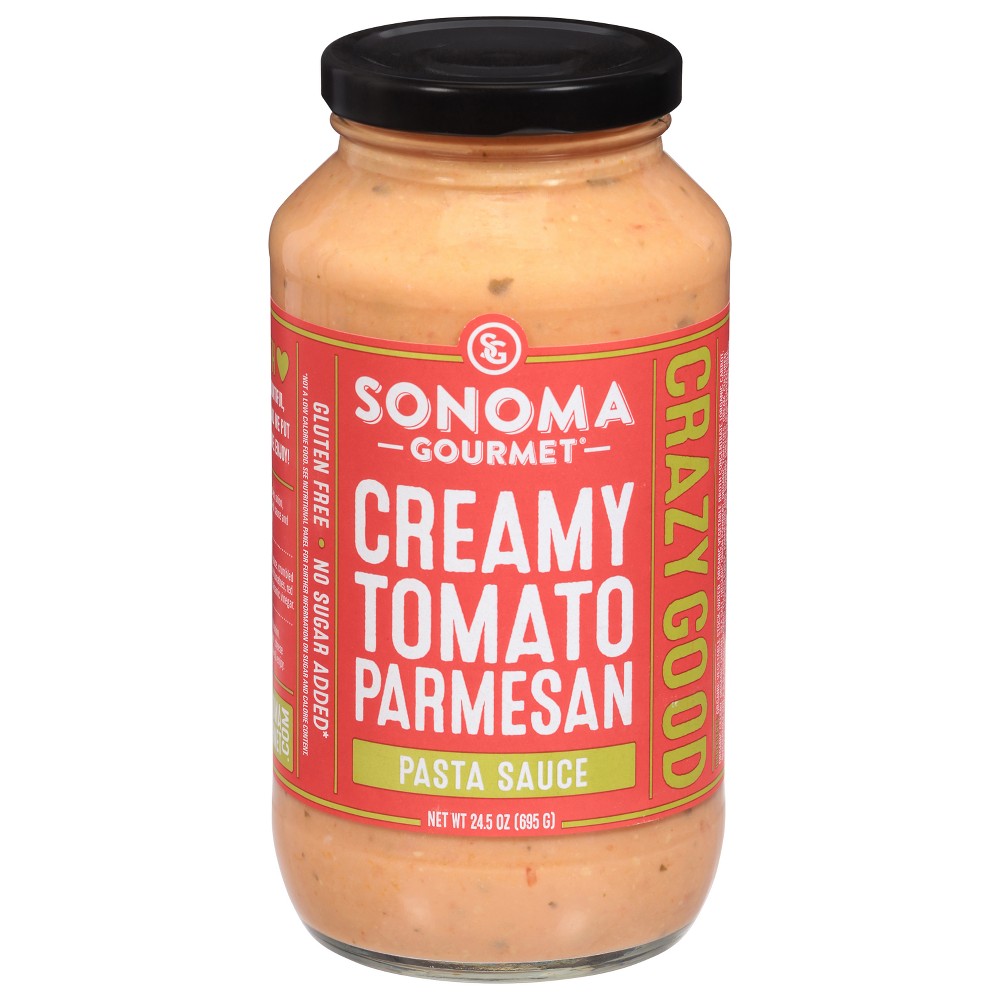


Sonoma Gourmet Creamy Tomato Parmesan Pasta Sauce - 24.5oz
Analysis updated July 2026 · How Scout scores
At a glance
Summary
This pasta sauce contains several beneficial ingredients such as organic tomatoes, cultured buttermilk, and Parmesan cheese, which contribute to its nutritional value. However, the presence of expeller-pressed canola oil, a seed oil high in omega-6 fatty acids, is a concern due to its potential inflammatory effects. Additionally, the product is classified as ultra-processed, which limits its overall health rating despite the use of organic ingredients.
Key ingredients 15
Organic TomatoesVery Good
Organic tomatoes are rich in vitamins, minerals, and antioxidants like lycopene. They are grown without synthetic pesticides, enhancing their nutritional profile. Lycopene is known for its potential to reduce the risk of chronic diseases.
Benefits
Rich in antioxidants and vitamins that support overall health. Lycopene may help reduce the risk of heart disease and certain cancers.
Organic Tomato PureeVery Good
Organic tomato puree is a concentrated source of tomatoes, providing a rich flavor and nutrients. It is free from synthetic pesticides, enhancing its health benefits. The puree form allows for a dense concentration of antioxidants like lycopene.
Benefits
Rich in antioxidants and vitamins, supporting heart health and reducing inflammation.
Organic Vegetable StockGood
Organic vegetable stock is a flavorful base made from organic vegetables. It provides essential nutrients and enhances the taste of the sauce. The use of organic ingredients reduces exposure to pesticides and synthetic fertilizers.
Benefits
Provides a source of vitamins and minerals from organic vegetables. Enhances flavor without artificial additives.
CreamGood
Traditional whole-fat dairy ingredient.
Risks
High in saturated fat, which may contribute to heart disease if consumed in excess.
Benefits
Provides a creamy texture and contains fat-soluble vitamins A and D.
Cultured ButtermilkGood
Cultured buttermilk adds tanginess and is a source of probiotics. It is fortified with vitamins A and D, enhancing its nutritional value. Probiotics can support gut health and digestion.
Risks
May cause issues for individuals with lactose intolerance.
Benefits
Contains probiotics that support digestive health. Fortified with vitamins A and D for added nutritional benefits.
Parmesan And Romano CheesesGood
These cheeses add a savory flavor and are a source of protein and calcium. Made from pasteurized milk, they are safe for consumption and provide essential nutrients. Cheese cultures enhance the flavor and nutritional profile.
Risks
High in sodium and saturated fat, which should be consumed in moderation.
Benefits
Provides protein and calcium, supporting bone health. Adds rich flavor to the sauce.
BasilGood
Basil is an herb that adds flavor and aroma to the sauce. It contains antioxidants and essential oils that may have anti-inflammatory properties. Fresh herbs like basil enhance the nutritional profile of dishes.
Benefits
Contains antioxidants and essential oils that may support health. Enhances flavor and aroma naturally.
GarlicGood
Garlic is known for its potential health benefits, including immune support and cardiovascular health. It contains sulfur compounds that have been studied for their health-promoting properties. Adds depth of flavor and nutritional value to the sauce.
Risks
May cause digestive discomfort in some individuals.
Benefits
Supports immune function and may improve heart health. Rich in beneficial sulfur compounds.
Sea SaltGood
Sea salt is a natural source of sodium and trace minerals. It is less processed than table salt, retaining more of its natural mineral content. Enhances flavor without the need for artificial additives.
Risks
Excessive sodium intake can lead to high blood pressure.
Benefits
Provides essential minerals and enhances flavor naturally.
Rice StarchNeutral
Rice starch is used as a thickening agent in the sauce. It is a neutral ingredient with minimal nutritional impact. Provides texture without altering the flavor profile significantly.
See more about Rice Starch →Onion PowderNeutral
Onion powder is used for flavoring and is a dehydrated form of onion. It provides a concentrated onion flavor without the bulk of fresh onions. Minimal nutritional impact but enhances the overall taste of the sauce.
Benefits
Adds flavor without significant nutritional benefits.
Citric AcidNeutral
Citric acid is used as a preservative and flavor enhancer. It is naturally found in citrus fruits and is generally recognized as safe. Helps maintain the freshness and acidity of the sauce.
Benefits
Helps preserve freshness and enhances flavor.
Xanthan GumNeutral
Xanthan gum is a thickening agent used to improve texture. It is a polysaccharide produced through fermentation and is widely used in food products. Provides a stable texture without altering flavor.
Risks
May cause digestive issues in some individuals when consumed in large amounts.
Benefits
Improves texture and stability of the sauce.
SpiceNeutral
Spice is a generic term for various flavoring agents. It enhances the overall taste profile of the sauce. The specific spices used are not detailed, making it difficult to assess individual benefits or risks.
Benefits
Enhances flavor and aroma of the sauce.
Expeller Pressed Canola OilVery Bad
Canola oil is a seed oil high in omega-6 fatty acids, which can promote inflammation. The expeller-pressed method is a better extraction process, but the oil still poses health concerns. High omega-6 content may disrupt the omega-3 to omega-6 balance in the diet.
Risks
High omega-6 content may promote inflammation when consumed in excess.
Processing
Ultra-Processed Foods
Get the full breakdown in the Scout appTake Scout shopping
Scan any product to see lab results, healthy alternatives, and your personalized analysis.
Download on theApp Store GET IT ONGoogle Play