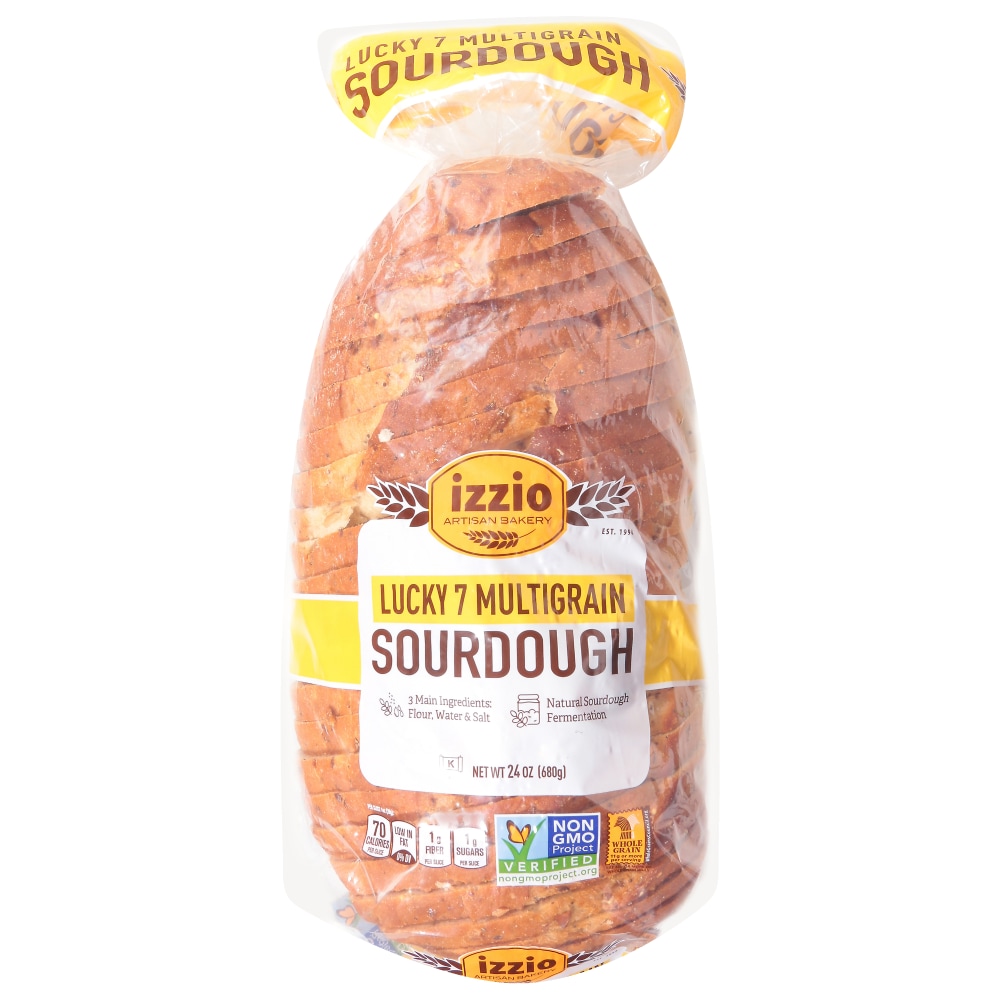
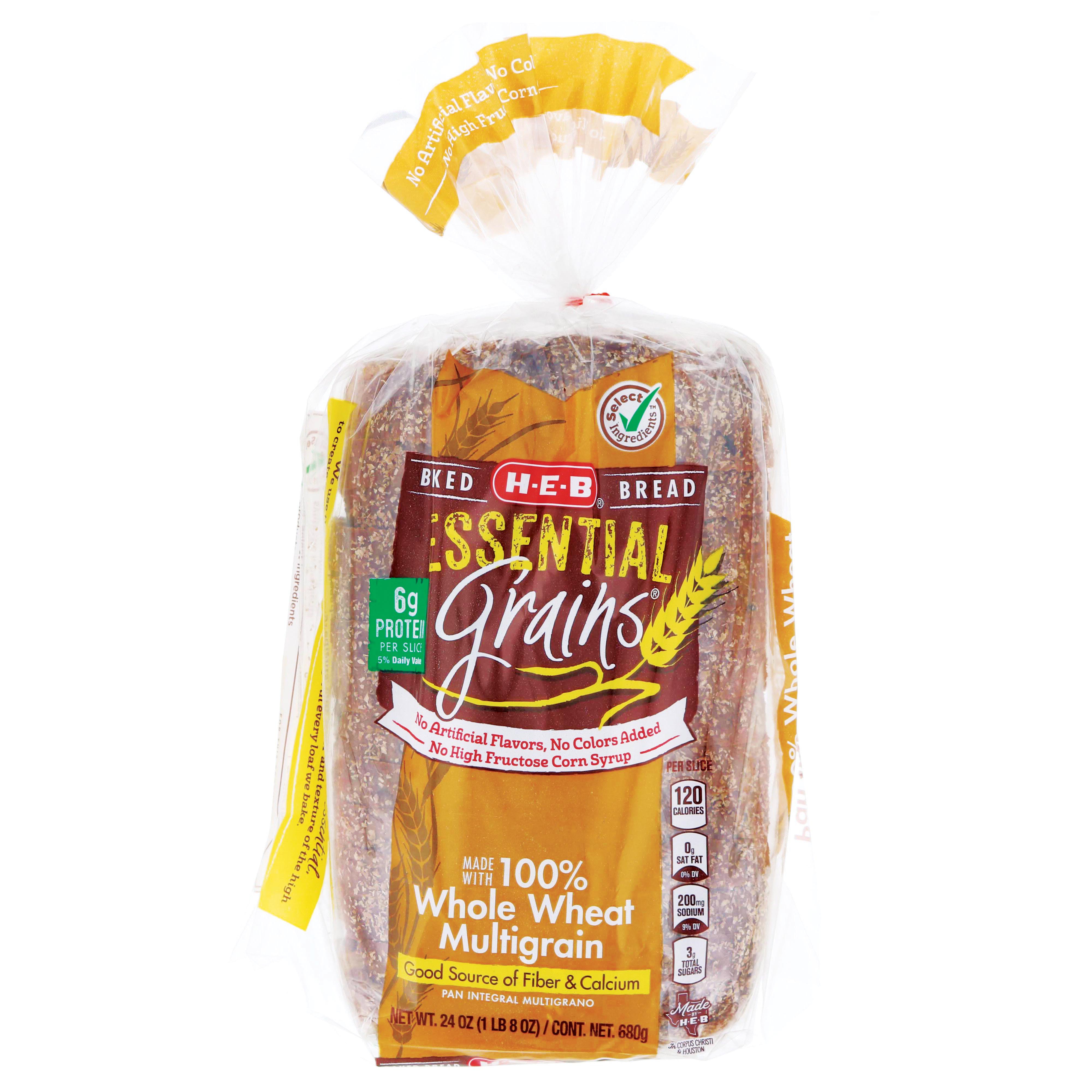
MULTIGRAIN BREAD

At a glance
Summary
This multigrain bread contains a variety of whole grains and seeds, which provide fiber, healthy fats, and essential nutrients, contributing positively to its nutritional profile. However, the presence of canola oil, a heavily processed seed oil, detracts from its overall healthiness. The bread is moderately processed, which limits its score despite the use of beneficial ingredients like whole grain fresh-milled wheat and flax seeds.
Key ingredients 19
Whole grain fresh-milled wheatVery Good
Whole grain fresh-milled wheat is a high-quality source of fiber and essential nutrients. It is minimally processed, retaining the bran and germ which provide vitamins and minerals. This ingredient supports digestive health and provides sustained energy.
Benefits
Rich in dietary fiber, vitamins, and minerals that support overall health and digestion.
OatsVery Good
Oats are a whole grain rich in soluble fiber, vitamins, and minerals. They support heart health and help regulate blood sugar levels. This ingredient adds nutritional value and a chewy texture.
Benefits
Rich in soluble fiber and nutrients, supporting heart health and blood sugar regulation.
Whole wheat flourGood
Whole wheat flour is a nutritious ingredient that retains the bran and germ, providing fiber and essential nutrients. It is less processed than refined flour, making it a healthier choice. This ingredient supports heart health and aids in digestion.
Benefits
Provides dietary fiber and essential nutrients that support heart health and digestion.
HoneyGood
Honey is a natural sweetener with antioxidant properties. It is less processed than refined sugars and can provide trace nutrients. This ingredient adds sweetness while offering some health benefits.
Risks
Excessive consumption can lead to increased calorie intake and potential blood sugar spikes.
Benefits
Contains antioxidants and trace nutrients, offering a healthier alternative to refined sugars.
Sesame seedsGood
Sesame seeds are a nutrient-dense ingredient rich in healthy fats, protein, and minerals. They provide a nutty flavor and are a good source of calcium and magnesium. This ingredient supports bone health and adds nutritional value.
Risks
Potential allergen for some individuals.
Benefits
Rich in healthy fats, protein, and minerals, supporting bone health and overall nutrition.
Sunflower seedsGood
Sunflower seeds are a nutritious ingredient rich in healthy fats, protein, and vitamin E. They provide a crunchy texture and are a good source of antioxidants. This ingredient supports heart health and adds nutritional value.
Risks
Potential allergen for some individuals.
Benefits
Rich in healthy fats, protein, and antioxidants, supporting heart health and overall nutrition.
Sea saltGood
Sea salt is a minimally processed source of sodium and trace minerals. It enhances flavor and provides essential electrolytes. This ingredient is a healthier alternative to refined table salt.
Risks
Excessive consumption can lead to high sodium intake, affecting blood pressure.
Benefits
Provides essential electrolytes and trace minerals, enhancing flavor and nutritional value.
Flax seedGood
Flax seed is a nutrient-rich ingredient high in omega-3 fatty acids, fiber, and lignans. It supports heart health and has anti-inflammatory properties. This ingredient adds nutritional value and aids in digestion.
Risks
May cause digestive discomfort if consumed in large amounts.
Benefits
Rich in omega-3 fatty acids and fiber, supporting heart health and digestion.
Cracked wheatGood
Cracked wheat is a whole grain ingredient that provides fiber and essential nutrients. It is minimally processed, retaining the bran and germ. This ingredient supports digestive health and provides sustained energy.
Benefits
Provides dietary fiber and essential nutrients, supporting digestive health and energy levels.
BarleyGood
Barley is a whole grain rich in fiber, vitamins, and minerals. It supports heart health and aids in digestion. This ingredient adds nutritional value and provides a chewy texture.
Risks
Contains gluten, which may not be suitable for individuals with gluten intolerance.
Benefits
Rich in fiber and nutrients, supporting heart health and digestion.
CornGood
Beneficial ingredient — whole-food or functional value in this product class.
Risks
May contribute to blood sugar spikes due to its carbohydrate content.
Benefits
Provides carbohydrates and some vitamins and minerals, though less beneficial than whole grains.
RyeGood
Rye is a whole grain that provides fiber and essential nutrients. It supports heart health and aids in digestion. This ingredient adds nutritional value and a distinct flavor to bread.
Risks
Contains gluten, which may not be suitable for individuals with gluten intolerance.
Benefits
Rich in fiber and nutrients, supporting heart health and digestion.
MilletGood
Millet is a whole grain that provides fiber, vitamins, and minerals. It is gluten-free and supports digestive health. This ingredient adds nutritional value and a mild flavor.
Benefits
Provides fiber and essential nutrients, supporting digestive health and offering a gluten-free option.
TriticaleGood
Triticale is a hybrid grain that combines the qualities of wheat and rye. It provides fiber, protein, and essential nutrients. This ingredient supports heart health and adds nutritional value.
Risks
Contains gluten, which may not be suitable for individuals with gluten intolerance.
Benefits
Rich in fiber and protein, supporting heart health and providing essential nutrients.
Brown riceGood
Brown rice is a whole grain that provides fiber, vitamins, and minerals. It supports heart health and aids in digestion. This ingredient adds nutritional value and a nutty flavor.
Benefits
Rich in fiber and nutrients, supporting heart health and digestion.
Unbleached wheat flourNeutral
Unbleached wheat flour is a less processed form of flour that retains more nutrients than bleached flour. It is used to improve texture and structure in baked goods. While it is a better option than bleached flour, it is still refined and lacks the fiber of whole grain options.
Risks
May contribute to blood sugar spikes due to its refined nature.
Benefits
Provides a better nutrient profile than bleached flour, though still lacks the fiber of whole grains.
Vital wheat glutenNeutral
Vital wheat gluten is used to improve the elasticity and texture of bread. It is a concentrated protein derived from wheat. While it enhances bread quality, it may pose issues for those with gluten sensitivities.
Risks
Not suitable for individuals with gluten intolerance or celiac disease.
Benefits
Improves bread texture and protein content, enhancing the overall quality of baked goods.
Fresh yeastNeutral
Fresh yeast is used as a leavening agent in bread, contributing to texture and flavor. It is a natural ingredient that aids in fermentation. While it is essential for bread making, it does not provide significant nutritional benefits.
Benefits
Essential for bread fermentation, contributing to texture and flavor.
Non-gmo canola oilVery Bad
Canola oil is a seed oil high in omega-6 fatty acids, which can promote inflammation when consumed in excess. It is heavily processed and refined, which may reduce its nutritional quality. Despite being non-GMO, it is still considered a less healthy fat option.
Risks
High omega-6 content may promote inflammation when consumed in excess.
Processing
Processed Foods
Get the full breakdown in the Scout appTake Scout shopping
Scan any product to see lab results, healthy alternatives, and your personalized analysis.
Are you Beckmann's? Fix an error Get the badge Get tested