
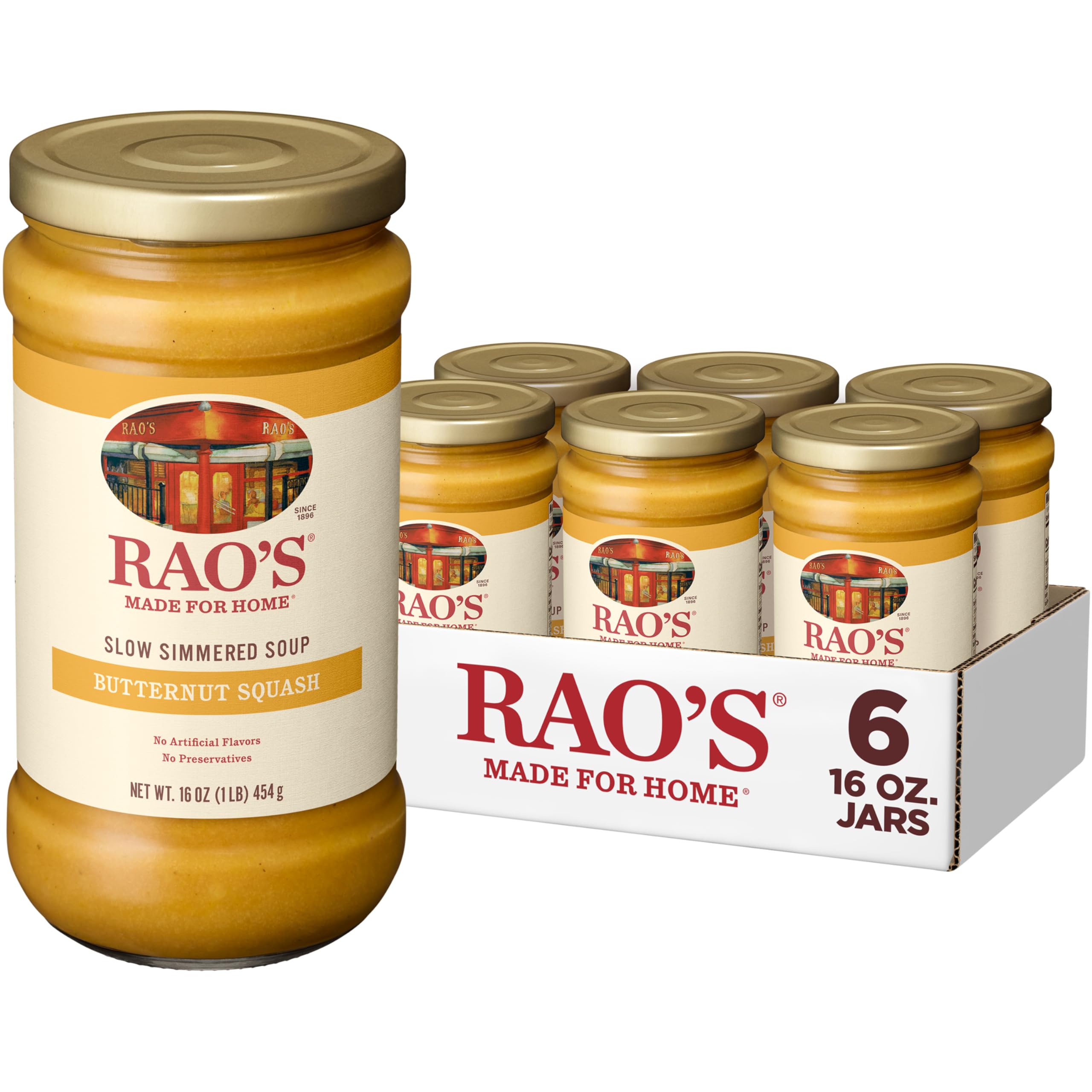
Butternut Squash
At a glance
Summary
This product contains a variety of nutrient-rich ingredients like butternut squash, carrots, and olive oil, which contribute positively to its nutritional profile. However, the presence of refined sugars, modified food starch, and natural flavors indicates a moderate level of processing and detracts from its overall healthiness. While the product is processed, it maintains some beneficial components, but the inclusion of these processed ingredients limits its score.
Key ingredients 25
Butternut SquashVery Good
Butternut squash is a nutrient-dense vegetable rich in vitamins A and C. It provides dietary fiber and antioxidants, supporting immune function and digestive health. Its natural sweetness adds flavor without added sugars.
Benefits
Rich in vitamins A and C, supporting vision and immune health. Provides dietary fiber, aiding in digestion.
CarrotsVery Good
Carrots are a root vegetable rich in beta-carotene, fiber, and antioxidants. They support eye health and provide a natural sweetness to dishes. Their high fiber content aids in digestion.
Benefits
Rich in beta-carotene, supporting eye health. Provides dietary fiber, aiding in digestion.
Olive OilVery Good
Olive oil is a healthy fat rich in monounsaturated fats and antioxidants. It supports heart health and has anti-inflammatory properties. Cold-pressed extraction preserves beneficial compounds.
Benefits
Rich in monounsaturated fats and antioxidants, supporting heart health and reducing inflammation.
CreamGood
Traditional whole-fat dairy ingredient.
Risks
High in saturated fats, which may contribute to heart disease if consumed in excess.
Benefits
Adds richness and flavor to dishes and can provide fat-soluble vitamins if sourced from quality dairy.
OnionsGood
Onions are a flavorful vegetable that contains antioxidants and sulfur compounds. They may support heart health and have anti-inflammatory properties. Onions add depth of flavor to dishes.
Benefits
Contains antioxidants and sulfur compounds that may support heart health and have anti-inflammatory effects.
CeleryGood
Celery is a low-calorie vegetable that provides fiber and vitamins. It is known for its hydrating properties due to high water content. Celery adds a crisp texture and mild flavor to dishes.
Benefits
Provides dietary fiber and vitamins, supporting digestion and hydration.
GarlicGood
Garlic is a flavorful herb known for its potential health benefits, including heart health support. It contains allicin, which has antimicrobial properties. Garlic enhances the flavor profile of dishes.
Benefits
Contains allicin, which may support heart health and has antimicrobial properties.
Carrot PowderGood
Carrot powder is made from dehydrated carrots and retains many of their nutrients. It provides beta-carotene and fiber, supporting eye health and digestion. It is a convenient way to add carrot flavor and nutrients.
Benefits
Provides beta-carotene and fiber, supporting eye health and digestion.
SpicesGood
Spices are used to enhance flavor and can provide antioxidants and anti-inflammatory compounds. They add depth and complexity to dishes. The specific health benefits depend on the types of spices used.
Benefits
Provides antioxidants and anti-inflammatory compounds, enhancing flavor and health benefits.
TurmericGood
Turmeric is a spice known for its anti-inflammatory and antioxidant properties. It contains curcumin, which may support joint health and reduce inflammation. It adds a warm, earthy flavor to dishes.
Benefits
Contains curcumin, which may support joint health and reduce inflammation.
PaprikaGood
Paprika is a spice made from ground peppers, providing flavor and color. It contains antioxidants and vitamins A and E. It enhances the visual appeal and taste of dishes.
Benefits
Contains antioxidants and vitamins A and E, supporting health and enhancing flavor.
Lemon JuiceGood
Lemon juice is a natural source of vitamin C and adds acidity to dishes. It can enhance flavor and preserve freshness. It is a versatile ingredient used in cooking and beverages.
Benefits
Rich in vitamin C, supporting immune health and enhancing flavor.
Chicken BrothNeutral
Chicken broth is a common base for soups and provides flavor. It is typically made by simmering chicken bones and vegetables, which can add some nutrients. However, the nutritional content can vary widely depending on preparation.
Risks
May contain high sodium levels depending on preparation.
Benefits
Can provide some minerals and amino acids depending on the preparation method.
Skim MilkNeutral
Skim milk is a low-fat dairy product that provides protein and calcium. It is processed to remove most of the fat content, making it lower in calories. It retains essential nutrients like calcium and vitamin D.
Benefits
Provides protein and calcium, supporting bone health. Lower in calories compared to whole milk.
SaltNeutral
Salt is a common seasoning that enhances flavor. It is essential for various bodily functions but should be consumed in moderation. Excessive intake can lead to health issues like hypertension.
Risks
Excessive intake can lead to hypertension and other cardiovascular issues.
Benefits
Essential for various bodily functions, including fluid balance and nerve transmission.
Parmesan CheeseNeutral
Parmesan cheese is a hard cheese that adds flavor and protein to dishes. It is aged and contains beneficial bacteria. However, it is high in sodium and saturated fats.
Risks
High in sodium and saturated fats, which may contribute to heart disease if consumed in excess.
Benefits
Provides protein and calcium, supporting bone health.
Roast ExtractNeutral
Roast extract is used to enhance flavor in foods. It is typically derived from roasted ingredients and adds depth to the taste profile. The nutritional impact is minimal.
Benefits
Enhances flavor without significant nutritional impact.
Chicken FatNeutral
Chicken fat is used for flavor and richness in dishes. It is a source of saturated fats, which should be consumed in moderation. It can enhance the taste of soups and stews.
Risks
High in saturated fats, which may contribute to heart disease if consumed in excess.
Benefits
Adds flavor and richness to dishes.
Onion PowderNeutral
Onion powder is a dehydrated form of onion used for flavoring. It retains some of the nutrients and flavor of fresh onions. It is convenient for adding onion flavor without the need for fresh produce.
Benefits
Provides onion flavor and some nutrients in a convenient form.
WheyNeutral
Liquid whey as a minor dairy ingredient — benign.
Risks
May cause digestive issues in lactose-intolerant individuals.
Benefits
Rich in essential amino acids, supporting muscle growth and repair.
Fruit and Vegetable JuiceNeutral
Fruit and vegetable juice is used for natural coloring in foods. It provides minimal nutritional value in small quantities. It is a natural alternative to artificial colorings.
Benefits
Provides natural coloring without artificial additives.
SugarBad
Sugar is a refined carbohydrate that provides quick energy but lacks nutritional value. Excessive consumption can lead to weight gain and metabolic issues. It is often added to enhance sweetness.
Risks
Excessive consumption can lead to weight gain, metabolic issues, and dental problems.
Benefits
Provides quick energy but lacks significant nutritional benefits.
Modified Food StarchBad
Modified food starch is a processed ingredient used as a thickener. It is often derived from corn or other grains and lacks nutritional value. It is used to improve texture and stability in processed foods.
Risks
May cause digestive issues in sensitive individuals and lacks nutritional value.
Benefits
Improves texture and stability in processed foods.
Natural FlavorBad
Natural flavor is a catch-all term for flavoring agents derived from natural sources. It lacks transparency and can include a variety of additives. It is used to enhance taste without providing nutritional benefits.
Risks
Lacks transparency and may include a variety of additives.
Benefits
Enhances taste without providing nutritional benefits.
Brown SugarBad
Brown sugar is a refined sugar with molasses added for flavor. It provides quick energy but lacks significant nutritional value. Excessive consumption can lead to health issues similar to other refined sugars.
Risks
Excessive consumption can lead to weight gain, metabolic issues, and dental problems.
Benefits
Provides quick energy but lacks significant nutritional benefits.
Processing
Processed Foods
Get the full breakdown in the Scout appTake Scout shopping
Scan any product to see lab results, healthy alternatives, and your personalized analysis.
Are you Rao's? Fix an error Get the badge Get tested


