
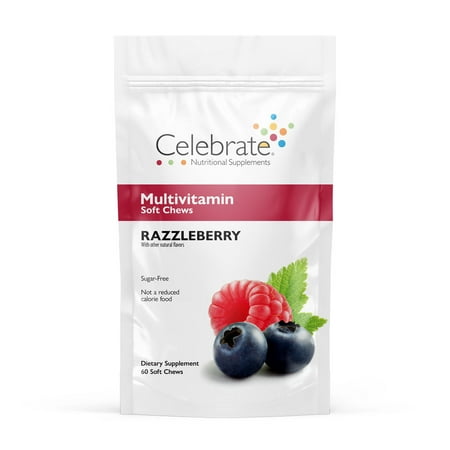

Celebrate Vitamins Bariatric Multivitamin Soft Chews Razzleberry 60 count
Analysis updated July 2026 · How Scout scores
At a glance
Summary
This multivitamin contains a range of essential vitamins and minerals in bioavailable forms, which are beneficial for overall health. However, the presence of maltitol syrup and sucralose as sweeteners, along with palm oil and natural flavors, introduces concerns due to their potential digestive effects and lack of transparency. The product's formulation includes several additives, which slightly detract from its overall healthfulness.
Key ingredients 30
Vitamin AVery Good
Vitamin A is essential for vision, immune function, and skin health. It is provided in the forms of retinyl palmitate and beta carotene, ensuring both immediate and stored availability. Its inclusion supports overall health and wellness.
Risks
Excessive intake may lead to toxicity, particularly from retinyl palmitate.
Benefits
Supports vision, immune function, and skin health.
Vitamin CVery Good
Vitamin C is a powerful antioxidant that supports immune function and skin health. As ascorbic acid, it is well-absorbed and effective in promoting collagen synthesis. Its inclusion is vital for overall health maintenance.
Risks
High doses may cause gastrointestinal discomfort.
Benefits
Boosts immune function and promotes collagen synthesis.
Vitamin DVery Good
Vitamin D is crucial for bone health and immune function. Provided as cholecalciferol, it is the most effective form for raising blood levels. Its inclusion is essential for maintaining healthy bones and supporting immune health.
Risks
Excessive intake may lead to toxicity, causing hypercalcemia.
Benefits
Supports bone health and immune function.
Vitamin EVery Good
Vitamin E is an antioxidant that protects cells from oxidative damage. As d-alpha tocopheryl acetate, it is a natural and effective form. Its inclusion supports skin health and immune function.
Risks
High doses may interfere with blood clotting.
Benefits
Protects cells from oxidative damage and supports skin health.
Vitamin KVery Good
Vitamin K is essential for blood clotting and bone health. Provided as phytonadione, it is effective in supporting these functions. Its inclusion is crucial for maintaining healthy bones and proper blood coagulation.
Risks
May interact with anticoagulant medications.
Benefits
Supports blood clotting and bone health.
ThiaminVery Good
Thiamin, or vitamin B1, is essential for energy metabolism and nerve function. As thiamine mononitrate, it is stable and effective. Its inclusion supports energy production and neurological health.
Benefits
Supports energy metabolism and nerve function.
Vitamin B6Very Good
Vitamin B6 is essential for amino acid metabolism and neurotransmitter synthesis. As pyridoxine hydrochloride, it is well-absorbed and effective. Its inclusion supports brain health and metabolic processes.
Risks
Excessive intake may cause nerve damage.
Benefits
Supports amino acid metabolism and brain health.
FolateVery Good
Folate is vital for DNA synthesis and cell division. As folic acid, it is a stable and effective form. Its inclusion is crucial for prenatal health and cellular function.
Risks
High doses may mask vitamin B12 deficiency.
Benefits
Supports DNA synthesis and cell division.
Pantothenic AcidVery Good
Pantothenic acid, or vitamin B5, is crucial for synthesizing coenzyme A and energy production. As calcium D-pantothenate, it is stable and effective. Its inclusion supports metabolic health and energy levels.
Benefits
Supports energy production and metabolic health.
IodineVery Good
Iodine is essential for thyroid function and hormone production. As potassium iodide, it is well-absorbed and effective. Its inclusion supports metabolic rate and energy regulation.
Risks
Excessive intake may lead to thyroid dysfunction.
Benefits
Supports thyroid function and hormone production.
SeleniumVery Good
Selenium is an antioxidant that supports immune function and thyroid health. As selenomethionine, it is well-absorbed and effective. Its inclusion aids in protecting cells from oxidative damage.
Risks
Excessive intake may lead to selenium toxicity, causing hair loss and nail brittleness.
Benefits
Supports immune function and protects cells from oxidative damage.
CopperVery Good
Copper is essential for iron metabolism and neurological function. As copper chelate, it is well-absorbed and effective. Its inclusion supports cardiovascular health and energy production.
Risks
Excessive intake may lead to copper toxicity, causing liver damage.
Benefits
Supports iron metabolism and neurological function.
ChromiumVery Good
Chromium is important for macronutrient metabolism and blood sugar regulation. As chromium polynicotinate, it is well-absorbed and effective. Its inclusion supports metabolic health and glucose control.
Benefits
Supports macronutrient metabolism and blood sugar regulation.
MolybdenumVery Good
Molybdenum is essential for enzyme function and detoxification processes. As sodium molybdate, it is well-absorbed and effective. Its inclusion supports metabolic processes and detoxification.
Benefits
Supports enzyme function and detoxification processes.
Fruit And Vegetable JuiceGood
Fruit and vegetable juice is used for natural coloring and flavoring, providing a source of antioxidants and vitamins. It is minimally processed and contributes to the nutritional profile of the product. Its natural origin makes it a preferable choice over artificial colors.
Benefits
Provides natural color and flavor, along with antioxidants and vitamins.
Sea SaltGood
Beneficial ingredient — whole-food or functional value in this product class.
Risks
Excessive consumption may contribute to high blood pressure.
Benefits
Enhances flavor and provides trace minerals.
RiboflavinGood
Riboflavin, or vitamin B2, is important for energy production and cellular function. It is well-absorbed and supports overall health. Its inclusion aids in maintaining energy levels and cellular health.
Benefits
Supports energy production and cellular function.
NiacinGood
Niacin, or vitamin B3, is crucial for energy metabolism and DNA repair. As niacinamide, it is effective and less likely to cause flushing. Its inclusion supports metabolic health and skin function.
Risks
High doses may cause liver damage and gastrointestinal issues.
Benefits
Supports energy metabolism and DNA repair.
Vitamin B12Good
Vitamin B12 is essential for nerve function and red blood cell formation. Provided as cyanocobalamin and methylcobalamin, it ensures effective absorption and utilization. Its inclusion supports neurological health and energy production.
Benefits
Supports nerve function and red blood cell formation.
BiotinGood
Biotin is important for carbohydrate, fat, and protein metabolism. It supports healthy hair, skin, and nails. Its inclusion aids in maintaining metabolic health and physical appearance.
Benefits
Supports metabolism and healthy hair, skin, and nails.
MagnesiumGood
Magnesium is vital for muscle and nerve function, as well as bone health. As magnesium citrate, it is well-absorbed and effective. Its inclusion supports overall health and wellness.
Risks
Excessive intake may cause diarrhea and gastrointestinal discomfort.
Benefits
Supports muscle, nerve function, and bone health.
ZincGood
Zinc is crucial for immune function and wound healing. As zinc citrate, it is well-absorbed and effective. Its inclusion supports immune health and skin repair.
Risks
Excessive intake may cause nausea and interfere with copper absorption.
Benefits
Supports immune function and wound healing.
Mono And DiglyceridesNeutral
Mono and diglycerides are emulsifiers used to improve texture and shelf life in processed foods. They are derived from fats and are generally considered safe. However, they do not provide significant nutritional benefits.
Benefits
Improves texture and stability of food products.
Citric AcidNeutral
Citric acid is a natural preservative and flavor enhancer commonly used in food products. It is generally recognized as safe and helps maintain freshness. While it has no direct nutritional benefits, it supports product stability.
Benefits
Acts as a preservative and enhances flavor.
SodiumNeutral
Sodium is an essential electrolyte important for fluid balance and nerve function. It is necessary for maintaining hydration and proper cellular function. While essential, it should be consumed in moderation to avoid health issues.
Risks
Excessive intake may contribute to high blood pressure.
Benefits
Supports fluid balance and nerve function.
Maltitol SyrupBad
Maltitol syrup is a sugar alcohol used as a sweetener, which can cause digestive issues in some individuals. It is less caloric than sugar but can lead to gastrointestinal discomfort. Its use in moderation is generally safe, but excessive consumption may lead to laxative effects.
Risks
May cause digestive discomfort and laxative effects when consumed in large amounts.
Benefits
Provides sweetness with fewer calories than sugar.
Palm OilBad
Palm oil is a common ingredient in processed foods, often criticized for its environmental impact and high saturated fat content. It is refined and lacks significant nutritional benefits. While it provides a stable cooking fat, its health benefits are limited compared to other oils.
Risks
High in saturated fats, which may contribute to heart disease if consumed in excess.
Benefits
Provides a stable fat source for cooking and food processing.
Natural FlavorBad
Natural flavors are often used to enhance taste but lack transparency regarding their specific composition. They are highly processed and can contain a variety of chemical compounds. While generally recognized as safe, they offer no nutritional benefits.
Risks
Lack of transparency in composition may pose allergy risks for sensitive individuals.
Benefits
Enhances the flavor profile of food products.
Sunflower LecithinBad
Sunflower lecithin is an emulsifier used to improve texture and mixability in food products. It is derived from sunflower seeds and is less processed than soy lecithin. While it is generally safe, it offers no significant nutritional benefits.
Benefits
Improves texture and mixability of food products.
SucraloseBad
Sucralose is an artificial sweetener used to provide sweetness without calories. It is highly processed and may affect gut health in some individuals. While it is calorie-free, its long-term health effects are still under study.
Risks
May affect gut microbiota and cause digestive issues in some individuals.
Benefits
Provides sweetness without adding calories.
Processing
Processed Foods
Get the full breakdown in the Scout appTake Scout shopping
Scan any product to see lab results, healthy alternatives, and your personalized analysis.
Download on theApp Store GET IT ONGoogle PlayAmazon pricing & content
Amazon price as of . Product prices and availability are accurate as of the date/time indicated and are subject to change. Any price and availability information displayed on Amazon.com at the time of purchase will apply to the purchase of this product.
CERTAIN CONTENT THAT APPEARS ON THIS SITE COMES FROM AMAZON. THIS CONTENT IS PROVIDED “AS IS” AND IS SUBJECT TO CHANGE OR REMOVAL AT ANY TIME.