
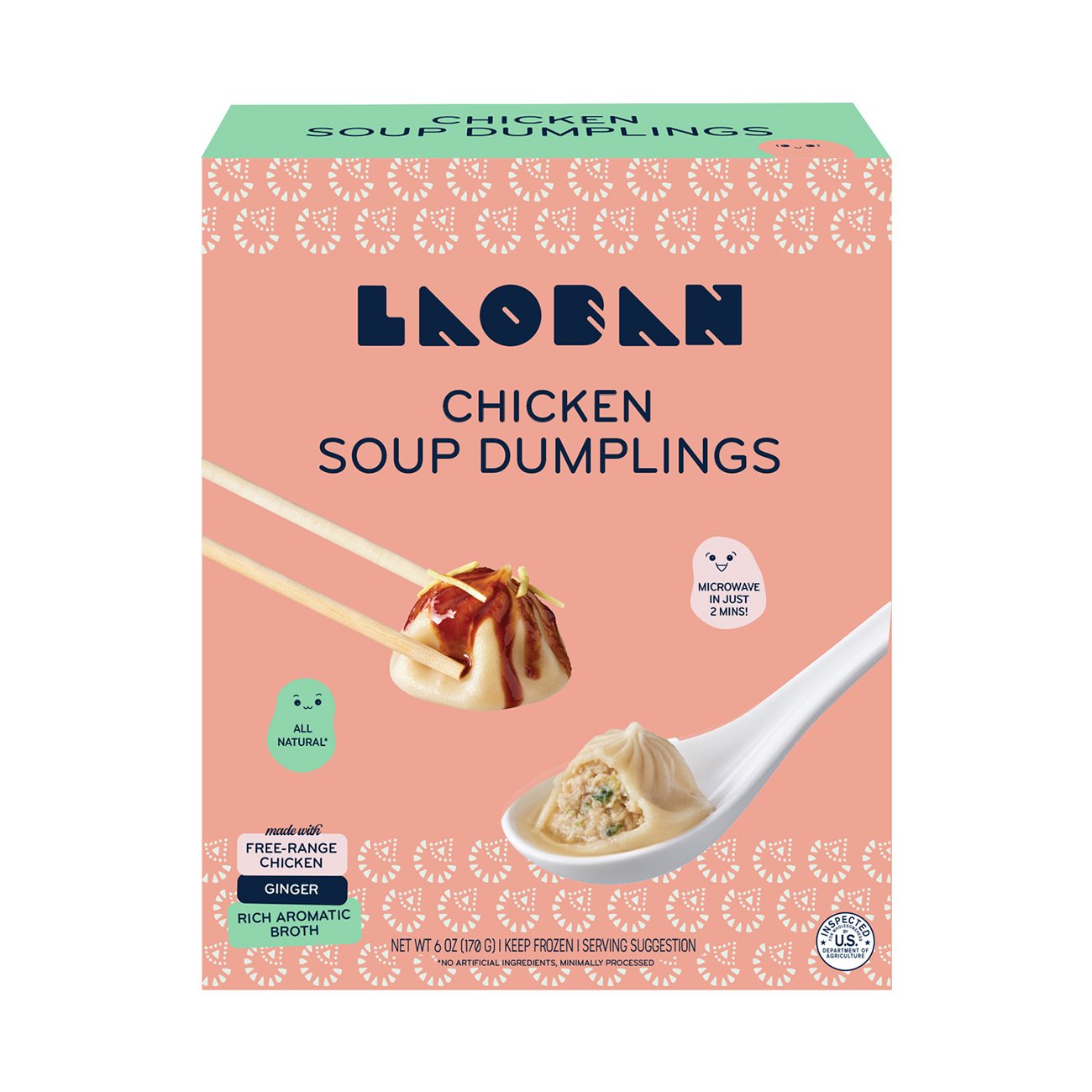
CHICKEN SOUP DUMPLINGS
At a glance
Summary
This product contains beneficial ingredients like free-range chicken, cabbage, and ginger, which provide quality protein and nutrients. However, the presence of canola and soybean oils, which are high in omega-6 fatty acids and often highly processed, detracts from its healthiness. The product's processing level also limits its score, as it includes multiple processed ingredients such as starches and oils.
Key ingredients 17
Free Range ChickenVery Good
Free range chicken is a high-quality protein source with a rich amino acid profile. It is raised in more humane conditions, which can lead to better nutritional quality. Compared to conventionally raised chicken, it may contain higher levels of omega-3 fatty acids.
Benefits
Provides essential amino acids and is a good source of vitamins and minerals such as B vitamins and selenium.
CabbageGood
Cabbage is a nutrient-dense vegetable rich in vitamins C and K. It contains antioxidants that may help reduce inflammation. As a cruciferous vegetable, it may support detoxification processes in the body.
Benefits
Rich in fiber and antioxidants, supporting digestive health and reducing inflammation.
ScallionsGood
Scallions are a low-calorie vegetable that adds flavor and nutrients. They are a source of vitamins A, C, and K, and contain antioxidants. Their mild flavor makes them a versatile ingredient in many dishes.
Benefits
Provides vitamins and antioxidants that support immune function and overall health.
GingerGood
Ginger is known for its anti-inflammatory and antioxidant properties. It can aid digestion and reduce nausea. Its bioactive compounds, such as gingerol, have been studied for their health benefits.
Benefits
May help reduce inflammation and support digestive health.
GarlicGood
Garlic is a flavorful herb with potential health benefits, including antimicrobial and cardiovascular support. It contains sulfur compounds that may enhance immune function. Regular consumption is associated with reduced risk of certain chronic diseases.
Benefits
Supports heart health and immune function due to its bioactive compounds.
Soy SauceNeutral
Soy sauce is a fermented condiment that adds umami flavor to dishes. It contains sodium, which can contribute to high blood pressure if consumed in excess. Fermentation may provide some beneficial compounds, but it is primarily used for flavor.
Risks
High sodium content can contribute to hypertension if consumed in large amounts.
Benefits
Adds flavor and may contain some beneficial compounds from fermentation.
HoneyNeutral
Honey is a natural sweetener that provides some antioxidants and trace nutrients. It is a source of simple sugars, which can impact blood sugar levels. Compared to refined sugar, it may offer minor health benefits due to its antioxidant content.
Risks
High sugar content can affect blood sugar levels and contribute to weight gain if consumed in excess.
Benefits
Contains antioxidants and trace nutrients that may offer minor health benefits.
SaltNeutral
Salt is a common seasoning that enhances flavor but can contribute to high blood pressure if consumed in excess. It is essential for fluid balance and nerve function. The type of salt used is not specified, so it is considered neutral.
Risks
Excessive consumption can lead to hypertension and cardiovascular issues.
Benefits
Essential for maintaining fluid balance and nerve function.
Chinkiang VinegarNeutral
Chinkiang vinegar is a type of black vinegar used for its distinct flavor. It is made from fermented rice and may contain some beneficial compounds from fermentation. Primarily used for flavor, it does not provide significant nutritional benefits.
Benefits
May contain beneficial compounds from fermentation, but primarily used for flavor.
SpicesNeutral
Spices add flavor and may provide antioxidants and other beneficial compounds. The specific spices are not listed, so their health impact cannot be precisely determined. Generally, spices can enhance the nutritional profile of a dish.
Benefits
May provide antioxidants and enhance the flavor profile of the dish.
Wheat FlourNeutral
Wheat flour is a common ingredient in many baked goods and provides carbohydrates. It is a refined grain, which means it lacks some nutrients found in whole grains. It is primarily used for texture and structure in recipes.
Risks
May contribute to blood sugar spikes and lacks fiber compared to whole grains.
Benefits
Provides carbohydrates for energy but lacks significant nutritional benefits.
WaterNeutral
Water is essential for hydration and is used as a solvent in many recipes. It does not provide calories or nutrients but is crucial for maintaining bodily functions. In this context, it is used to adjust consistency and texture.
Benefits
Essential for hydration and maintaining bodily functions.
Potato StarchNeutral
Potato starch is used as a thickening agent and provides a gluten-free alternative to wheat flour. It is a refined carbohydrate with limited nutritional value. Primarily used for texture, it does not offer significant health benefits.
Benefits
Provides a gluten-free thickening option but lacks significant nutritional benefits.
Tapioca StarchNeutral
Tapioca starch is a gluten-free thickening agent derived from cassava root. It is a refined carbohydrate with minimal nutritional value. Used primarily for texture, it does not provide significant health benefits.
Benefits
Offers a gluten-free alternative for thickening but lacks significant nutritional benefits.
Wheat GlutenNeutral
Wheat gluten is a protein found in wheat that provides elasticity and structure in baked goods. It is not suitable for individuals with gluten intolerance or celiac disease. While it adds protein, it may cause digestive issues in sensitive individuals.
Risks
May cause digestive issues in individuals with gluten intolerance or celiac disease.
Benefits
Provides protein and improves texture in baked goods.
Canola OilVery Bad
Canola oil is a seed oil high in omega-6 fatty acids, which can promote inflammation when consumed in excess. It is often highly processed and refined, which may reduce its nutritional quality. Compared to healthier oils like olive oil, it lacks beneficial monounsaturated fats.
Risks
High omega-6 content may promote inflammation when consumed in excess.
Soybean OilVery Bad
Soybean oil is a seed oil that is high in omega-6 fatty acids, which can contribute to inflammation. It is typically highly processed, which may involve chemical solvents. Compared to oils like olive oil, it lacks beneficial monounsaturated fats.
Risks
High omega-6 content may promote inflammation when consumed in excess.
Processing
Processed Foods
Get the full breakdown in the Scout appTake Scout shopping
Scan any product to see lab results, healthy alternatives, and your personalized analysis.
Are you Laoban? Fix an error Get the badge Get tested


