



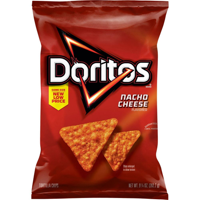

Doritos Flamas Tortilla Chips
At a glance
Summary
This product is highly processed and contains multiple harmful ingredients, including industrial seed oils, artificial colors, and flavor enhancers like MSG. The presence of artificial dyes and maltodextrin further contributes to its low nutritional value and potential health risks. The combination of these factors, along with its ultra-processed nature, results in a very low health score.
Key ingredients 23
Vegetable OilVery Bad
Vegetable oil (corn, canola, and/or sunflower oil) is high in omega-6 fatty acids, which can promote inflammation. These oils are highly processed and often extracted using chemical solvents. They are considered unhealthy due to their high omega-6 content and processing methods.
Risks
High omega-6 content may promote inflammation when consumed in excess.
Artificial ColorVery Bad
Artificial colors such as Red 40 Lake and Yellow 6 Lake are synthetic dyes derived from petroleum. They are used to enhance the visual appeal of foods. These dyes have been linked to hyperactivity in children and other health concerns.
Risks
Linked to hyperactivity in children and potential allergic reactions.
MaltodextrinBad
Maltodextrin is a highly processed carbohydrate derived from corn. It has a high glycemic index and can cause spikes in blood sugar levels. It is often used as a filler or thickener in processed foods.
Risks
May cause spikes in blood sugar levels and contribute to insulin resistance.
SugarBad
Refined sugar is a simple carbohydrate that can contribute to weight gain and metabolic issues. It is often added to processed foods to enhance sweetness. Excessive consumption is linked to various health problems.
Risks
Excessive sugar intake is linked to obesity, diabetes, and heart disease.
Monosodium GlutamateBad
Monosodium glutamate (MSG) is a flavor enhancer that can cause adverse reactions in sensitive individuals. It is commonly used in processed foods to enhance umami flavor. Some people report headaches and other symptoms after consuming MSG.
Risks
May cause headaches and other symptoms in sensitive individuals.
Benefits
Enhances umami flavor in foods but has no nutritional benefits.
Hydrolyzed Corn ProteinBad
Hydrolyzed corn protein is a processed ingredient used to enhance flavor. It can contain free glutamates similar to MSG. It is often used in processed foods and may cause adverse reactions in sensitive individuals.
Risks
May cause adverse reactions similar to MSG in sensitive individuals.
Benefits
Enhances flavor but has no significant nutritional benefits.
Yeast ExtractBad
Concentrated glutamate source — MSG-adjacent flavor enhancer.
Risks
May cause reactions in individuals sensitive to glutamates.
Benefits
Enhances umami flavor in foods but has no significant nutritional benefits.
Natural FlavorBad
Natural flavors are a catch-all term for flavoring agents derived from natural sources. They are often used to enhance flavor in processed foods. The lack of transparency about their composition can be concerning.
Risks
Lack of transparency about composition may pose concerns for individuals with allergies or sensitivities.
Benefits
Enhances flavor but has no significant nutritional benefits.
Corn Syrup SolidsBad
Corn syrup solids are a form of sugar derived from corn. They are used as a sweetener and can contribute to weight gain and metabolic issues. Excessive consumption is linked to various health problems.
Risks
Linked to obesity, diabetes, and heart disease when consumed in excess.
Disodium InosinateBad
Disodium inosinate is a flavor enhancer often used in conjunction with MSG. It is derived from nucleotides and can enhance umami flavor. It may cause adverse reactions in sensitive individuals.
Risks
May cause adverse reactions in sensitive individuals, especially when combined with MSG.
Benefits
Enhances umami flavor but has no significant nutritional benefits.
Disodium GuanylateBad
Disodium guanylate is a flavor enhancer often used with MSG to enhance umami flavor. It is derived from nucleotides and can cause adverse reactions in sensitive individuals. It is commonly used in processed foods.
Risks
May cause adverse reactions in sensitive individuals, especially when combined with MSG.
Benefits
Enhances umami flavor but has no significant nutritional benefits.
SaltNeutral
Salt is used to enhance flavor and preserve food. It is a common ingredient in processed foods. Excessive consumption can lead to health issues such as hypertension.
Risks
Excessive salt intake can lead to hypertension and cardiovascular issues.
Benefits
Provides essential sodium for bodily functions but should be consumed in moderation.
Citric AcidNeutral
Citric acid is a natural preservative and flavor enhancer. It is commonly used in food products to add acidity and preserve freshness. It is generally recognized as safe when consumed in typical amounts.
Benefits
Helps preserve freshness and enhance flavor in food products.
Sodium DiacetateNeutral
Sodium diacetate is a salt of acetic acid used as a preservative and flavoring agent. It helps to inhibit microbial growth and enhance flavor. It is generally recognized as safe when used in food products.
Benefits
Helps preserve food and enhance flavor.
Modified Corn StarchNeutral
Modified corn starch is used as a thickener and stabilizer in processed foods. It is derived from corn and is highly processed. It is generally recognized as safe but offers no significant nutritional benefits.
Benefits
Provides texture and stability in food products but has no nutritional benefits.
Onion PowderNeutral
Onion powder is a dehydrated form of onion used to add flavor. It retains some of the nutritional properties of fresh onions. It is generally considered safe and adds flavor without significant health risks.
Benefits
Adds flavor and some nutritional properties of fresh onions.
WheyNeutral
Whey is a byproduct of cheese production and is a source of protein. It is often used in processed foods to enhance nutritional content. While it provides protein, it is not a significant source of other nutrients in this context.
Benefits
Provides protein, which is essential for muscle maintenance and repair.
Romano CheeseNeutral
Romano cheese provides protein and calcium but is high in saturated fat and sodium. It is a common ingredient in flavored snacks. While it offers some nutritional benefits, it should be consumed in moderation.
Risks
High in saturated fat and sodium, which can contribute to cardiovascular issues if consumed in excess.
Benefits
Provides protein and calcium, contributing to bone health.
ButtermilkNeutral
Buttermilk is a fermented dairy product that provides some protein and calcium. It is used in processed foods for flavor and texture. While it offers some nutritional benefits, it is not a significant source of nutrients in this context.
Benefits
Provides some protein and calcium, contributing to bone health.
CornGood
Beneficial ingredient — whole-food or functional value in this product class.
Risks
Corn may contain pesticide residues and lacks essential nutrients found in whole grains.
Benefits
Provides carbohydrates for energy but lacks significant nutritional benefits.
Cheddar CheeseGood
Beneficial ingredient — whole-food or functional value in this product class.
Risks
High in saturated fat and sodium, which can contribute to cardiovascular issues if consumed in excess.
Benefits
Provides protein and calcium, contributing to bone health.
Garlic PowderGood
Concentrated whole-food seasoning.
Benefits
Adds flavor and some nutritional properties of fresh garlic.
Whey Protein ConcentrateGood
Beneficial ingredient — whole-food or functional value in this product class.
Benefits
Provides protein, which is essential for muscle maintenance and repair.
Processing
Ultra-Processed Foods
Get the full breakdown in the Scout appTake Scout shopping
Scan any product to see lab results, healthy alternatives, and your personalized analysis.
Download on theApp Store GET IT ONGoogle PlayAmazon pricing & content
Amazon price as of . Product prices and availability are accurate as of the date/time indicated and are subject to change. Any price and availability information displayed on Amazon.com at the time of purchase will apply to the purchase of this product.
CERTAIN CONTENT THAT APPEARS ON THIS SITE COMES FROM AMAZON. THIS CONTENT IS PROVIDED “AS IS” AND IS SUBJECT TO CHANGE OR REMOVAL AT ANY TIME.