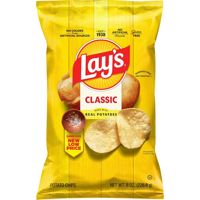
Lay's Baked BarBeQue Potato Crisps 6.25 Ounce Plastic Bag
At a glance
Summary
Lay's Baked BBQ is standardized to its current formulation — dried potatoes baked with olive oil (the 2025 reformulation replaced corn oil) plus BBQ seasoning with sugar and maltodextrin; an ultra-processed potato crisp despite the cleaner oil. All pack sizes are standardized to this score.
Key ingredients 24
Corn OilVery Bad
Corn oil is a seed oil high in omega-6 fatty acids, which can promote inflammation when consumed excessively. It is extracted using high heat and chemicals, which may degrade its nutritional quality. Compared to healthier oils, it lacks beneficial monounsaturated fats.
Risks
High omega-6 content may promote inflammation when consumed in excess.
Soybean OilVery Bad
Soybean oil is a seed oil high in omega-6 fatty acids, which can promote inflammation when consumed excessively. It is extracted using high heat and chemicals, which may degrade its nutritional quality. Compared to healthier oils, it lacks beneficial monounsaturated fats.
Risks
High omega-6 content may promote inflammation when consumed in excess.
Sunflower OilVery Bad
Sunflower oil is a seed oil high in omega-6 fatty acids, which can promote inflammation when consumed excessively. It is extracted using high heat and chemicals, which may degrade its nutritional quality. Compared to healthier oils, it lacks beneficial monounsaturated fats.
Risks
High omega-6 content may promote inflammation when consumed in excess.
SugarBad
Refined sugar is a simple carbohydrate that can contribute to weight gain and metabolic issues when consumed in excess. It is highly processed and offers no essential nutrients. Excessive intake is linked to various health issues like obesity and diabetes.
Risks
May contribute to obesity, diabetes, and other metabolic disorders when consumed in excess.
Soy LecithinBad
Soy lecithin is an emulsifier derived from soybeans, often used to improve texture and shelf life. It is a processed ingredient and may contain traces of soy allergens. While it serves a functional purpose, it does not offer significant nutritional benefits.
Risks
May contain soy allergens and is a highly processed ingredient.
MaltodextrinBad
Maltodextrin is a highly processed carbohydrate used as a thickener and filler. It has a high glycemic index and can spike blood sugar levels. It is often used in processed foods for texture and bulk.
Risks
May cause rapid spikes in blood sugar levels.
DextroseBad
Dextrose is a simple sugar derived from corn, used to sweeten foods. It is rapidly absorbed and can contribute to blood sugar spikes. It is a refined carbohydrate with no essential nutrients.
Risks
May contribute to blood sugar spikes and related metabolic issues.
Brown SugarBad
Brown sugar is a refined sugar with molasses added for color and flavor. It is similar to white sugar in terms of nutritional impact and can contribute to health issues when consumed in excess. It offers minimal nutritional benefits beyond calories.
Risks
May contribute to obesity and metabolic disorders when consumed in excess.
FructoseBad
Fructose is a simple sugar that can contribute to metabolic issues when consumed in excess. It is often used in processed foods for sweetness. High intake is linked to insulin resistance and fatty liver disease.
Risks
May contribute to insulin resistance and fatty liver disease when consumed in excess.
Natural FlavorsBad
Natural flavors are a catch-all term for flavoring agents derived from natural sources. They are highly processed and can contain a variety of chemicals. The lack of transparency makes it difficult to assess their health impact.
Risks
May contain undisclosed chemicals and allergens.
Caramel ColorBad
Caramel color is a food coloring made by heating sugar, often used in processed foods. It is a highly processed ingredient and may contain contaminants like 4-MEI, which is a potential carcinogen. It is used for aesthetic purposes rather than nutritional value.
Risks
May contain contaminants like 4-MEI, which is a potential carcinogen.
Dried PotatoesNeutral
Dried potatoes are a processed form of potatoes used for convenience in snack foods. They retain some nutritional value but lack the freshness and full nutrient profile of whole potatoes. The drying process can reduce vitamin content.
Risks
Potential loss of nutrients during processing and may contain added preservatives.
Benefits
Provides carbohydrates and some fiber, contributing to energy supply.
Corn StarchNeutral
Corn starch is a refined carbohydrate used as a thickener and stabilizer in foods. It is highly processed and lacks significant nutritional value. It is primarily used for texture and consistency in food products.
Risks
May contribute to high glycemic load if consumed in large quantities.
SaltNeutral
Salt is used to enhance flavor and preserve food. It is a necessary nutrient but can contribute to high blood pressure if consumed in excess. The product uses refined salt, which lacks trace minerals found in unrefined salts.
Risks
Excessive consumption can lead to high blood pressure and cardiovascular issues.
Benefits
Provides essential sodium needed for various bodily functions.
Onion PowderNeutral
Onion powder is a dehydrated form of onion used for flavoring. It retains some of the flavor compounds of fresh onions but lacks the full nutritional profile. It is a convenient way to add onion flavor without moisture.
Benefits
Adds flavor without significant calories or fat.
MolassesNeutral
Molasses is a byproduct of sugar refining, containing some vitamins and minerals. It is used for flavor and color in foods. While it contains more nutrients than refined sugar, it is still high in sugar content.
Risks
High sugar content can contribute to metabolic issues if consumed in excess.
Benefits
Contains small amounts of minerals like iron and calcium.
Tomato PowderNeutral
Tomato powder is a dehydrated form of tomatoes used for flavoring. It retains some nutrients like lycopene but lacks the water content and full nutrient profile of fresh tomatoes. It is a convenient way to add tomato flavor.
Benefits
Contains lycopene, an antioxidant that may support heart health.
YeastNeutral
Yeast is used in food products for fermentation and flavor development. It can provide some B vitamins and minerals. In this context, it is likely used for flavor enhancement.
Benefits
May provide small amounts of B vitamins and minerals.
Acacia GumNeutral
Acacia gum is a natural gum used as a stabilizer and thickener in foods. It is derived from the sap of acacia trees and is generally considered safe. It is used to improve texture and shelf life.
Benefits
May provide some dietary fiber.
Paprika ExtractsNeutral
Paprika extracts are used for coloring and flavoring, derived from paprika. They contain some antioxidants but are used in small amounts. They are primarily used for their color-enhancing properties.
Benefits
May provide antioxidants and enhance color.
Annatto ExtractsNeutral
Annatto extracts are natural colorants derived from the seeds of the achiote tree. They are used to impart a yellow to orange color in foods. They are generally considered safe and have been used traditionally in various cuisines.
Benefits
Provides natural coloring without synthetic additives.
SpicesGood
Whole-food seasonings, antioxidant-bearing.
Benefits
May provide antioxidants and enhance flavor without adding calories.
Garlic PowderGood
Concentrated whole-food seasoning.
Benefits
May provide some antioxidant benefits and enhance flavor.
PaprikaGood
Beneficial ingredient — whole-food or functional value in this product class.
Benefits
May provide antioxidants and enhance flavor.
Processing
Ultra-Processed Foods
Get the full breakdown in the Scout appTake Scout shopping
Scan any product to see lab results, healthy alternatives, and your personalized analysis.
Are you Lay's? Fix an error Get the badge Get tested
Amazon pricing & content
CERTAIN CONTENT THAT APPEARS ON THIS SITE COMES FROM AMAZON. THIS CONTENT IS PROVIDED “AS IS” AND IS SUBJECT TO CHANGE OR REMOVAL AT ANY TIME.