



Near you
Great Value is carried at Walmart stores. Find one within 25 miles.
At a glance
Summary
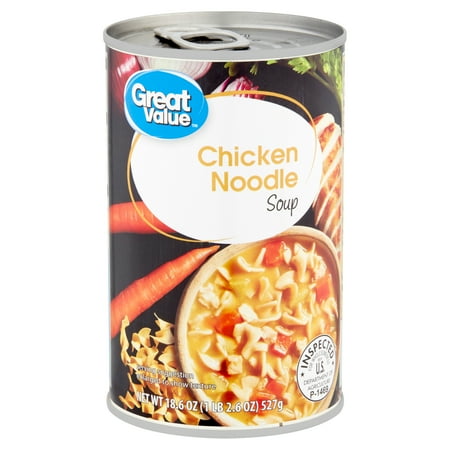
This chicken noodle soup contains beneficial ingredients like chicken broth, white chicken meat, and carrots, which provide protein and nutrients. However, it is classified as ultra-processed due to the inclusion of ingredients like sugar and natural flavors, which are processed and lack transparency. The presence of these additives and the overall processing level limit its healthiness despite the positive aspects.
Key ingredients 16
Chicken brothGood
Chicken broth is a flavorful base that provides protein and minerals. It is typically made by simmering chicken bones and meat, which can release collagen and nutrients. This ingredient is a staple in soups for its rich taste and nutritional benefits.
Benefits
Provides protein and minerals, and may support joint health due to collagen content.
Cooked white chicken meatGood
White chicken meat is a lean source of protein with low fat content. It is a high-quality animal protein that supports muscle maintenance and repair. The inclusion of chicken meat enhances the nutritional profile of the soup.
Benefits
Rich in protein, supporting muscle health and providing essential amino acids.
CarrotsGood
Carrots are a nutritious vegetable rich in beta-carotene, fiber, and antioxidants. They are minimally processed and add natural sweetness and color to the soup. Carrots contribute to eye health and immune function.
Benefits
High in beta-carotene, which is converted to vitamin A, supporting vision and immune health.
Garlic powderGood
Concentrated whole-food seasoning.
Benefits
Adds flavor and may have minor antioxidant properties.
Ascorbic acidGood
Vitamin C — beneficial even when serving as a preservative.
Benefits
Acts as an antioxidant and helps preserve the product.
Beta-caroteneGood
Beneficial ingredient — whole-food or functional value in this product class.
Benefits
Adds color and can be converted to vitamin A in the body.
Enriched pasta semolinaNeutral
Enriched pasta semolina provides carbohydrates and some vitamins and minerals due to fortification. It is a processed ingredient but commonly used in soups for texture and satiety. The enrichment process adds nutrients like iron and B vitamins.
Risks
May contribute to increased calorie intake if consumed in excess.
Benefits
Provides energy through carbohydrates and is fortified with essential nutrients like iron and B vitamins.
CeleryNeutral
Celery is a low-calorie vegetable that adds flavor and texture to the soup. It is minimally processed and contains some vitamins and minerals. While not a significant source of nutrients, it contributes to the overall flavor profile.
Benefits
Adds flavor and texture with minimal calories.
SaltNeutral
Salt is used to enhance flavor but should be consumed in moderation due to potential health risks. It is a common culinary ingredient that can contribute to high sodium intake. Moderation is key to avoid negative health impacts.
Risks
Excessive consumption can lead to high blood pressure and cardiovascular issues.
Benefits
Enhances flavor and is essential for maintaining fluid balance in the body.
Food starch-modifiedNeutral
Modified food starch is used as a thickening agent in soups. It is a processed ingredient that helps improve texture and consistency. While it does not provide significant nutritional benefits, it is commonly used in processed foods.
Benefits
Improves texture and consistency of the soup.
Chicken fatNeutral
Chicken fat adds flavor and richness to the soup. It is a source of animal fat that can enhance the taste profile. While it provides some energy, it should be consumed in moderation due to saturated fat content.
Risks
Excessive consumption may contribute to increased cholesterol levels.
Benefits
Enhances flavor and provides energy.
Onion powderNeutral
Onion powder is used for flavoring and is a dehydrated form of onions. It is minimally processed and adds depth to the soup's taste. While it does not provide significant nutrients, it enhances the overall flavor profile.
Benefits
Adds flavor without significant calories.
SpiceNeutral
Spices are used to enhance flavor and are typically minimally processed. They add complexity to the taste profile of the soup. While they do not provide significant nutrients, they contribute to the overall flavor.
Benefits
Enhances flavor with minimal calories.
SugarBad
Sugar is added for flavor but provides no essential nutrients. It is a refined carbohydrate that can contribute to increased calorie intake. Excessive consumption of sugar is linked to various health issues.
Risks
May contribute to obesity, diabetes, and dental issues when consumed in excess.
Natural flavorBad
Natural flavors are added to enhance taste but lack transparency in their composition. They are processed ingredients that can contain a variety of compounds. The lack of specificity raises concerns about potential allergens or additives.
Risks
Potential allergens or additives may be present without clear labeling.
Yeast extractBad
Concentrated glutamate source — MSG-adjacent flavor enhancer.
Risks
May contain glutamates, which some individuals are sensitive to.
Benefits
Enhances umami flavor in the soup.
Processing
Ultra-Processed Foods
Get the full breakdown in the Scout appTake Scout shopping
Scan any product to see lab results, healthy alternatives, and your personalized analysis.
Download on theApp Store GET IT ONGoogle Play