


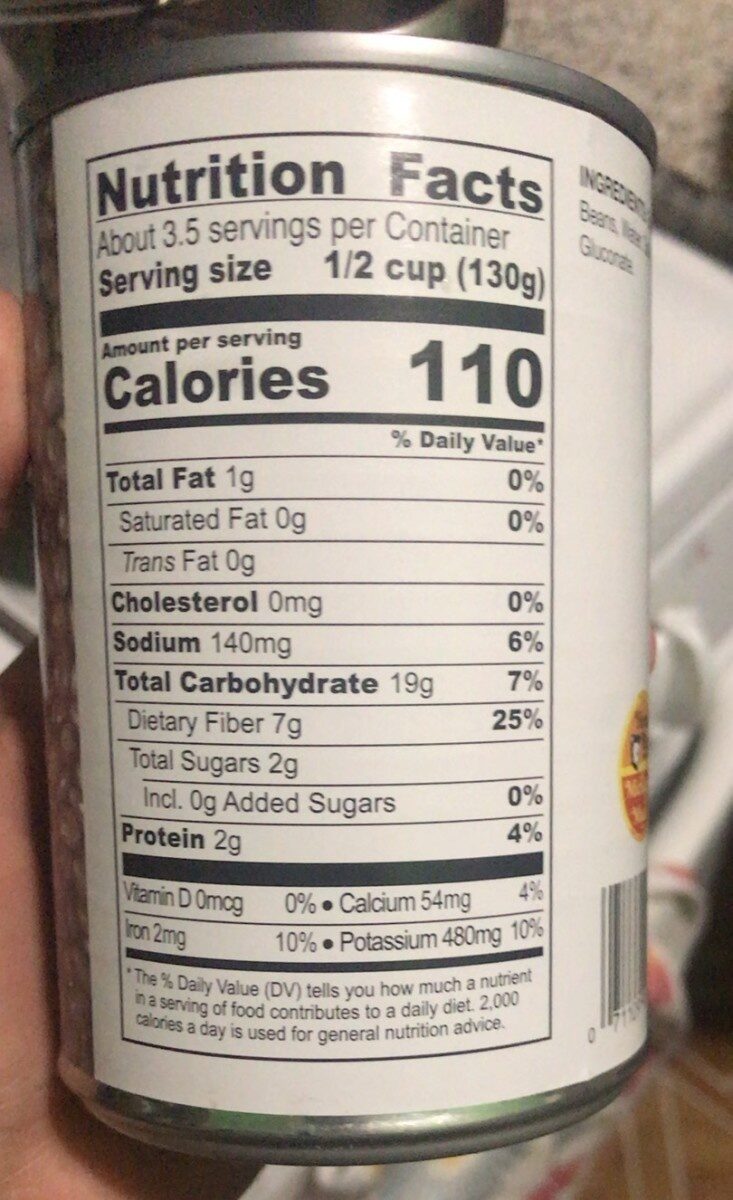
At a glance
Summary
This product contains several beneficial ingredients such as garlic, dillweed, and celery, which provide antioxidants and support digestive health. However, it includes dextrose, a refined sugar, which can negatively impact blood sugar levels. The presence of multiple additives like guar gum and xanthan gum indicates a moderate level of processing, which affects the overall score.
Key ingredients 13
Cured CucumbersGood
Cured cucumbers provide a crunchy texture and are a source of probiotics due to fermentation. They can aid in digestion and support gut health. The curing process enhances flavor without significant nutrient loss.
Risks
High sodium content in cured cucumbers may be a concern for individuals with hypertension.
Benefits
Rich in probiotics that support gut health and digestion. Provides a refreshing taste and texture to dishes.
DillweedGood
Dillweed is an herb that adds flavor and contains antioxidants. It has anti-inflammatory properties and can support digestive health. Dillweed is minimally processed and retains its natural nutrients.
Benefits
Contains antioxidants and anti-inflammatory compounds that may support overall health. Enhances flavor without adding calories.
CeleryGood
Celery is a low-calorie vegetable rich in vitamins and minerals, including vitamin K and potassium. It is hydrating and supports digestive health due to its fiber content. Celery is minimally processed and retains its nutritional benefits.
Benefits
Provides essential vitamins and minerals, supports hydration, and aids digestion due to its fiber content.
GarlicGood
Garlic is known for its potent antioxidant and anti-inflammatory properties. It supports cardiovascular health and boosts the immune system. Fresh garlic retains its beneficial compounds and enhances flavor.
Benefits
Rich in antioxidants and compounds that support heart health and immune function. Adds robust flavor to dishes.
OnionGood
Onions are a source of antioxidants and have anti-inflammatory properties. They support heart health and may improve immune function. Onions are minimally processed and retain their natural nutrients.
Benefits
Contains antioxidants and compounds that support heart health and immune function. Adds flavor and depth to dishes.
Black PepperGood
Black pepper contains piperine, which enhances nutrient absorption and has antioxidant properties. It adds flavor and may support digestive health. Black pepper is minimally processed and retains its beneficial compounds.
Benefits
Enhances nutrient absorption and provides antioxidants. Adds flavor and spice to dishes.
Egg YolkGood
Egg yolk is a rich source of vitamins, minerals, and healthy fats. It supports brain health and provides essential nutrients like choline. Egg yolks are minimally processed and retain their nutritional value.
Risks
High cholesterol content may be a concern for individuals with specific dietary restrictions.
Benefits
Provides essential nutrients and healthy fats that support brain health and overall nutrition.
Mustard FlourNeutral
Mustard flour is used as a spice and flavor enhancer. It provides a tangy taste but does not offer significant nutritional benefits. The processing of mustard seeds into flour is minimal.
Benefits
Adds flavor and spice to dishes without adding calories.
SaltNeutral
Salt is used as a seasoning and preservative. It enhances flavor but does not provide significant nutritional benefits. Excessive consumption can lead to health issues like hypertension.
Risks
High sodium intake can contribute to hypertension and cardiovascular issues.
Benefits
Enhances flavor and acts as a preservative in foods.
Guar GumNeutral
Guar gum is a thickening agent used to improve texture and stability in foods. It is derived from guar beans and is generally considered safe. It does not provide significant nutritional benefits.
Risks
Excessive consumption may cause digestive discomfort in some individuals.
Benefits
Improves texture and stability in food products without adding calories.
Xanthan GumNeutral
Xanthan gum is a common food additive used as a thickener and stabilizer. It is produced through fermentation and is generally recognized as safe. It does not offer significant nutritional benefits.
Risks
May cause digestive issues in sensitive individuals when consumed in large amounts.
Benefits
Enhances texture and stability in food products without contributing calories.
CelluloseNeutral
Cellulose is a plant-based fiber used as a bulking agent and stabilizer in foods. It is not digestible by humans and passes through the digestive system. It does not provide significant nutritional benefits.
Benefits
Adds bulk and stability to food products without adding calories.
DextroseBad
Dextrose is a simple sugar used as a sweetener and preservative. It can contribute to increased blood sugar levels and is considered a refined carbohydrate. Excessive consumption may lead to health issues like obesity and diabetes.
Risks
May contribute to obesity, diabetes, and other metabolic disorders when consumed in excess.
Processing
Processed Foods
Get the full breakdown in the Scout appTake Scout shopping
Scan any product to see lab results, healthy alternatives, and your personalized analysis.
Download on theApp Store GET IT ONGoogle Play