Men's 50+ Multivitamin

At a glance
Summary
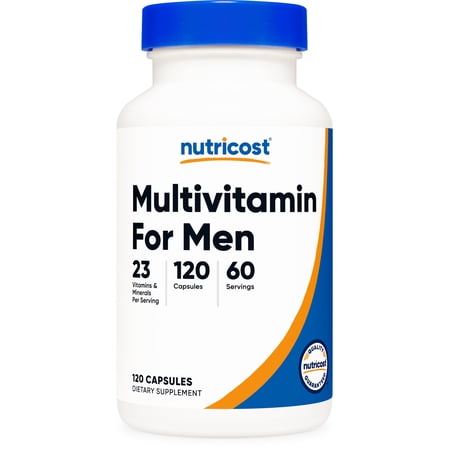
This multivitamin contains a variety of beneficial ingredients such as calcium carbonate, potassium chloride, and ascorbic acid, which support bone health, cardiovascular function, and immune health. However, the presence of sodium borate, a preservative with potential toxicity concerns, and sugar, which provides empty calories, detracts from its overall healthfulness. The formulation includes several additives, which increases its processing level, but it remains a viable option for those seeking a comprehensive multivitamin. Its plastic packaging can shed microplastics into the product and lowers its score.
Key ingredients 41
MethylcobalaminVery Good
Methylcobalamin is a bioactive form of Vitamin B12, essential for nerve function and red blood cell production. It is better absorbed than other forms of B12. This ingredient is highly beneficial for its role in supporting neurological health and preventing anemia.
Benefits
Supports nerve function and prevents Vitamin B12 deficiency.
Dl-Alpha Tocopheryl AcetateGood
Dl-alpha tocopheryl acetate is a synthetic form of Vitamin E, an antioxidant that protects cells from damage. It is used in supplements to support immune function and skin health. This ingredient is beneficial for its antioxidant properties.
Risks
High doses may increase the risk of bleeding and interfere with blood clotting.
Benefits
Provides antioxidant protection and supports immune and skin health.
Saw Palmetto PowderGood
Saw palmetto powder is derived from the fruit of the saw palmetto plant and is used to support prostate health. It is commonly used in supplements for men's health. This ingredient is beneficial for its potential to improve urinary function and reduce symptoms of benign prostatic hyperplasia.
Risks
May cause mild digestive issues in some individuals.
Benefits
Supports prostate health and may improve urinary function.
Ascorbic AcidGood
Ascorbic acid is Vitamin C, a powerful antioxidant that supports immune function and skin health. It is essential for collagen synthesis and wound healing. This ingredient is highly beneficial for its role in boosting immunity and protecting against oxidative stress.
Risks
High doses can cause gastrointestinal discomfort and increase the risk of kidney stones.
Benefits
Boosts immune function and protects against oxidative damage.
Beta-CaroteneGood
Beta-carotene is a precursor to Vitamin A and acts as an antioxidant. It supports vision and immune health. This ingredient is beneficial for its role in maintaining healthy vision and providing antioxidant protection.
Risks
Excessive intake may lead to carotenemia, a harmless condition causing yellowing of the skin.
Benefits
Supports vision and immune health through its antioxidant properties.
BiotinGood
Biotin, also known as Vitamin B7, supports metabolism and is important for healthy hair, skin, and nails. It is a water-soluble vitamin that aids in energy production. This ingredient is beneficial for its role in maintaining healthy skin and hair.
Benefits
Supports healthy hair, skin, and nails, and aids in energy metabolism.
Calcium D-PantothenateGood
Calcium D-pantothenate is a form of Vitamin B5, essential for energy metabolism and the synthesis of coenzyme A. It supports adrenal function and the production of red blood cells. This ingredient is beneficial for its role in energy production and stress response.
Benefits
Supports energy metabolism and adrenal function.
Choline BitartrateGood
Choline bitartrate is a source of choline, important for liver function, brain development, and muscle movement. It supports cognitive function and memory. This ingredient is beneficial for its role in supporting brain health and liver function.
Risks
High doses may cause fishy body odor and gastrointestinal distress.
Benefits
Supports brain health and liver function.
Chromium PicolinateGood
Chromium picolinate is a form of chromium that helps regulate blood sugar levels and supports metabolism. It is often used in supplements to aid in weight management. This ingredient is beneficial for its role in improving insulin sensitivity and metabolic health.
Risks
High doses may cause gastrointestinal discomfort and kidney damage.
Benefits
Supports blood sugar regulation and metabolic health.
D-Alpha TocopherolGood
D-alpha tocopherol is a natural form of Vitamin E, an antioxidant that protects cells from oxidative damage. It supports immune function and skin health. This ingredient is beneficial for its antioxidant properties and role in maintaining healthy skin.
Risks
High doses may increase the risk of bleeding and interfere with blood clotting.
Benefits
Provides antioxidant protection and supports immune and skin health.
LuteinGood
Lutein is a carotenoid that supports eye health by protecting against oxidative damage. It is found in high concentrations in the retina. This ingredient is beneficial for its role in maintaining healthy vision and reducing the risk of age-related macular degeneration.
Benefits
Supports eye health and reduces the risk of macular degeneration.
LycopeneGood
Lycopene is a powerful antioxidant found in tomatoes and other red fruits. It supports heart health and may reduce the risk of certain cancers. This ingredient is beneficial for its antioxidant properties and role in supporting cardiovascular health.
Benefits
Supports heart health and provides antioxidant protection.
Marigold Flower ExtractGood
Marigold flower extract is rich in lutein and zeaxanthin, carotenoids that support eye health. It is used in supplements to protect against oxidative damage in the eyes. This ingredient is beneficial for its role in maintaining healthy vision.
Benefits
Supports eye health and provides antioxidant protection.
Medium Chain TriglyceridesGood
Medium chain triglycerides (MCTs) are fats that are rapidly absorbed and used for energy. They support weight management and cognitive function. This ingredient is beneficial for its role in providing quick energy and supporting brain health.
Risks
Excessive intake may cause digestive discomfort.
Benefits
Provides quick energy and supports cognitive function.
Mixed TocopherolsGood
Mixed tocopherols are a blend of Vitamin E compounds that provide antioxidant protection. They support immune function and skin health. This ingredient is beneficial for its comprehensive antioxidant properties.
Risks
High doses may increase the risk of bleeding and interfere with blood clotting.
Benefits
Provides broad-spectrum antioxidant protection and supports immune health.
NiacinamideGood
Niacinamide is a form of Vitamin B3 that supports skin health and energy metabolism. It is used in supplements to improve skin appearance and reduce inflammation. This ingredient is beneficial for its role in maintaining healthy skin and supporting metabolic processes.
Risks
High doses may cause flushing and liver damage.
Benefits
Supports skin health and energy metabolism.
PhytonadioneGood
Phytonadione is Vitamin K1, essential for blood clotting and bone health. It is used in supplements to support cardiovascular and skeletal health. This ingredient is beneficial for its role in promoting proper blood coagulation and bone strength.
Benefits
Supports blood clotting and bone health.
Potassium IodideGood
Potassium iodide is a source of iodine, essential for thyroid function and hormone production. It supports metabolic rate and energy levels. This ingredient is beneficial for its role in maintaining thyroid health and preventing iodine deficiency.
Risks
Excessive intake can lead to thyroid dysfunction.
Benefits
Supports thyroid health and hormone production.
Pyridoxine HydrochlorideGood
Pyridoxine hydrochloride is a form of Vitamin B6, important for protein metabolism and neurotransmitter synthesis. It supports brain health and immune function. This ingredient is beneficial for its role in supporting cognitive function and reducing inflammation.
Risks
High doses may cause nerve damage.
Benefits
Supports brain health and immune function.
Retinyl AcetateGood
Retinyl acetate is a form of Vitamin A, essential for vision, immune function, and skin health. It is used in supplements to support eye health and prevent Vitamin A deficiency. This ingredient is beneficial for its role in maintaining healthy vision and immune response.
Risks
Excessive intake can lead to Vitamin A toxicity, causing liver damage and birth defects.
Benefits
Supports vision and immune function.
RiboflavinGood
Riboflavin, or Vitamin B2, is important for energy production and cellular function. It supports skin health and eye function. This ingredient is beneficial for its role in energy metabolism and maintaining healthy skin and eyes.
Benefits
Supports energy production and skin health.
Sodium AscorbateGood
Sodium ascorbate is a form of Vitamin C that is less acidic and easier on the stomach. It provides antioxidant protection and supports immune function. This ingredient is beneficial for its role in boosting immunity and protecting against oxidative stress.
Risks
High doses can cause gastrointestinal discomfort and increase the risk of kidney stones.
Benefits
Boosts immune function and provides antioxidant protection.
Thiamine MononitrateGood
Thiamine mononitrate is a form of Vitamin B1, essential for energy metabolism and nerve function. It supports cardiovascular health and cognitive function. This ingredient is beneficial for its role in energy production and maintaining healthy nerve function.
Benefits
Supports energy metabolism and nerve function.
Zinc OxideGood
Zinc oxide is a source of zinc, an essential mineral important for immune function and wound healing. It supports skin health and cellular metabolism. This ingredient is beneficial for its role in supporting immune health and skin repair.
Risks
Excessive intake can lead to zinc toxicity, causing nausea and immune dysfunction.
Benefits
Supports immune function and skin health.
Zinc CitrateGood
Zinc citrate is a bioavailable form of zinc that supports immune function and cellular metabolism. It is used in supplements to improve zinc absorption. This ingredient is beneficial for its role in enhancing immune response and supporting metabolic processes.
Risks
Excessive intake can lead to zinc toxicity, causing nausea and immune dysfunction.
Benefits
Enhances zinc absorption and supports immune health.
Calcium CarbonateNeutral
Standard formulation ingredient — neither beneficial nor harmful at typical use.
Risks
Excessive intake can lead to hypercalcemia, which may cause kidney stones and impaired absorption of other minerals.
Benefits
Provides essential calcium for bone strength and health, particularly important for older adults.
Potassium ChlorideNeutral
Standard formulation ingredient — neither beneficial nor harmful at typical use.
Risks
High doses can lead to hyperkalemia, which may cause heart rhythm disturbances.
Benefits
Supports heart health and muscle function by providing necessary potassium.
Microcrystalline CelluloseNeutral
Microcrystalline cellulose is a common filler and binder in supplements, providing no nutritional value. It is used to improve the texture and stability of tablets. This ingredient is neutral as it does not impact health directly.
See more about Microcrystalline Cellulose →CrospovidoneNeutral
Crospovidone is an inactive ingredient used as a disintegrant in tablets to improve dissolution. It does not provide any nutritional value. This ingredient is neutral as it does not impact health directly.
See more about Crospovidone →Cupric SulfateNeutral
Cupric sulfate is a source of copper, an essential trace mineral important for iron metabolism and neurological function. It is used in small amounts in supplements. This ingredient is neutral as it provides necessary copper but must be consumed in moderation.
Risks
Excessive intake can lead to copper toxicity, causing liver and kidney damage.
Benefits
Provides essential copper for iron metabolism and neurological function.
Folic AcidNeutral
Standard formulation ingredient — neither beneficial nor harmful at typical use.
Risks
Excessive intake may mask Vitamin B12 deficiency symptoms.
Benefits
Supports DNA synthesis and prevents neural tube defects.
GelatinNeutral
Gelatin is used as a gelling agent in supplements, derived from animal collagen. It provides no significant nutritional value in small amounts. This ingredient is neutral as it does not impact health directly.
See more about Gelatin →Hydroxypropyl MethylcelluloseNeutral
Hydroxypropyl methylcellulose is a plant-derived compound used as a thickener and stabilizer in supplements. It provides no nutritional value. This ingredient is neutral as it does not impact health directly.
See more about Hydroxypropyl Methylcellulose →Manganese SulfateNeutral
Manganese sulfate is a source of manganese, a trace mineral important for bone formation and metabolism. It is used in small amounts in supplements. This ingredient is neutral as it provides necessary manganese but must be consumed in moderation.
Risks
Excessive intake can lead to manganese toxicity, affecting the nervous system.
Benefits
Provides essential manganese for bone health and metabolism.
Silicon DioxideNeutral
Silicon dioxide is used as an anti-caking agent in supplements to prevent clumping. It provides no nutritional value. This ingredient is neutral as it does not impact health directly.
See more about Silicon Dioxide →Sodium SelenateNeutral
Sodium selenate is a source of selenium, an essential trace mineral with antioxidant properties. It supports thyroid function and immune health. This ingredient is neutral as it provides necessary selenium but must be consumed in moderation.
Risks
Excessive intake can lead to selenium toxicity, causing hair loss and gastrointestinal distress.
Benefits
Supports thyroid function and provides antioxidant protection.
Stearic AcidNeutral
Stearic acid is a fatty acid used as a lubricant in supplement manufacturing. It provides no nutritional value. This ingredient is neutral as it does not impact health directly.
See more about Stearic Acid →MaltodextrinBad
Processed additive flagged under Scout's ingredient doctrine.
Risks
Excessive consumption may affect blood sugar levels.
Benefits
Provides quick energy and improves texture and stability of supplements.
Sodium BorateBad
Sodium borate is used as a preservative and has potential toxicity concerns. It is not essential for human health and may pose risks if consumed in large amounts. This ingredient is considered harmful due to its potential toxicity and lack of nutritional benefits.
Risks
May cause reproductive and developmental toxicity if consumed in large amounts.
SugarBad
Sugar is used as a sweetener and provides empty calories with no essential nutrients. Excessive consumption can lead to weight gain and increased risk of chronic diseases. This ingredient is considered harmful due to its potential negative impact on health when consumed in large amounts.
Risks
May contribute to obesity, diabetes, and dental cavities when consumed in excess.
Titanium DioxideVery Bad
Heavily flagged ingredient class under Scout's doctrine.
See more about Titanium Dioxide →Processing
Ultra-Processed Foods
Get the full breakdown in the Scout appTake Scout shopping
Scan any product to see lab results, healthy alternatives, and your personalized analysis.