FISHMONGER INFUSED 2 Salimon Fillets carmina Taman

At a glance
Summary
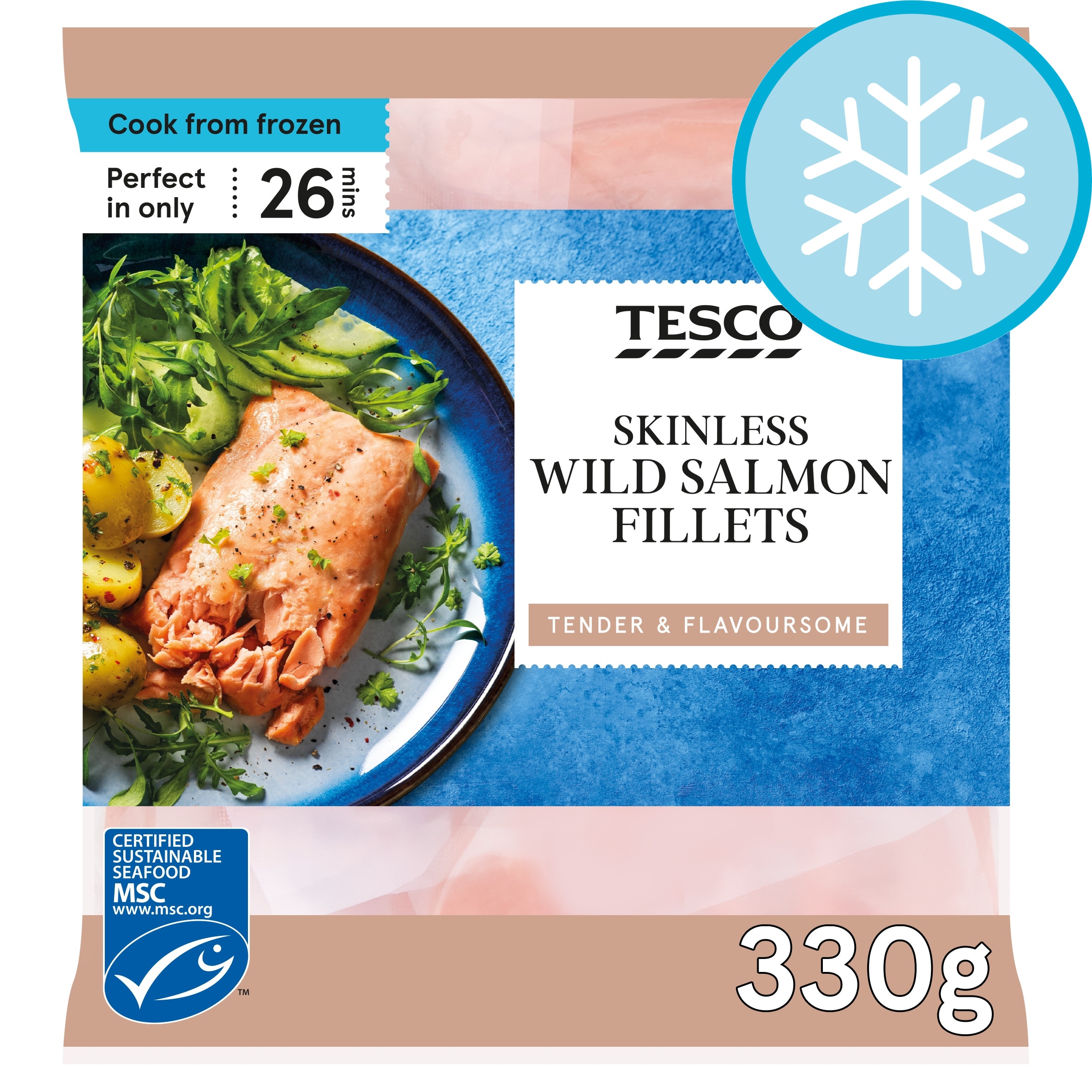
The product contains high-quality salmon, which is a beneficial source of protein and omega-3 fatty acids. However, it is heavily processed due to the inclusion of multiple additives such as stabilizers, sweeteners, and preservatives. The presence of refined sugars and synthetic additives further detracts from its nutritional profile, limiting its overall healthiness despite the beneficial ingredients.
Key ingredients 22
SalmonVery Good
Salmon is a high-quality source of protein and omega-3 fatty acids, which are beneficial for heart and brain health. It is rich in essential nutrients like vitamin D and selenium. Wild-caught or responsibly farmed salmon is preferred for its lower environmental impact and higher nutrient content.
Benefits
Rich in omega-3 fatty acids that support cardiovascular health and reduce inflammation. Provides high-quality protein and essential vitamins and minerals.
Ground ChilliGood
Ground chilli adds flavor and contains capsaicin, which may have metabolic and anti-inflammatory benefits. It is a natural spice with potential health-promoting properties. Capsaicin can aid in weight management and pain relief.
Risks
Excessive consumption may cause digestive discomfort in sensitive individuals.
Benefits
Contains capsaicin, which may boost metabolism and reduce inflammation.
Ground GarlicGood
Ground garlic is known for its potential health benefits, including antimicrobial and cardiovascular support. It contains allicin, which may help lower cholesterol and blood pressure. Garlic is a natural ingredient with a long history of medicinal use.
Benefits
May support heart health and has antimicrobial properties due to allicin content.
Ground OnionGood
Ground onion adds flavor and contains antioxidants that may support immune function. It is a natural ingredient with potential health benefits. Onions are rich in quercetin, which has anti-inflammatory properties.
Benefits
Rich in antioxidants and may support immune health and reduce inflammation.
Ground PaprikaGood
Ground paprika is a spice rich in antioxidants and vitamins, particularly vitamin A. It adds flavor and color to dishes while providing potential health benefits. Paprika contains carotenoids, which may support eye health.
Benefits
Rich in antioxidants and vitamins, supporting eye health and providing anti-inflammatory benefits.
Ascorbic AcidGood
Ascorbic acid, also known as vitamin C, is an essential nutrient with antioxidant properties. It supports immune function and skin health. Ascorbic acid is crucial for collagen synthesis and may reduce oxidative stress.
Benefits
Supports immune health and acts as an antioxidant, reducing oxidative stress.
Dried ParsleyGood
Dried parsley is a natural herb rich in vitamins A, C, and K, and antioxidants. It adds flavor and nutritional value to dishes. Parsley may support bone health and reduce oxidative stress.
Benefits
Rich in vitamins and antioxidants, supporting bone health and reducing oxidative stress.
Turmeric ExtractGood
Turmeric extract contains curcumin, known for its anti-inflammatory and antioxidant properties. It may support joint health and reduce inflammation. Turmeric is a natural spice with potential health benefits.
Benefits
Contains curcumin, which may reduce inflammation and support joint health.
Sweet Chilli MarinadeNeutral
The marinade contains a mix of water, salt, sugar, and various spices and stabilizers. While it adds flavor, the sugar content and presence of stabilizers like sodium acetate may not be ideal for everyone. The overall impact is neutral as it enhances taste without significant health benefits or risks.
Risks
Excessive consumption of sugar and sodium can contribute to health issues like hypertension and obesity.
Benefits
Enhances flavor and palatability of the product without significant nutritional benefits.
Sodium CitratesNeutral
Sodium citrates are used as acidity regulators and emulsifiers in food products. They are generally recognized as safe and help maintain product stability. While they do not provide nutritional benefits, they are not associated with significant health risks when consumed in moderation.
Benefits
Helps maintain product stability and texture without providing nutritional benefits.
Citric AcidNeutral
Citric acid is a natural preservative and acidity regulator found in citrus fruits. It is widely used in food processing for its preservative properties. While it does not provide nutritional benefits, it is generally recognized as safe.
Benefits
Helps preserve food and maintain acidity without providing nutritional benefits.
Sodium AscorbateNeutral
Sodium ascorbate is a form of vitamin C used as an antioxidant and preservative. It is less acidic than ascorbic acid and provides similar benefits. While it supports immune health, it is primarily used for its preservative properties in food.
Benefits
Provides vitamin C benefits and acts as an antioxidant in food preservation.
Capsicum OleoresinNeutral
Capsicum oleoresin is a concentrated extract used for flavoring and coloring. It contains capsaicin, which may have metabolic benefits. While it enhances flavor, it does not provide significant nutritional benefits.
Risks
Excessive consumption may cause digestive discomfort in sensitive individuals.
Benefits
Enhances flavor and may provide metabolic benefits due to capsaicin content.
Lemon ExtractNeutral
Lemon extract is used for flavoring and contains natural citrus oils. It adds a fresh taste to foods but does not provide significant nutritional benefits. Lemon extract is primarily used for its aromatic properties.
Benefits
Enhances flavor with natural citrus oils without providing nutritional benefits.
Paprika OleoresinNeutral
Paprika oleoresin is a concentrated extract used for coloring and flavoring. It provides a natural red color to foods but does not offer significant nutritional benefits. The oleoresin is primarily used for its pigment properties.
Benefits
Provides natural coloring and flavoring without significant nutritional benefits.
Mace ExtractNeutral
Mace extract is used for flavoring and contains aromatic compounds. It adds a warm, spicy flavor to foods but does not provide significant nutritional benefits. Mace is primarily used for its flavor-enhancing properties.
Benefits
Enhances flavor with aromatic compounds without providing nutritional benefits.
Onion OilNeutral
Onion oil is used for flavoring and contains sulfur compounds. It adds a strong onion flavor to foods but does not provide significant nutritional benefits. Onion oil is primarily used for its flavor-enhancing properties.
Benefits
Enhances flavor with sulfur compounds without providing nutritional benefits.
SugarBad
Refined sugar is associated with negative health impacts such as increased risk of obesity and metabolic disorders. It provides empty calories without essential nutrients. Frequent consumption can lead to insulin resistance and other metabolic issues.
Risks
High intake of refined sugar can lead to weight gain, insulin resistance, and increased risk of type 2 diabetes.
Sodium AcetateBad
Sodium acetate is used as a stabilizer and preservative in processed foods. While generally recognized as safe, excessive intake can contribute to sodium overload. It is a synthetic additive with no nutritional benefits.
Risks
Excessive sodium intake can lead to hypertension and cardiovascular issues.
Sodium CarbonatesBad
Sodium carbonates are used as acidity regulators and stabilizers in food processing. They are synthetic additives with no nutritional value. Overconsumption can contribute to an imbalance in dietary sodium.
Risks
High sodium intake can increase the risk of hypertension and cardiovascular diseases.
Glucose SyrupBad
Glucose syrup is a sweetener derived from corn or wheat, high in simple sugars. It contributes to increased caloric intake without essential nutrients. Regular consumption can lead to weight gain and metabolic issues.
Risks
High consumption can lead to obesity, insulin resistance, and increased risk of metabolic syndrome.
DextroseBad
Dextrose is a simple sugar that provides quick energy but lacks essential nutrients. It can contribute to rapid spikes in blood sugar levels. Regular consumption of dextrose can lead to metabolic issues and weight gain.
Risks
High intake can lead to insulin resistance and increased risk of type 2 diabetes.
Processing
Ultra-Processed Foods
Get the full breakdown in the Scout appTake Scout shopping
Scan any product to see lab results, healthy alternatives, and your personalized analysis.
Are you The Fishmonger? Fix an error Get the badge Get tested