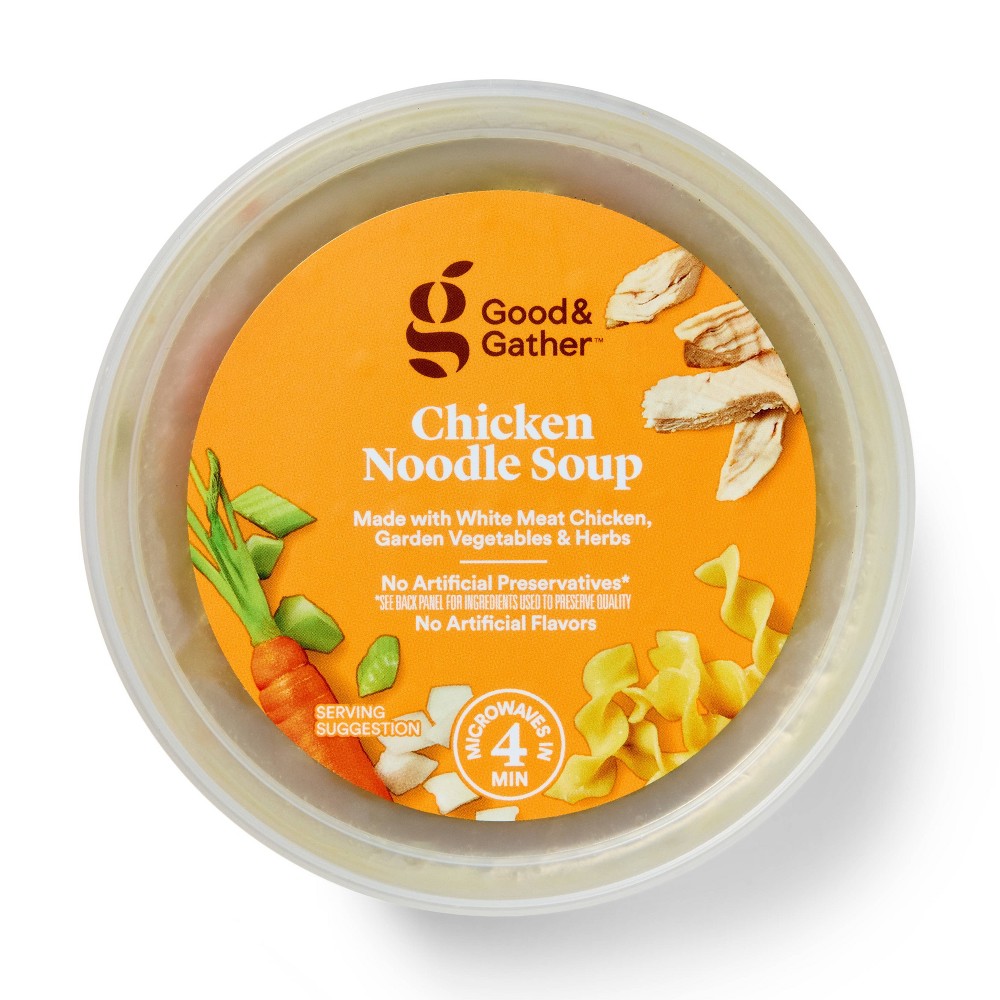
Chicken noodle soup, chicken noodle
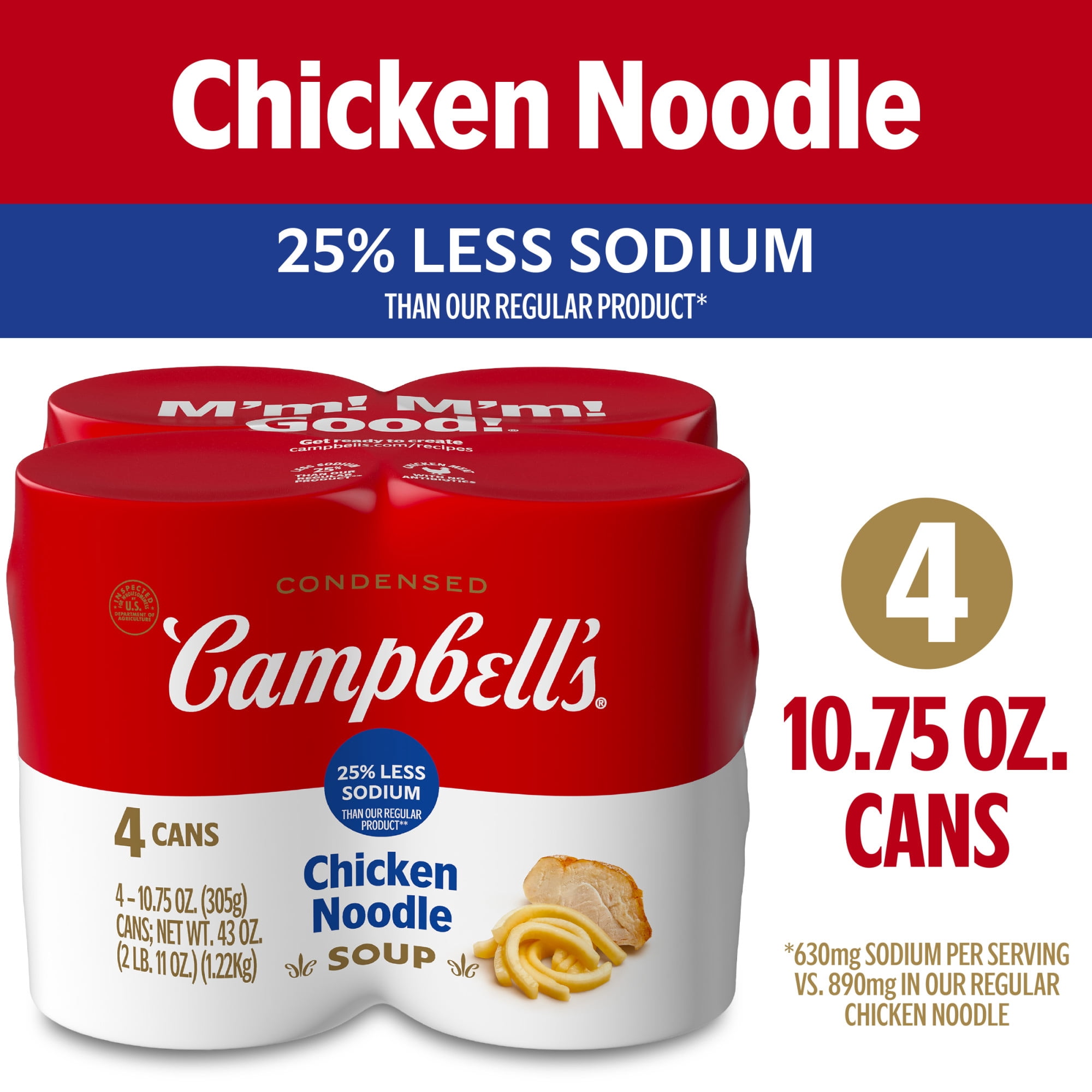
At a glance
Summary
This chicken noodle soup contains several organic ingredients, such as chicken stock, carrots, and egg noodles, which contribute positively to its nutritional profile. However, the presence of organic canola oil, a seed oil, and natural flavors, which lack transparency, detract from its overall healthiness. Additionally, the product is classified as ultra-processed, which limits its potential health score despite the use of organic ingredients.
Key ingredients 18
Organic carrotsVery Good
Organic carrots are a nutrient-dense vegetable rich in beta-carotene. They are grown without synthetic pesticides, enhancing their nutritional profile. The organic label ensures a lower environmental impact.
Benefits
High in antioxidants and vitamins that support eye health and immune function.
Organic celeryVery Good
Organic celery is a low-calorie vegetable rich in vitamins and minerals. It is grown without synthetic pesticides, enhancing its nutritional value. The organic label ensures a lower environmental impact.
Benefits
Contains antioxidants and fiber that support digestive health.
Organic chicken stockGood
Organic chicken stock is a flavorful base that provides essential nutrients. It is made from organic chicken bones and vegetables, ensuring a cleaner and more natural product. The organic certification indicates fewer pesticides and synthetic additives.
Benefits
Rich in collagen and minerals that support joint and gut health.
Organic chicken meatGood
Organic chicken meat is a high-quality protein source. It is raised without antibiotics or hormones, ensuring a cleaner product. The organic certification indicates better animal welfare standards.
Benefits
Provides essential amino acids necessary for muscle repair and growth.
Organic egg noodlesGood
Organic egg noodles are made from organic semolina wheat and eggs, providing a source of carbohydrates and protein. The organic certification ensures fewer synthetic additives. They offer a more natural alternative to conventional pasta.
Risks
Contains gluten, which may be a concern for individuals with celiac disease or gluten sensitivity.
Benefits
Provides energy and essential nutrients from whole grains and eggs.
Sea saltGood
Sea salt is a natural source of sodium and trace minerals. It is less processed than table salt, retaining more natural minerals. The use of sea salt can enhance flavor without excessive processing.
Risks
Excessive sodium intake can lead to high blood pressure and cardiovascular issues.
Benefits
Provides essential electrolytes necessary for fluid balance and nerve function.
Organic chicken fatGood
Organic chicken fat is a source of healthy fats. It is derived from organic chickens, ensuring fewer synthetic additives. The fat provides flavor and aids in the absorption of fat-soluble vitamins.
Risks
High intake of saturated fats can contribute to cardiovascular issues.
Benefits
Rich in monounsaturated fats that support heart health.
Organic spicesGood
Organic spices add flavor and potential health benefits. They are grown without synthetic pesticides, enhancing their purity and potency. The organic label ensures a lower environmental impact.
Benefits
Contain antioxidants and compounds that may support overall health.
Organic parsley flakesGood
Organic parsley flakes add flavor and nutrients. They are rich in vitamins A, C, and K and grown without synthetic pesticides. The organic label ensures a lower environmental impact.
Benefits
Contains antioxidants and vitamins that support immune function and bone health.
Organic corn starchNeutral
Organic corn starch is used as a thickening agent. It is derived from organic corn, ensuring fewer synthetic additives. It does not significantly impact the nutritional profile of the product.
See more about Organic corn starch →SaltNeutral
Salt is a common seasoning used to enhance flavor. It is a refined form of sodium chloride. While necessary for flavor, it does not provide additional nutritional benefits.
Risks
Excessive sodium intake can lead to high blood pressure and cardiovascular issues.
Benefits
Essential for maintaining fluid balance and nerve function.
Organic chicken (mechanically deboned)Neutral
Mechanically deboned organic chicken provides a source of protein. The mechanical process allows for efficient use of meat, though it may include small bone fragments. The organic certification ensures fewer synthetic additives.
Risks
Potential for small bone fragments due to mechanical processing.
Benefits
Provides essential amino acids necessary for muscle repair and growth.
Yeast extractNeutral
Yeast extract is used as a flavor enhancer. It is a natural source of glutamates, which can enhance umami flavor. It does not significantly impact the nutritional profile of the product.
Risks
May cause reactions in individuals sensitive to glutamates.
Benefits
Enhances flavor without the need for artificial additives.
Organic rice flourNeutral
Organic rice flour is used as a thickening agent. It is derived from organic rice, ensuring fewer synthetic additives. It does not significantly impact the nutritional profile of the product.
See more about Organic rice flour →Organic pear juice concentrateNeutral
Organic pear juice concentrate is used as a natural sweetener. It is derived from organic pears, ensuring fewer synthetic additives. It provides natural sugars but does not significantly impact the nutritional profile.
Risks
Contains natural sugars, which can contribute to calorie intake.
Benefits
Provides a natural source of sweetness without refined sugars.
Organic cane sugarNeutral
Organic cane sugar is a natural sweetener. It is less processed than refined sugar, retaining some molasses content. The organic certification ensures fewer synthetic additives.
Risks
Excessive sugar intake can lead to weight gain and metabolic issues.
Benefits
Provides a natural source of sweetness with minimal processing.
Natural flavorsBad
Natural flavors are used to enhance taste but lack transparency in their composition. They can contain a variety of compounds, some of which may be heavily processed. The lack of disclosure makes it difficult to assess their health impact.
Risks
Potential for allergic reactions or sensitivities due to undisclosed components.
Organic canola oilVery Bad
Organic canola oil is a seed oil high in omega-6 fatty acids. Despite being organic, it is heavily processed and can contribute to inflammation when consumed in excess. The high omega-6 content is a concern for balanced omega-3 to omega-6 ratios.
Risks
High omega-6 content may promote inflammation when consumed in excess.
Processing
Ultra-Processed Foods
Get the full breakdown in the Scout appTake Scout shopping
Scan any product to see lab results, healthy alternatives, and your personalized analysis.
Are you Star Markets Co.? Fix an error Get the badge Get tested