


Butternut Squash Soup with Cinnamon & Nutmeg
Analysis updated July 2026 · How Scout scores
At a glance
Summary
This butternut squash soup contains nutrient-rich ingredients like butternut squash, sweet potatoes, and spices, which provide vitamins and antioxidants. However, the presence of cane sugar, a refined sugar, detracts from its healthiness by contributing to increased caloric intake without essential nutrients. The soup is moderately processed, which limits its score despite the overall clean ingredient list.
Key ingredients 12
Butternut SquashVery Good
Butternut squash is a nutrient-dense vegetable rich in vitamins A and C. It provides dietary fiber and antioxidants that support immune function and eye health. Its natural sweetness enhances flavor without added sugars.
Benefits
Rich in vitamins A and C, supporting immune function and eye health. Provides dietary fiber and antioxidants.
Sweet PotatoesVery Good
Sweet potatoes are a nutritious root vegetable high in beta-carotene, vitamin C, and fiber. They have a low glycemic index, which helps in maintaining stable blood sugar levels. Their natural sweetness adds flavor without refined sugars.
Benefits
High in beta-carotene and vitamin C, supporting immune health and vision. Provides dietary fiber and has a low glycemic index.
Heavy CreamGood
Heavy cream is a dairy product rich in fats and fat-soluble vitamins like A and D. It adds richness and flavor to foods, enhancing palatability. When sourced from grass-fed cows, it may contain beneficial omega-3 fatty acids.
Risks
High in saturated fats, which may impact heart health if consumed in excess.
Benefits
Rich in fat-soluble vitamins and may contain beneficial omega-3s if grass-fed.
Sea SaltGood
Sea salt is a minimally processed salt that contains trace minerals. It enhances flavor and provides essential sodium for bodily functions. Unlike refined salt, it retains natural minerals.
Risks
Excessive sodium intake can lead to hypertension and cardiovascular issues.
Benefits
Contains trace minerals and enhances flavor.
CinnamonGood
Cinnamon is a spice with antioxidant properties and potential anti-inflammatory effects. It adds flavor and aroma to foods without calories. Some studies suggest it may help regulate blood sugar levels.
Benefits
Contains antioxidants and may help regulate blood sugar levels.
SpicesGood
Whole-food seasonings, antioxidant-bearing.
Benefits
May provide health benefits depending on the specific spices used.
NutmegGood
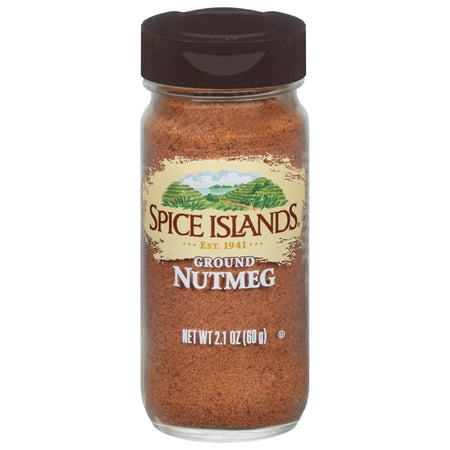
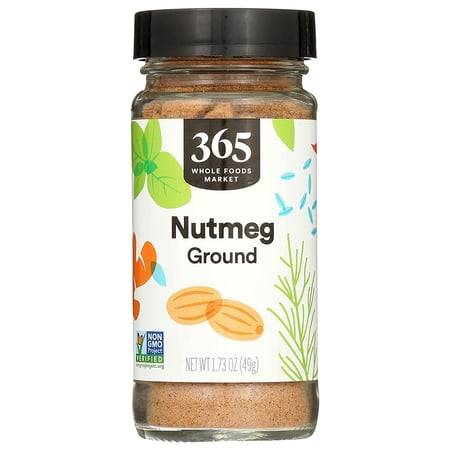
Nutmeg is a spice known for its aromatic properties and potential digestive benefits. It adds warmth and depth to flavor profiles. In small amounts, it is safe and enhances culinary experiences.
Risks
In large quantities, nutmeg can be toxic, but typical culinary use is safe.
Benefits
Enhances flavor and may aid digestion.
WaterNeutral
Water is a neutral ingredient used as a base in many food products. It provides no nutritional value but is essential for consistency and hydration. It does not impact the healthiness of the product.
See more about Water →Rice StarchNeutral
Rice starch is used as a thickening agent in food products. It is a refined carbohydrate that provides texture without significant nutritional value. It is generally considered safe and non-allergenic.
See more about Rice Starch →Nonfat Dry MilkNeutral
Nonfat dry milk is a dehydrated form of milk that retains protein and calcium. It is used to enhance nutritional content without adding fat. It is a convenient source of dairy nutrients in shelf-stable form.
Risks
May cause issues for individuals with lactose intolerance or milk allergies.
Benefits
Provides protein and calcium, supporting bone health.
Rice FlourNeutral
Rice flour is a gluten-free flour used as a thickener and texture enhancer. It is a refined carbohydrate with limited nutritional value. It is suitable for gluten-free diets.
Benefits
Suitable for gluten-free diets.
Cane SugarBad
Cane sugar is a refined sugar that can contribute to increased blood sugar levels and caloric intake. Excessive consumption is linked to obesity and metabolic disorders. It provides no essential nutrients beyond calories.
Risks
May contribute to obesity, diabetes, and other metabolic disorders when consumed in excess.
Processing
Processed Foods
Get the full breakdown in the Scout appTake Scout shopping
Scan any product to see lab results, healthy alternatives, and your personalized analysis.
Download on theApp Store GET IT ONGoogle Play