

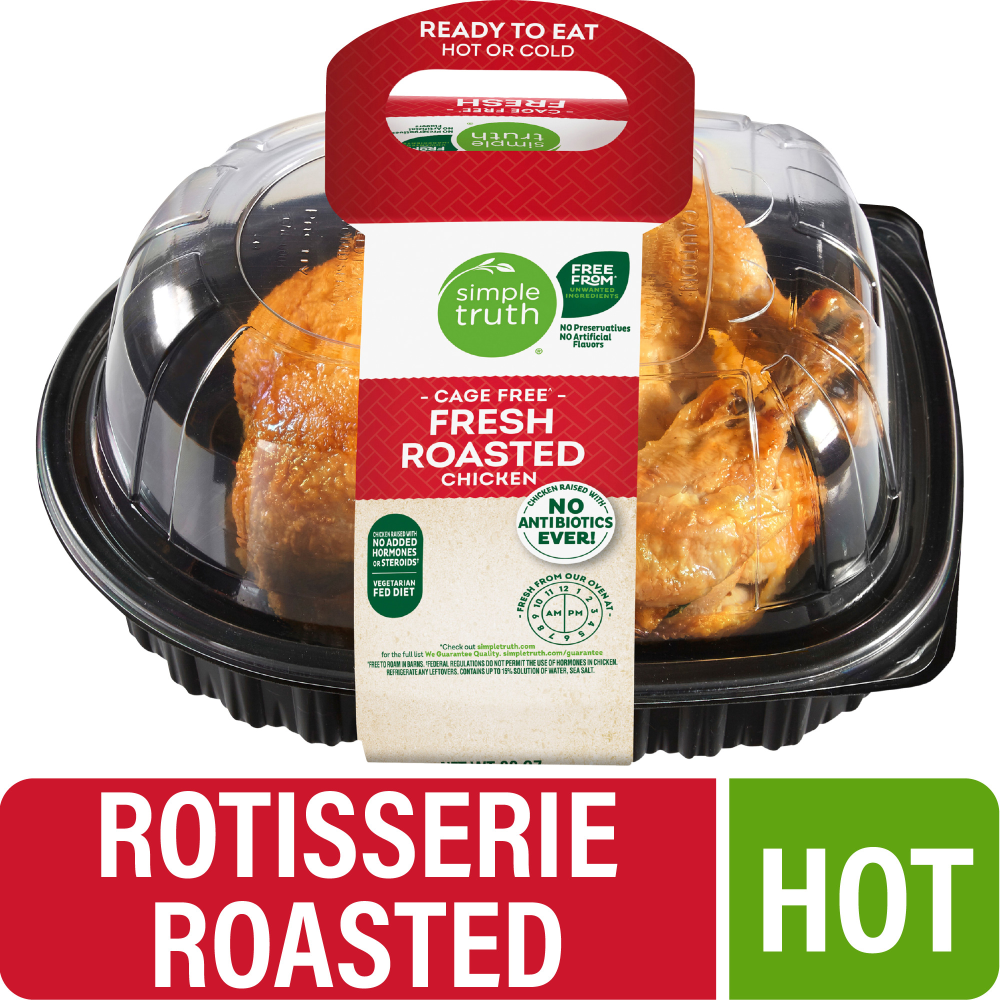

Chef Hak's Creamy Tuscan-Style Roasted Chicken
Analysis updated August 2026 · How Scout scores
At a glance
Summary
This product features high-quality ingredients such as chicken breast, olive oil, and Parmesan cheese, which contribute beneficial nutrients like lean protein and healthy fats. The presence of natural herbs and spices, along with minimal additives, enhances its nutritional profile. However, as a processed food, it is subject to a processing score cap, which limits its maximum potential rating despite the clean ingredient list.
Key ingredients 15
Olive oilVery Good
Olive oil is a high-quality monounsaturated fat with anti-inflammatory properties. It contains antioxidants that support heart health. Cold-pressed extraction preserves beneficial compounds.
Benefits
Rich in monounsaturated fats that support heart health and provide anti-inflammatory properties. Contains antioxidants like vitamin E and polyphenols that may reduce oxidative stress.
Chicken breastGood
Chicken breast is a high-quality source of lean protein. It provides essential amino acids necessary for muscle repair and growth. The presence of rib meat adds flavor and additional nutrients.
Benefits
Rich in protein, which is essential for muscle building and repair. Low in fat, making it a healthy choice for maintaining a balanced diet.
Sea saltGood
Sea salt is a natural source of sodium and trace minerals. It is less processed than regular table salt, retaining more of its natural mineral content. It enhances flavor without the need for artificial additives.
Risks
Excessive consumption can lead to high blood pressure and other cardiovascular issues.
Benefits
Provides essential minerals and enhances the flavor of foods naturally.
Parmesan cheeseGood
Parmesan cheese is a good source of calcium and protein. It is made from pasteurized milk and contains beneficial bacteria from cheese cultures. The aging process enhances its flavor and digestibility.
Risks
Contains lactose, which may be a concern for those with lactose intolerance.
Benefits
Provides calcium and protein, supporting bone health and muscle function. The aging process reduces lactose content, making it easier to digest for some individuals.
BasilGood
Basil is a fresh herb rich in antioxidants and essential oils. It adds flavor and aroma to dishes without adding calories. Its natural compounds may have anti-inflammatory and antimicrobial properties.
Benefits
Rich in antioxidants and essential oils that may support immune health and reduce inflammation.
Heavy creamGood
Beneficial ingredient — whole-food or functional value in this product class.
Risks
High in saturated fat, which can contribute to heart disease if consumed in excess.
Benefits
Adds richness and flavor to dishes, enhancing the culinary experience.
Sundried tomatoesGood
Sundried tomatoes are rich in vitamins, minerals, and antioxidants. They are made by drying ripe tomatoes, concentrating their nutrients and flavor. They add a tangy, sweet flavor to dishes and are a good source of lycopene.
Risks
May contain added salt or preservatives, which could be a concern for those monitoring sodium intake.
Benefits
Rich in antioxidants like lycopene, which may support heart health and reduce cancer risk.
Shiitake mushroomsGood
Shiitake mushrooms are a source of vitamins, minerals, and unique polysaccharides. They are known for their umami flavor and potential immune-boosting properties. They contain compounds that may support heart health and reduce inflammation.
Benefits
Provides vitamins and minerals, and may support immune function and heart health.
Black pepperGood
Black pepper is a spice that adds flavor and has potential health benefits. It contains piperine, which may enhance nutrient absorption and have anti-inflammatory effects. It is a natural ingredient used to enhance the taste of foods.
Benefits
May enhance nutrient absorption and provide anti-inflammatory benefits.
GarlicGood
Garlic is known for its flavor and potential health benefits, including antimicrobial and cardiovascular support. It contains allicin, which may have antioxidant and anti-inflammatory properties. It is a natural ingredient that enhances the flavor of dishes.
Benefits
May support cardiovascular health and provide antimicrobial benefits.
Cultured dextroseNeutral
Cultured dextrose is used as a natural preservative to inhibit spoilage. It is derived from the fermentation of dextrose by beneficial bacteria. It is considered a cleaner alternative to synthetic preservatives.
Benefits
Acts as a natural preservative, extending the shelf life of products without synthetic additives.
CornstarchNeutral
Cornstarch is a carbohydrate used as a thickening agent in sauces and soups. It is derived from the endosperm of corn kernels. It is a common ingredient in cooking, providing texture without altering flavor.
Benefits
Provides a smooth texture to sauces and soups without altering their flavor.
Chicken fatNeutral
Chicken fat is used to enhance flavor and provide a source of energy. It is rendered from chicken and contains both saturated and unsaturated fats. While it adds flavor, it should be consumed in moderation due to its fat content.
Risks
High in saturated fat, which can contribute to heart disease if consumed in excess.
Benefits
Enhances flavor and provides a source of energy.
Lemon juice concentrateNeutral
Lemon juice concentrate is used to add acidity and flavor to dishes. It is made by removing water from lemon juice, concentrating its flavor and nutrients. It acts as a natural preservative and flavor enhancer.
Benefits
Adds flavor and acidity, enhancing the taste of dishes naturally.
Yeast extractBad
Concentrated glutamate source — MSG-adjacent flavor enhancer.
Risks
May contain naturally occurring glutamates, which some individuals are sensitive to.
Benefits
Enhances flavor naturally, reducing the need for artificial additives.
Processing
Processed Foods
Get the full breakdown in the Scout appTake Scout shopping
Scan any product to see lab results, healthy alternatives, and your personalized analysis.
Download on theApp Store GET IT ONGoogle Play