




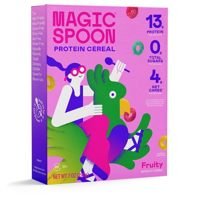
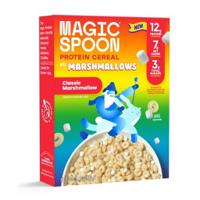
Magic Spoon Protein Treats
Magic SpoonAnalysis updated July 2026 · How Scout scores
At a glance
Summary
This protein supplement contains beneficial ingredients like casein and whey protein concentrate, which provide high-quality protein for muscle growth and recovery. However, the presence of palm kernel oil and palm oil, both high in saturated fats and environmentally concerning, detracts from its overall healthiness. Additionally, the use of natural flavors and sunflower lecithin, while common, adds to the processing level and reduces the product's clean label appeal.
Key ingredients 17
CaseinGood
Casein is a high-quality animal-based protein that provides a complete amino acid profile. It is slowly digested, which can help with muscle recovery and sustained protein release. This makes it beneficial for muscle maintenance and growth.
Benefits
Rich in essential amino acids, supporting muscle repair and growth.
Almond ButterGood
Almond butter is a nutrient-dense food rich in healthy fats, protein, and vitamins. It provides monounsaturated fats that support heart health and is a good source of vitamin E. Its natural composition makes it a beneficial ingredient in moderation.
Risks
Potential allergen for individuals with nut allergies.
Benefits
Rich in monounsaturated fats and vitamin E, supporting heart health and providing antioxidant benefits.
Whey Protein ConcentrateGood
Whey protein concentrate is a high-quality protein source derived from milk, offering a complete amino acid profile. It supports muscle growth and recovery, making it ideal for athletes and active individuals. Its bioavailability and digestibility are superior to many other protein sources.
Risks
Potential allergen for individuals with dairy sensitivities.
Benefits
Excellent source of complete protein, supporting muscle repair and growth.
InulinGood
Inulin is a prebiotic fiber that supports gut health by promoting the growth of beneficial bacteria. It is derived from plants like chicory root and can improve digestive health and nutrient absorption. Its inclusion in the diet can aid in maintaining a healthy gut microbiome.
Risks
May cause digestive discomfort or bloating in some individuals.
Benefits
Supports gut health by promoting beneficial bacteria growth.
CreamGood
Traditional whole-fat dairy ingredient.
Risks
High in saturated fats, which may contribute to heart disease if consumed in excess.
Benefits
Adds richness and flavor to foods, enhancing palatability.
AlluloseNeutral
Standard formulation ingredient — neither beneficial nor harmful at typical use.
Risks
May cause digestive discomfort or bloating in sensitive individuals.
Benefits
Provides sweetness with minimal caloric impact, making it suitable for low-calorie diets.
Tapioca FiberNeutral
Tapioca fiber is a source of dietary fiber that can aid in digestion and promote a feeling of fullness. It is derived from the cassava root and is often used as a filler in processed foods. While it adds fiber, it does not provide significant nutritional benefits beyond that.
Benefits
Contributes to dietary fiber intake, supporting digestive health.
GlycerinNeutral
Glycerin is a sugar alcohol used as a sweetener and humectant in food products. It is generally recognized as safe and does not significantly impact blood sugar levels. However, excessive consumption may lead to digestive issues.
Risks
Excessive consumption may cause digestive discomfort or laxative effects.
Benefits
Provides sweetness and moisture retention without impacting blood sugar significantly.
Tapioca StarchNeutral
Tapioca starch is a gluten-free thickening agent derived from the cassava root. It is commonly used in processed foods to improve texture and consistency. While it is a source of carbohydrates, it does not offer significant nutritional benefits.
Benefits
Provides texture and consistency in food products without gluten.
Edible GlitterNeutral
Edible glitter is used for decorative purposes and is made from food-safe ingredients like gum arabic and natural color extracts. It does not contribute to the nutritional profile of the product. While visually appealing, it offers no health benefits.
Benefits
Provides visual appeal without impacting nutritional content.
SaltNeutral
Salt is used to enhance flavor and preserve food. While necessary for bodily functions, excessive intake can lead to health issues such as hypertension. In moderation, it is a standard component of many diets.
Risks
Excessive consumption may lead to hypertension and cardiovascular issues.
Benefits
Essential for maintaining fluid balance and nerve function in the body.
Stevia Leaf ExtractNeutral
Stevia leaf extract is a natural sweetener derived from the stevia plant, offering sweetness without calories. It is considered safe and does not affect blood sugar levels. Its natural origin makes it a preferable alternative to artificial sweeteners.
Benefits
Provides sweetness without calories, suitable for low-calorie diets.
Monkfruit ExtractNeutral
Monkfruit extract is a natural sweetener that provides sweetness without impacting blood sugar levels. It is derived from the monk fruit and is considered safe for consumption. Its natural origin makes it a good alternative to artificial sweeteners.
Benefits
Offers sweetness without calories, making it suitable for sugar-free diets.
Palm Kernel OilBad
Palm kernel oil is high in saturated fats and is often criticized for its environmental impact due to deforestation. It is heavily processed and lacks significant nutritional benefits. Its high saturated fat content can contribute to heart disease if consumed in excess.
Risks
High in saturated fats, which may increase the risk of heart disease.
Palm OilBad
Palm oil is a common ingredient in processed foods, high in saturated fats and associated with environmental concerns. Its consumption is linked to increased cholesterol levels and potential heart health risks. The processing methods often strip it of beneficial nutrients.
Risks
High in saturated fats, potentially increasing cholesterol levels and heart disease risk.
Natural FlavorBad
Natural flavor is a catch-all term for flavoring agents derived from natural sources but often processed with additives. The lack of transparency in its composition can be concerning for consumers seeking clean labels. It may contain a variety of substances not disclosed on the label.
Risks
Lack of transparency in composition may pose concerns for those with allergies or sensitivities.
Sunflower LecithinBad
Sunflower lecithin is an emulsifier used to improve texture and mixability in food products. While it is less processed than soy lecithin, it still undergoes significant processing. It does not offer nutritional benefits and is primarily used for its functional properties.
Benefits
Improves texture and mixability in food products.
Processing
Ultra-Processed Foods
Get the full breakdown in the Scout appTake Scout shopping
Scan any product to see lab results, healthy alternatives, and your personalized analysis.
Download on theApp Store GET IT ONGoogle PlayAmazon pricing & content
Amazon price as of . Product prices and availability are accurate as of the date/time indicated and are subject to change. Any price and availability information displayed on Amazon.com at the time of purchase will apply to the purchase of this product.
CERTAIN CONTENT THAT APPEARS ON THIS SITE COMES FROM AMAZON. THIS CONTENT IS PROVIDED “AS IS” AND IS SUBJECT TO CHANGE OR REMOVAL AT ANY TIME.