





At a glance
Summary
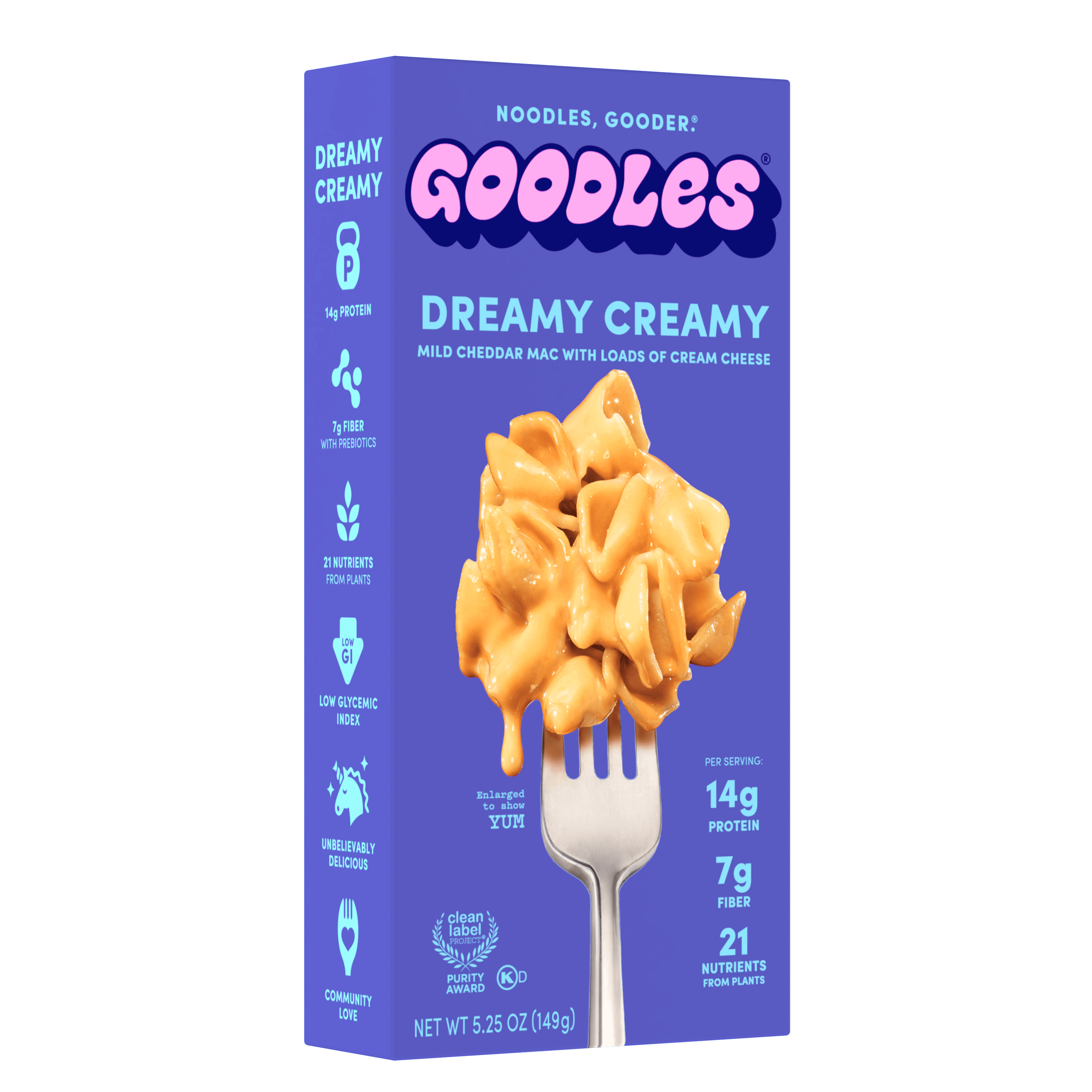
This product contains a mix of whole and processed ingredients, including a cheddar cheese blend and butter, which provide beneficial nutrients like protein and calcium. However, the presence of disodium phosphate and the processed nature of the macaroni contribute to its processing level, limiting its score. The inclusion of natural colorants and a plant powder blend adds some nutritional value, but the overall processing level and presence of additives prevent a higher rating.
Key ingredients 7
Cheddar cheese blendGood
Cheddar cheese blend provides protein and calcium, essential for bone health. It includes cultured milk and microbial enzyme, indicating a traditional cheese-making process. The presence of natural colorants like annatto and paprika is preferable to artificial dyes.
Risks
High in saturated fat and sodium, which may be a concern for heart health if consumed in excess.
Benefits
Rich in calcium and protein, supporting bone health and muscle maintenance.
ButterGood
Butter is a natural source of fat, providing flavor and richness. It contains fat-soluble vitamins like A, D, E, and K. When sourced from grass-fed cows, it may contain higher levels of beneficial omega-3 fatty acids.
Risks
High in saturated fat, which can impact heart health if consumed in large amounts.
Benefits
Provides fat-soluble vitamins and can enhance the absorption of other nutrients.
Macaroni pastaNeutral
Macaroni pasta is a staple carbohydrate source made from wheat flour. It provides energy but lacks significant nutritional benefits beyond carbohydrates. The inclusion of chickpea and wheat protein adds some protein content.
Risks
Contains gluten, which may be a concern for individuals with celiac disease or gluten sensitivity.
Benefits
Provides a source of carbohydrates for energy. The added proteins can contribute to daily protein intake.
SaltNeutral
Salt is used to enhance flavor and preserve food. It is a common culinary ingredient but does not provide additional nutritional benefits. Excessive intake can lead to health issues like hypertension.
Risks
High sodium intake is associated with increased risk of hypertension and cardiovascular diseases.
Benefits
Essential for maintaining fluid balance and nerve function in the body.
Tapioca flourNeutral
Tapioca flour is a gluten-free starch used as a thickening agent. It is derived from the cassava root and is highly processed. It provides carbohydrates but lacks significant nutritional value.
Benefits
Useful as a gluten-free thickening agent in cooking and baking.
SugarsNeutral
Sugars, including dried maple syrup, provide sweetness and energy. While maple syrup is a natural sweetener, it is still a source of added sugars. Excessive consumption can lead to health issues like obesity and diabetes.
Risks
High sugar intake is linked to obesity, diabetes, and dental issues.
Benefits
Provides a natural source of sweetness and energy.
Lactic acidNeutral
Lactic acid is used as a preservative and flavoring agent. It is naturally occurring and generally recognized as safe. It can help maintain the acidity and flavor profile of foods.
Benefits
Helps preserve food and enhance flavor by maintaining acidity.
Processing
Processed Foods
Get the full breakdown in the Scout appTake Scout shopping
Scan any product to see lab results, healthy alternatives, and your personalized analysis.
Download on theApp Store GET IT ONGoogle Play