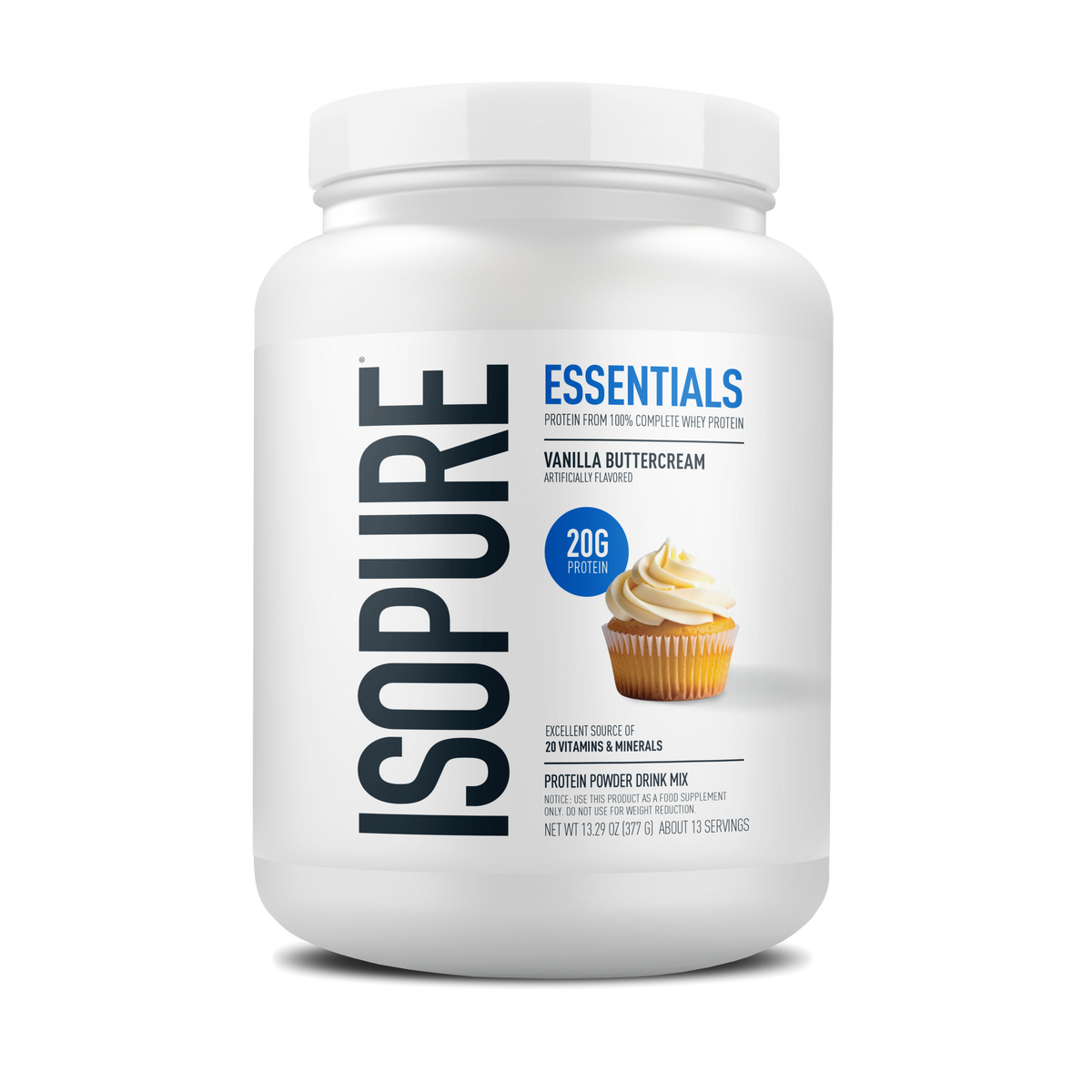
PROTEIN MEAL POWDER, VANILLA BEAN

At a glance
Summary
This protein meal powder contains high-quality ingredients like GMO-free whey protein concentrate and organic superfoods, which support muscle growth and provide sustained energy. However, the inclusion of sunflower oil, a seed oil high in omega-6 fatty acids, and the use of natural vanilla flavor, which lacks transparency, slightly detract from its overall health profile. The product is moderately processed with several additives, but it maintains a balance of beneficial components and minimal harmful ingredients. Its plastic packaging can shed microplastics into the product and lowers its score.
Key ingredients 35
Whey Protein ConcentrateGood
Whey protein concentrate is a high-quality animal-based protein source with a rich amino acid profile. It is GMO-free and rbgh-free, indicating a cleaner production process. This protein supports muscle growth and recovery.
Benefits
Provides essential amino acids necessary for muscle repair and growth.
Organic Ground OatsGood
Organic ground oats are a whole grain source of complex carbohydrates and fiber. Being organic, they are free from synthetic pesticides and fertilizers. They provide sustained energy and support digestive health.
Benefits
Rich in beta-glucans, which can help lower cholesterol levels and improve heart health.
Organic Quinoa SeedsGood
Quinoa seeds are a complete protein source containing all essential amino acids. As an organic ingredient, they are grown without harmful chemicals. They are also rich in fiber and minerals.
Benefits
Provides a complete protein source and is high in magnesium and iron.
Organic Chia SeedsGood
Chia seeds are high in omega-3 fatty acids, fiber, and protein. Being organic, they are free from synthetic additives. They support heart health and provide sustained energy.
Benefits
Rich in antioxidants and can help improve digestive health.
ProbioticsGood
Probiotics such as Lactobacillus acidophilus, B. longum, and L. plantarum support gut health by promoting a healthy balance of gut bacteria. They are included in the digestive meal complex to enhance digestion.
Benefits
May improve digestive health and boost the immune system.
Mixed TocopherolsGood
Beneficial ingredient — whole-food or functional value in this product class.
Benefits
Helps preserve the freshness of the product by preventing oxidation.
NiacinamideGood
Vitamin B3 — evidence-backed skin and metabolic benefits.
Risks
High doses may cause flushing or liver issues.
Benefits
Supports energy metabolism and skin health.
Ascorbic AcidGood
Vitamin C — beneficial even when serving as a preservative.
Risks
High doses may cause digestive issues such as diarrhea.
Benefits
Supports immune health and acts as an antioxidant.
Pyridoxine HydrochlorideGood
Beneficial ingredient — whole-food or functional value in this product class.
Risks
High doses may cause nerve damage.
Benefits
Supports energy metabolism and brain health.
RiboflavinGood
Essential B vitamin — beneficial micronutrient.
Benefits
Supports energy metabolism and antioxidant function.
BiotinGood
Beneficial ingredient — whole-food or functional value in this product class.
Benefits
Supports energy metabolism and hair, skin, and nail health.
CelluloseNeutral
Cellulose is a plant-based fiber used as a thickener and stabilizer. It is not absorbed by the body and adds bulk to the product. It is generally considered safe and inert.
Benefits
Adds bulk and texture to the product without adding calories.
Monk FruitNeutral
Monk fruit is a natural sweetener that provides sweetness without calories. It is derived from the monk fruit plant and is considered safe for consumption. It is used as a sugar alternative in the product.
Benefits
Provides sweetness without impacting blood sugar levels.
Stevia Leaf ExtractNeutral
Stevia leaf extract is a natural, zero-calorie sweetener. It is derived from the stevia plant and is used to provide sweetness without calories. It is generally considered safe and does not affect blood sugar levels.
Benefits
Provides sweetness without adding calories or affecting blood sugar.
Calcium PhosphateNeutral
Calcium phosphate is used as a mineral supplement to provide calcium and phosphorus. It is commonly used in fortified foods and supplements. It supports bone health.
Risks
Excessive intake may lead to imbalances in calcium and phosphorus levels.
Benefits
Supports bone health by providing essential minerals.
Magnesium OxideNeutral
Magnesium oxide is a mineral supplement used to provide magnesium. It is commonly used in supplements to support muscle and nerve function. It is less bioavailable than other forms of magnesium.
Risks
High doses may cause digestive issues such as diarrhea.
Benefits
Supports muscle and nerve function by providing magnesium.
Sodium AscorbateNeutral
Sodium ascorbate is a form of vitamin C used as an antioxidant and to support immune health. It is less acidic than ascorbic acid, making it gentler on the stomach. It is commonly used in supplements.
Benefits
Supports immune health and acts as an antioxidant.
Ferric OrthophosphateNeutral
Ferric orthophosphate is an iron supplement used to prevent or treat iron deficiency. It is commonly used in fortified foods and supplements. It supports red blood cell production.
Risks
Excessive intake may lead to iron overload and related health issues.
Benefits
Supports red blood cell production and prevents iron deficiency.
Zinc GluconateNeutral
Zinc gluconate is a form of zinc used to support immune function and wound healing. It is commonly used in supplements and fortified foods. It is generally considered safe.
Risks
High doses may cause nausea or interfere with copper absorption.
Benefits
Supports immune function and wound healing.
Calcium PantothenateNeutral
Calcium pantothenate is a form of vitamin B5 used to support energy metabolism and adrenal function. It is commonly used in supplements and fortified foods. It is generally considered safe.
Benefits
Supports energy metabolism and adrenal function.
Vitamin A PalmitateNeutral
Vitamin A palmitate is a form of vitamin A used to support vision and immune health. It is commonly used in supplements and fortified foods. It is generally considered safe.
Risks
Excessive intake may lead to vitamin A toxicity.
Benefits
Supports vision and immune health.
Manganese GluconateNeutral
Manganese gluconate is a form of manganese used to support bone health and metabolism. It is commonly used in supplements and fortified foods. It is generally considered safe.
Risks
Excessive intake may lead to neurological issues.
Benefits
Supports bone health and metabolism.
Thiamin MononitrateNeutral
Thiamin mononitrate is a form of vitamin B1 used to support energy metabolism and nerve function. It is commonly used in supplements and fortified foods. It is generally considered safe.
Benefits
Supports energy metabolism and nerve function.
ErgocalciferolNeutral
Ergocalciferol is a form of vitamin D2 used to support bone health and calcium absorption. It is commonly used in supplements and fortified foods. It is generally considered safe.
Risks
Excessive intake may lead to vitamin D toxicity.
Benefits
Supports bone health and calcium absorption.
Folic AcidNeutral
Folic acid is a form of vitamin B9 used to support cell division and prevent neural tube defects. It is commonly used in supplements and fortified foods. It is generally considered safe.
Risks
High doses may mask vitamin B12 deficiency.
Benefits
Supports cell division and prevents neural tube defects.
Potassium IodideNeutral
Potassium iodide is a form of iodine used to support thyroid function. It is commonly used in supplements and fortified foods. It is generally considered safe.
Risks
Excessive intake may lead to thyroid dysfunction.
Benefits
Supports thyroid function and hormone production.
Chromium ChlorideNeutral
Chromium chloride is a form of chromium used to support glucose metabolism. It is commonly used in supplements and fortified foods. It is generally considered safe.
Risks
High doses may cause digestive issues or kidney damage.
Benefits
Supports glucose metabolism and insulin sensitivity.
PhytonadioneNeutral
Phytonadione is a form of vitamin K1 used to support blood clotting and bone health. It is commonly used in supplements and fortified foods. It is generally considered safe.
Benefits
Supports blood clotting and bone health.
Alpha Tocopherol AcetateNeutral
Alpha tocopherol acetate is a form of vitamin E used as an antioxidant to protect cells from damage. It is commonly used in supplements and fortified foods. It is generally considered safe.
Risks
High doses may increase the risk of bleeding.
Benefits
Acts as an antioxidant and supports immune function.
Disodium PhosphateNeutral
Disodium phosphate is used as an emulsifier and stabilizer in food products. It helps maintain texture and consistency. It is generally considered safe in small amounts.
Risks
Excessive intake may lead to imbalances in phosphate levels.
Benefits
Helps maintain texture and consistency in food products.
SiliconNeutral
Silicon is used as an anti-caking agent to prevent clumping in powdered products. It is generally considered safe and inert. It helps maintain the free-flowing nature of the product.
Benefits
Prevents clumping and maintains the free-flowing nature of the product.
CyanocobalaminNeutral
Cyanocobalamin is a form of vitamin B12 used to support energy metabolism and nerve function. It is commonly used in supplements and fortified foods. It is generally considered safe.
Benefits
Supports energy metabolism and nerve function.
Sunflower LecithinBad
Sunflower lecithin is used as an emulsifier and is less processed than soy lecithin. However, it is still a refined product and not a whole food. It helps improve texture and mixability in the product.
Risks
May cause digestive issues in sensitive individuals.
Benefits
Improves the texture and stability of the product.
Natural Vanilla FlavorBad
Natural vanilla flavor is a catch-all term that can include various compounds derived from vanilla. It lacks transparency and may include additives. It is used to enhance the flavor of the product.
Risks
Lack of transparency in ingredient sourcing and potential for undisclosed additives.
Sunflower OilVery Bad
Sunflower oil is a seed oil high in omega-6 fatty acids, which can promote inflammation when consumed in excess. It is included in the healthy energy complex but is not high-oleic, which would be less inflammatory.
Risks
High omega-6 content may promote inflammation and contribute to chronic diseases when consumed in excess.
Processing
Ultra-Processed Foods
Get the full breakdown in the Scout appTake Scout shopping
Scan any product to see lab results, healthy alternatives, and your personalized analysis.