


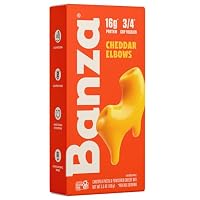
Banza ELBOWS WITH WHITE CHEDDAR
Analysis updated August 2026 · How Scout scores
At a glance
Summary
This product features chickpea pasta and cheddar cheese, which provide beneficial nutrients like protein, fiber, and calcium. However, it includes additives such as xanthan gum and disodium phosphate, which are highly processed and offer no nutritional benefits. The presence of these additives and the processed nature of the product limit its overall health score.
Key ingredients 13
ChickpeasGood
Chickpeas are a good source of plant-based protein and fiber, supporting digestive health. They are minimally processed and retain most of their natural nutrients. Chickpeas also provide essential vitamins and minerals like folate and iron.
Benefits
Rich in protein and fiber, which can aid in digestion and provide a feeling of fullness. Contains essential nutrients that support overall health.
Cheddar cheeseGood
Cheddar cheese is a source of calcium and protein, beneficial for bone health and muscle maintenance. It is made from cultured pasteurized milk, which retains essential nutrients. The aging process enhances flavor and nutrient concentration.
Risks
High in saturated fats, which should be consumed in moderation.
Benefits
Provides calcium and protein, supporting bone and muscle health. Contains beneficial bacteria from the culturing process.
Cultured whole milkGood
Cultured whole milk is rich in probiotics, which support gut health and digestion. It is minimally processed and retains the natural nutrients of milk. The culturing process enhances its probiotic content, beneficial for the digestive system.
Benefits
Supports gut health with probiotics and provides essential nutrients like calcium and protein.
TapiocaNeutral
Tapioca is a starch extracted from cassava root, often used as a thickening agent. It is highly processed and primarily provides carbohydrates with little nutritional value. While it is gluten-free, it lacks significant vitamins or minerals.
Benefits
Provides a gluten-free carbohydrate source, suitable for those with gluten intolerance.
Pea proteinNeutral
Pea protein is a plant-based protein source that is often used in vegan and vegetarian products. It is processed to isolate the protein content, which can be beneficial for muscle maintenance. However, it may not provide as complete an amino acid profile as animal-based proteins.
Risks
May cause digestive discomfort in some individuals due to its high fiber content.
Benefits
Offers a plant-based protein option that supports muscle maintenance and repair.
Xanthan gumNeutral
Fermentation-derived thickener, well tolerated at food-use levels.
Risks
May cause bloating and gas in sensitive individuals.
Benefits
Improves texture and stability of food products, enhancing mouthfeel.
Nonfat dry milkNeutral
Nonfat dry milk is a dehydrated form of milk that retains most of its nutrients. It is a convenient source of calcium and protein but lacks the fat content of whole milk. The drying process allows for long shelf life without refrigeration.
Benefits
Offers a convenient source of calcium and protein, supporting bone health.
Dry buttermilkNeutral
Dry buttermilk is a dehydrated dairy product that provides a tangy flavor and some protein. It is processed to remove moisture, extending shelf life. While it adds flavor, it does not offer significant nutritional benefits.
Benefits
Adds flavor and some protein content to food products.
SaltNeutral
Salt is used as a seasoning and preservative in many foods. It is essential for maintaining fluid balance and nerve function. However, excessive consumption can lead to health issues such as hypertension.
Risks
Excessive intake may contribute to high blood pressure and cardiovascular issues.
Benefits
Essential for maintaining fluid balance and proper nerve function.
Lactic acidNeutral
Lactic acid is a naturally occurring acid used to add tartness and act as a preservative. It is produced through fermentation and is generally recognized as safe. While it enhances flavor, it does not provide significant nutritional benefits.
Benefits
Enhances flavor and acts as a preservative in food products.
Citric acidNeutral
Citric acid is a natural acid found in citrus fruits, used as a preservative and flavor enhancer. It is widely used in the food industry and is generally recognized as safe. While it enhances flavor, it does not offer significant nutritional benefits.
Benefits
Enhances flavor and acts as a preservative in food products.
Silicon dioxideNeutral
Silicon dioxide is an anti-caking agent used to prevent clumping in powdered foods. It is naturally occurring and considered safe for consumption. While it improves product texture, it does not provide nutritional benefits.
Benefits
Prevents clumping in powdered foods, maintaining product quality.
Disodium phosphateBad
Disodium phosphate is an additive used to improve texture and emulsification in processed foods. It is highly processed and can contribute to an imbalance in phosphorus levels if consumed in excess. While it aids in food processing, it offers no nutritional benefits.
Risks
Excessive intake may lead to an imbalance in phosphorus levels, affecting bone health.
Benefits
Improves texture and emulsification in processed foods.
Processing
Processed Foods
Get the full breakdown in the Scout appTake Scout shopping
Scan any product to see lab results, healthy alternatives, and your personalized analysis.
Download on theApp Store GET IT ONGoogle PlayAmazon pricing & content
Amazon price as of . Product prices and availability are accurate as of the date/time indicated and are subject to change. Any price and availability information displayed on Amazon.com at the time of purchase will apply to the purchase of this product.
CERTAIN CONTENT THAT APPEARS ON THIS SITE COMES FROM AMAZON. THIS CONTENT IS PROVIDED “AS IS” AND IS SUBJECT TO CHANGE OR REMOVAL AT ANY TIME.