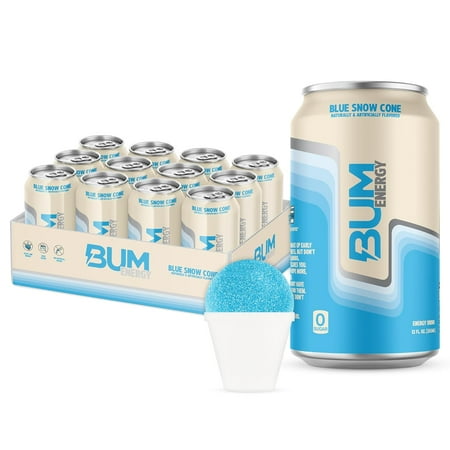
ENERGY DRINK CLASSIC
At a glance
Summary
This energy drink contains a mix of beneficial ingredients like taurine, L-glutamine, and various B vitamins, which support energy metabolism and cognitive function. However, it also includes artificial sweeteners such as acesulfame potassium and sucralose, as well as preservatives like sodium benzoate and potassium sorbate, which are common in ultra-processed products. The presence of caramel color and natural flavors further contributes to its processing level, impacting the overall score.
Key ingredients 19
TaurineGood
Taurine is an amino acid that supports neurological development and regulates water and mineral levels in the blood. It is often included in energy drinks for its potential to improve athletic performance. It is naturally found in meat and fish.
Benefits
May improve exercise performance and support cardiovascular health.
L-GlutamineGood
L-Glutamine is an amino acid that plays a role in immune function and intestinal health. It is often used in supplements to support muscle recovery. It is naturally produced by the body and found in many foods.
Benefits
Supports muscle recovery and immune function.
CaffeineGood
Caffeine is a natural stimulant that can enhance alertness and improve concentration. It is commonly used in energy drinks to boost energy levels. It is naturally found in coffee, tea, and some plants.
Risks
Excessive consumption can lead to insomnia, jitteriness, and increased heart rate.
Benefits
Enhances alertness and improves concentration.
NiacinamideGood
Niacinamide is a form of vitamin B3 that supports energy metabolism and skin health. It is included in energy drinks for its role in converting food into energy. It is water-soluble and found in many foods.
Benefits
Supports energy metabolism and skin health.
Calcium d-PantothenateGood
Calcium d-Pantothenate is a form of vitamin B5 that aids in energy production and fat metabolism. It is included in energy drinks to support overall energy levels. It is water-soluble and found in various foods.
Benefits
Aids in energy production and fat metabolism.
Pyridoxine HydrochlorideGood
Pyridoxine hydrochloride is a form of vitamin B6 that supports brain health and energy metabolism. It is included in energy drinks for its role in amino acid metabolism. It is water-soluble and found in many foods.
Benefits
Supports brain health and energy metabolism.
Panax Ginseng Root ExtractiveGood
Panax ginseng root extractive is used for its potential to boost energy and improve cognitive function. It is a traditional herbal remedy with adaptogenic properties. It is often included in energy drinks for its stimulating effects.
Risks
May cause insomnia or nervousness in sensitive individuals.
Benefits
May boost energy and improve cognitive function.
Elderberry Extract ConcentrateGood
Elderberry extract concentrate is used for its antioxidant properties and potential immune support. It is derived from elderberries, which are rich in vitamins and antioxidants. It is often included in health-focused beverages.
Benefits
Provides antioxidants and may support immune health.
American Ginseng Root ExtractGood
American ginseng root extract is used for its potential to enhance energy and reduce stress. It is a traditional herbal remedy with adaptogenic properties. It is often included in energy drinks for its calming effects.
Risks
May cause insomnia or nervousness in sensitive individuals.
Benefits
May enhance energy and reduce stress.
CyanocobalaminGood
Cyanocobalamin is a form of vitamin B12 that supports nerve function and red blood cell production. It is included in energy drinks to support energy metabolism. It is water-soluble and essential for overall health.
Benefits
Supports nerve function and red blood cell production.
Carbonated WaterNeutral
Carbonated water is simply water infused with carbon dioxide gas under pressure. It is a neutral ingredient with no significant health impacts. It serves as the base for many beverages, providing a fizzy texture.
See more about Carbonated Water →Citric AcidNeutral
Citric acid is a natural acid found in citrus fruits, used as a preservative and flavor enhancer. It is generally recognized as safe and is commonly used in food and beverages. It can enhance flavor without adding calories.
Risks
Excessive consumption may cause dental erosion.
Benefits
It can enhance flavor and act as a preservative.
Vegetable JuiceNeutral
Vegetable juice is used as a natural coloring agent in beverages. It provides color without artificial additives. It is derived from vegetables and does not significantly impact the nutritional profile of the product.
Benefits
Provides natural color without artificial additives.
Acesulfame PotassiumBad
Acesulfame potassium is an artificial sweetener used to provide sweetness without calories. It is often criticized for potential health concerns despite being approved by regulatory agencies. It is used in combination with other sweeteners to mask its bitter aftertaste.
Risks
May have potential health concerns related to long-term consumption.
Benefits
Provides sweetness without adding calories.
Sodium BenzoateBad
Sodium benzoate is a preservative used to prevent spoilage and extend shelf life. It is generally recognized as safe but can form benzene, a carcinogen, under certain conditions. It is commonly used in acidic foods and beverages.
Risks
Potential formation of benzene, a carcinogen, when combined with vitamin C.
Benefits
Prevents spoilage and extends shelf life.
Potassium SorbateBad
Potassium sorbate is a preservative used to inhibit mold and yeast growth. It is considered safe but may cause allergic reactions in some individuals. It is widely used in food and beverage products.
Risks
May cause allergic reactions in sensitive individuals.
Benefits
Inhibits mold and yeast growth, extending product shelf life.
Caramel ColorBad
Caramel color is a food coloring used to give products a brown hue. It is often criticized for containing potentially harmful byproducts like 4-MEI. It is used in many sodas and processed foods.
Risks
May contain 4-MEI, a potential carcinogen.
Benefits
Provides color to enhance product appearance.
SucraloseBad
Sucralose is an artificial sweetener used to provide sweetness without calories. It is controversial due to potential negative effects on gut health. It is often used in diet products.
Risks
May negatively affect gut health and insulin response.
Benefits
Provides sweetness without adding calories.
Natural FlavorBad
Natural flavor is a catch-all term for flavoring agents derived from natural sources. It lacks transparency and can include a wide range of substances. It is often used to enhance taste without disclosing specific ingredients.
Risks
Lack of transparency may hide undesirable additives.
Benefits
Enhances taste without adding calories.
Processing
Ultra-Processed Foods
Get the full breakdown in the Scout appTake Scout shopping
Scan any product to see lab results, healthy alternatives, and your personalized analysis.
Are you XS? Fix an error Get the badge Get tested