








Near you
Trader Joe's is carried at Trader Joe stores. Find one within 25 miles.
At a glance
Summary
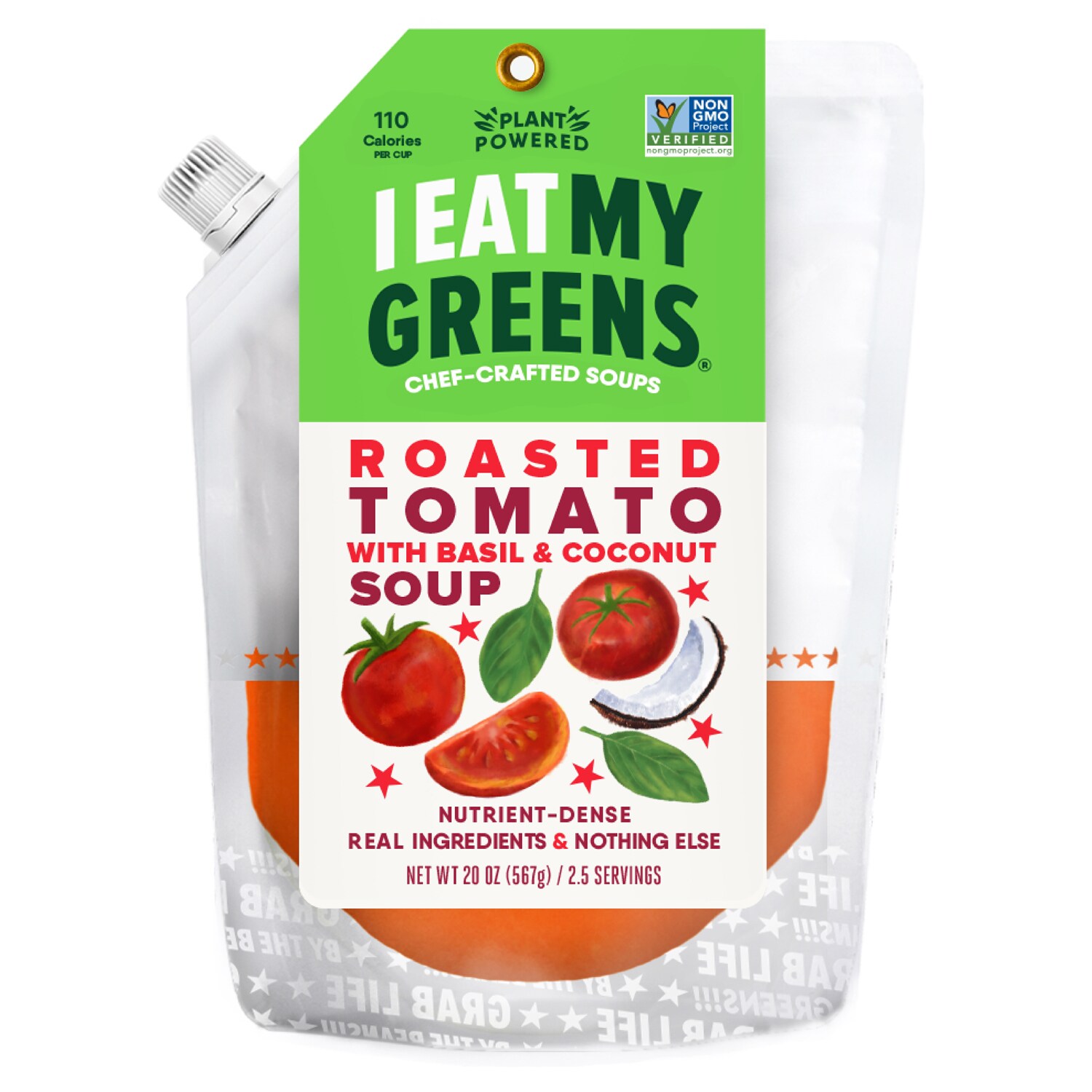
This soup contains a variety of nutrient-rich vegetables like tomato, pumpkin, and butternut squash, which contribute to its nutritional value. However, the presence of cane sugar and the use of citric acid as an acidifier indicate a moderate level of processing. Despite being processed, the ingredient list is relatively clean with minimal additives, which helps maintain a fair score.
Key ingredients 16
Tomato pureeGood
Tomato puree is a concentrated source of tomatoes, providing a rich supply of vitamins and antioxidants. It is minimally processed, retaining most of the nutritional benefits of fresh tomatoes. The puree is a good source of lycopene, which has been linked to various health benefits.
Benefits
Rich in vitamins A and C, and lycopene, which may support heart health and reduce inflammation.
Pumpkin pureeGood
Pumpkin puree is a nutrient-dense ingredient, high in vitamins and fiber. It is minimally processed, preserving its natural nutrients. The puree is an excellent source of beta-carotene, which the body converts into vitamin A.
Benefits
High in fiber and beta-carotene, supporting eye health and immune function.
OnionGood
Onions are a natural source of vitamins, minerals, and antioxidants. They are used fresh or dried, retaining their nutritional properties. Onions contain quercetin, a powerful antioxidant that may reduce inflammation.
Benefits
Provides antioxidants and compounds that may support heart health and reduce inflammation.
Butternut squashGood
Butternut squash is a nutrient-rich vegetable, high in vitamins and minerals. It is minimally processed, maintaining its natural health benefits. The squash is a good source of vitamins A and C, which are important for immune function.
Benefits
Rich in vitamins A and C, supporting immune health and providing antioxidant benefits.
CeleryGood
Celery is a low-calorie vegetable that provides fiber and essential nutrients. It is typically consumed fresh or dried, preserving its nutritional content. Celery contains antioxidants and anti-inflammatory compounds.
Benefits
Provides fiber and antioxidants, which may support digestive health and reduce inflammation.
CarrotGood
Carrots are a rich source of beta-carotene and other vitamins. They are minimally processed, retaining their nutritional value. Carrots are known for their high vitamin A content, which is beneficial for eye health.
Benefits
High in beta-carotene and fiber, supporting eye health and digestion.
Heavy creamGood
Beneficial ingredient — whole-food or functional value in this product class.
Risks
High in saturated fats, which may contribute to heart disease if consumed in excess.
Benefits
Provides a rich source of fat-soluble vitamins and adds creaminess to dishes.
Dried garlicGood
Dried garlic is a concentrated form of garlic, providing flavor and health benefits. It retains most of the beneficial compounds found in fresh garlic. Garlic is known for its potential to support heart health and immune function.
Benefits
Contains compounds that may support cardiovascular health and boost immunity.
Dried onionGood
Dried onion is a dehydrated form of onion, preserving its flavor and nutrients. It provides antioxidants and compounds that may support health. Onions are known for their potential anti-inflammatory and heart health benefits.
Benefits
Provides antioxidants and may support heart health.
Dried parsleyGood
Dried parsley is a herb rich in vitamins and antioxidants. It is minimally processed, retaining its nutritional properties. Parsley is known for its high vitamin K content, which is important for bone health.
Benefits
Rich in vitamins A, C, and K, supporting bone health and providing antioxidant benefits.
Dried rosemaryGood
Dried rosemary is a herb with antioxidant and anti-inflammatory properties. It is used to enhance flavor and has potential health benefits. Rosemary contains compounds that may improve digestion and circulation.
Benefits
Provides antioxidants and may support digestive health.
Sage powderGood
Sage powder is a herb known for its antioxidant and anti-inflammatory properties. It is used to enhance flavor and has potential health benefits. Sage may support cognitive health and improve digestion.
Benefits
Contains antioxidants and may support cognitive and digestive health.
ButterNeutral
Butter is a dairy product made from pasteurized cream and salt, providing a rich flavor and texture. It is a source of saturated fats and some vitamins. While it can enhance flavor, its high saturated fat content should be consumed in moderation.
Risks
High in saturated fats, which may increase cholesterol levels if consumed excessively.
Benefits
Contains fat-soluble vitamins and adds flavor to foods.
SaltNeutral
Salt is used to enhance flavor and preserve foods. It is a source of sodium, which is essential for various bodily functions. However, excessive sodium intake can lead to health issues such as hypertension.
Risks
Excessive consumption can lead to high blood pressure and increased risk of cardiovascular diseases.
Benefits
Essential for maintaining fluid balance and nerve function.
Citric acidNeutral
Citric acid is a natural acidifier used to enhance flavor and preserve foods. It is commonly found in citrus fruits and is generally recognized as safe. It helps maintain the acidity of foods, preventing spoilage.
Benefits
Acts as a natural preservative and enhances flavor.
Cane sugarBad
Cane sugar is a refined sugar used to sweeten foods. It is highly processed and provides empty calories without nutritional benefits. Excessive consumption of refined sugars is linked to various health issues, including obesity and diabetes.
Risks
High intake of refined sugars can lead to weight gain, insulin resistance, and increased risk of chronic diseases.
Processing
Processed Foods
Get the full breakdown in the Scout appTake Scout shopping
Scan any product to see lab results, healthy alternatives, and your personalized analysis.
Download on theApp Store GET IT ONGoogle Play