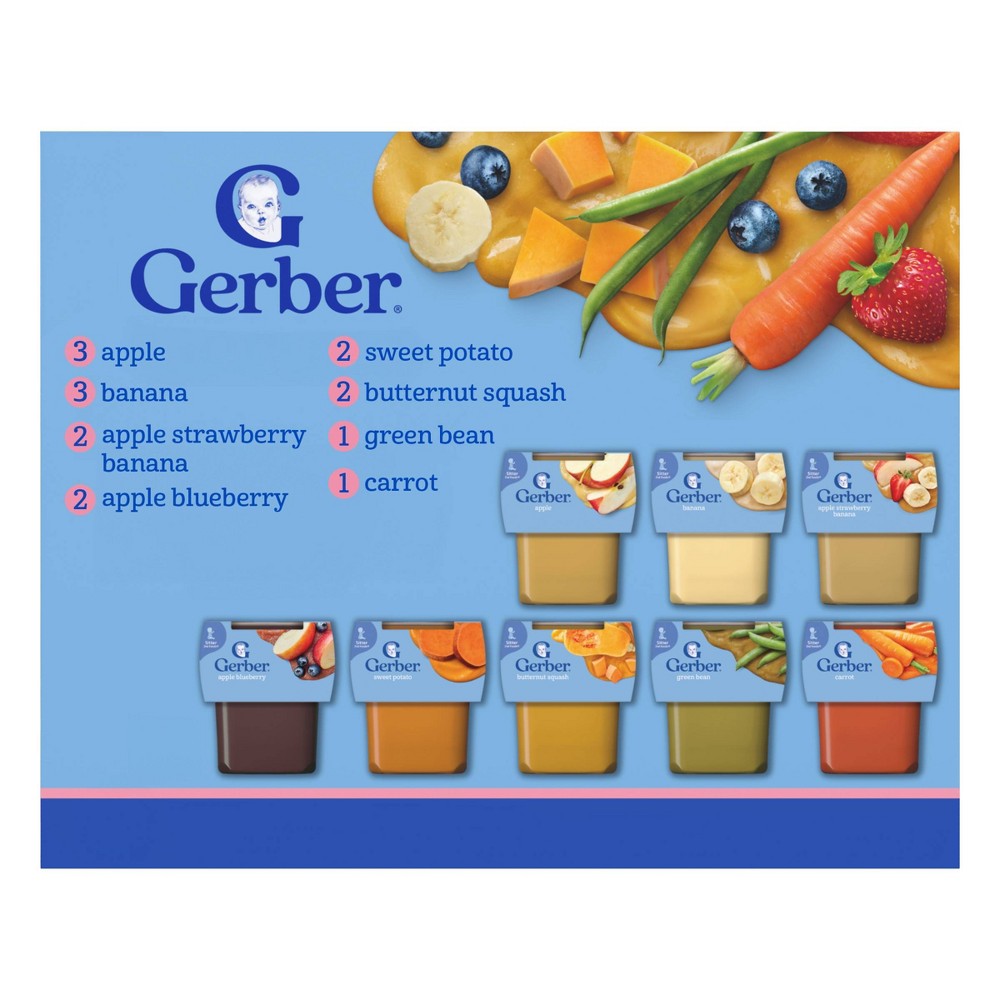
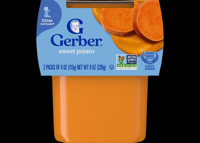
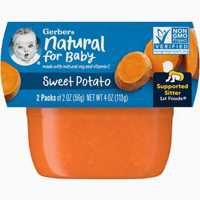
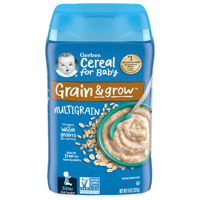
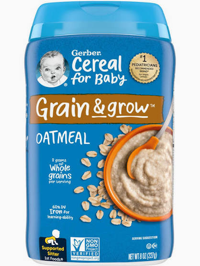
(Pack of 2) Gerber 2nd Foods Banana with Mixed Berry, 4 oz Tubs
Gerber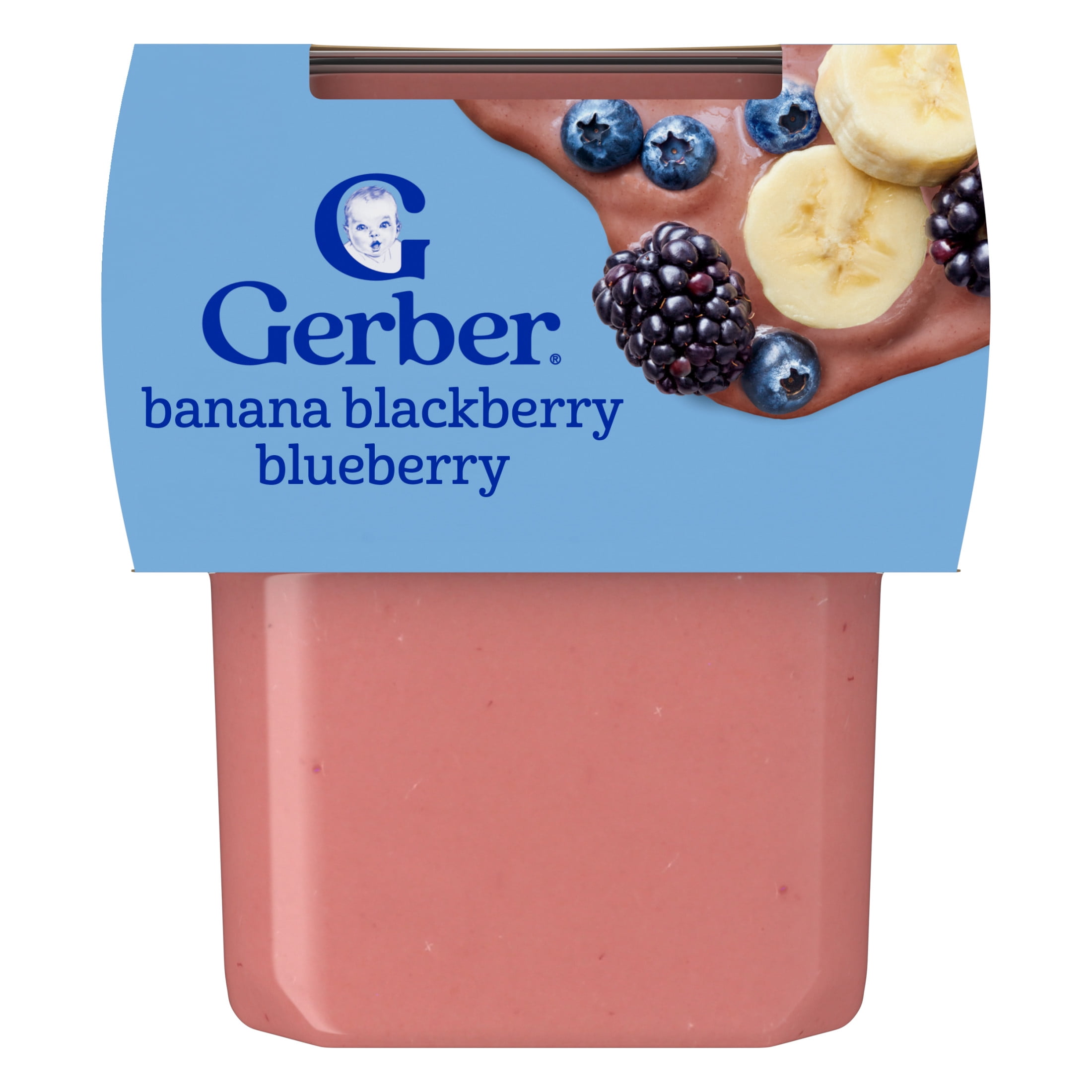
At a glance
Summary
This product is ultra-processed, containing multiple additives such as soy lecithin, sodium phosphate, and xanthan gum, which are common in processed foods. While it includes some beneficial vitamins and minerals, the presence of processed ingredients and emulsifiers limits its healthiness. The product's processing level and use of refined components prevent it from being rated higher despite its nutritional content.
Key ingredients 20
Egg whiteGood
Egg white is a high-quality protein source, providing essential amino acids. It is low in fat and cholesterol, making it a healthy protein option. It supports muscle maintenance and repair.
Benefits
Provides high-quality protein and essential amino acids, supporting muscle maintenance and repair.
NiacinGood
Niacin, also known as vitamin B3, is essential for energy metabolism and DNA repair. It is added to foods to prevent deficiencies and support overall health. It plays a role in maintaining healthy skin and nerves.
Benefits
Supports energy metabolism and DNA repair, contributing to overall health.
Thiamine mononitrateGood
Thiamine mononitrate is a form of vitamin B1, essential for energy metabolism and nerve function. It is added to foods to prevent deficiencies and support overall health. It plays a role in converting carbohydrates into energy.
Benefits
Supports energy metabolism and nerve function, contributing to overall health.
RiboflavinGood
Riboflavin, or vitamin B2, is essential for energy production and cellular function. It is added to foods to prevent deficiencies and support overall health. It helps convert food into energy and supports skin and eye health.
Benefits
Supports energy production and cellular function, contributing to overall health.
Folic acidGood
Folic acid is a form of vitamin B9, essential for DNA synthesis and cell division. It is added to foods to prevent neural tube defects during pregnancy and support overall health. It plays a crucial role in red blood cell formation.
Benefits
Supports DNA synthesis and cell division, contributing to overall health and preventing neural tube defects.
Cheddar cheeseNeutral
Cheddar cheese provides protein and calcium, essential for bone health. It is made from cultured milk, salt, and enzymes, which are standard cheese-making ingredients. However, it is high in saturated fat, which can be a concern if consumed in excess.
Risks
High saturated fat content may contribute to cardiovascular issues if consumed in large amounts.
Benefits
Provides calcium and protein, which are beneficial for bone health and muscle maintenance.
Modified corn starchNeutral
Modified corn starch is used as a thickening agent in many processed foods. It is derived from corn and undergoes chemical modification to enhance its properties. While it is generally safe, it offers little nutritional value.
See more about Modified corn starch →Potassium saltNeutral
Potassium salt is used as a salt substitute to reduce sodium content in foods. It can help maintain electrolyte balance and support heart health. However, excessive intake may lead to hyperkalemia, especially in individuals with kidney issues.
Risks
Excessive intake may lead to hyperkalemia, particularly in individuals with kidney problems.
Benefits
Helps maintain electrolyte balance and supports heart health.
Tricalcium phosphateNeutral
Tricalcium phosphate is used as a calcium supplement and anti-caking agent in food products. It provides a source of calcium, which is essential for bone health. However, it is a processed additive with no additional nutritional benefits.
Benefits
Provides a source of calcium, which is essential for bone health.
Lactic acidNeutral
Lactic acid is used as a preservative and acidity regulator in foods. It is naturally occurring and generally recognized as safe. It helps maintain the pH balance in food products.
Benefits
Helps maintain pH balance and acts as a preservative.
Yeast extractNeutral
Yeast extract is used to enhance flavor and provide umami taste in foods. It is a source of B vitamins and amino acids. However, it can be high in sodium and may contain glutamates, which some individuals are sensitive to.
Risks
May contain glutamates, which can cause sensitivity in some individuals.
Benefits
Provides B vitamins and amino acids, contributing to nutritional value.
Annatto and paprika extract colorsNeutral
Annatto and paprika extract colors are natural colorants used to enhance the appearance of food. They are derived from natural sources and are generally considered safe. They provide color without synthetic additives.
Benefits
Provide natural coloring without synthetic additives.
Zinc sulfateNeutral
Zinc sulfate is used as a dietary supplement to provide zinc, an essential mineral. It supports immune function and enzyme activity. However, excessive intake can lead to zinc toxicity.
Risks
Excessive intake can lead to zinc toxicity, causing nausea and other health issues.
Benefits
Supports immune function and enzyme activity as a source of zinc.
Acetic acidNeutral
Acetic acid is used as a preservative and acidity regulator in foods. It is the main component of vinegar and is generally recognized as safe. It helps preserve food by inhibiting bacterial growth.
Benefits
Helps preserve food by inhibiting bacterial growth and maintaining acidity.
Durum wheat semolinaNeutral
Durum wheat semolina is a type of wheat flour used in pasta products. It is a source of carbohydrates and provides energy. However, it is refined and lacks the fiber and nutrients found in whole grains.
Risks
May contribute to blood sugar spikes due to its refined nature.
Benefits
Provides carbohydrates for energy.
Ferrous sulfateNeutral
Ferrous sulfate is used as an iron supplement to prevent or treat iron deficiency anemia. It is an essential mineral for oxygen transport in the blood. However, excessive intake can lead to gastrointestinal issues.
Risks
Excessive intake can cause gastrointestinal issues such as constipation and nausea.
Benefits
Provides iron, essential for oxygen transport and preventing anemia.
Soy lecithinBad
Soy lecithin is an emulsifier derived from soybeans, often used to improve texture and shelf life. It is a processed ingredient and may contain traces of soy allergens. While generally recognized as safe, it is a refined product with minimal nutritional benefits.
Risks
May contain soy allergens, which can be a concern for individuals with soy allergies.
Sodium phosphateBad
Sodium phosphate is used as a preservative and emulsifier in processed foods. It can contribute to high sodium intake, which is a concern for cardiovascular health. It is a processed additive with minimal nutritional benefits.
Risks
High sodium intake can contribute to hypertension and cardiovascular issues.
Natural flavorsBad
Natural flavors are used to enhance the taste of food products. They are derived from natural sources but can be highly processed and lack transparency. The term 'natural' does not guarantee health benefits or quality.
Risks
Lack of transparency in sourcing and processing may pose concerns for individuals with allergies or sensitivities.
Xanthan gumBad
Xanthan gum is a thickening agent used in many processed foods. It is a polysaccharide produced by bacterial fermentation and can cause digestive issues in some individuals. It is a highly processed additive with minimal nutritional benefits.
Risks
May cause digestive issues such as bloating and gas in sensitive individuals.
Processing
Ultra-Processed Foods
Get the full breakdown in the Scout appTake Scout shopping
Scan any product to see lab results, healthy alternatives, and your personalized analysis.
Are you Gerber? Fix an error Get the badge Get tested