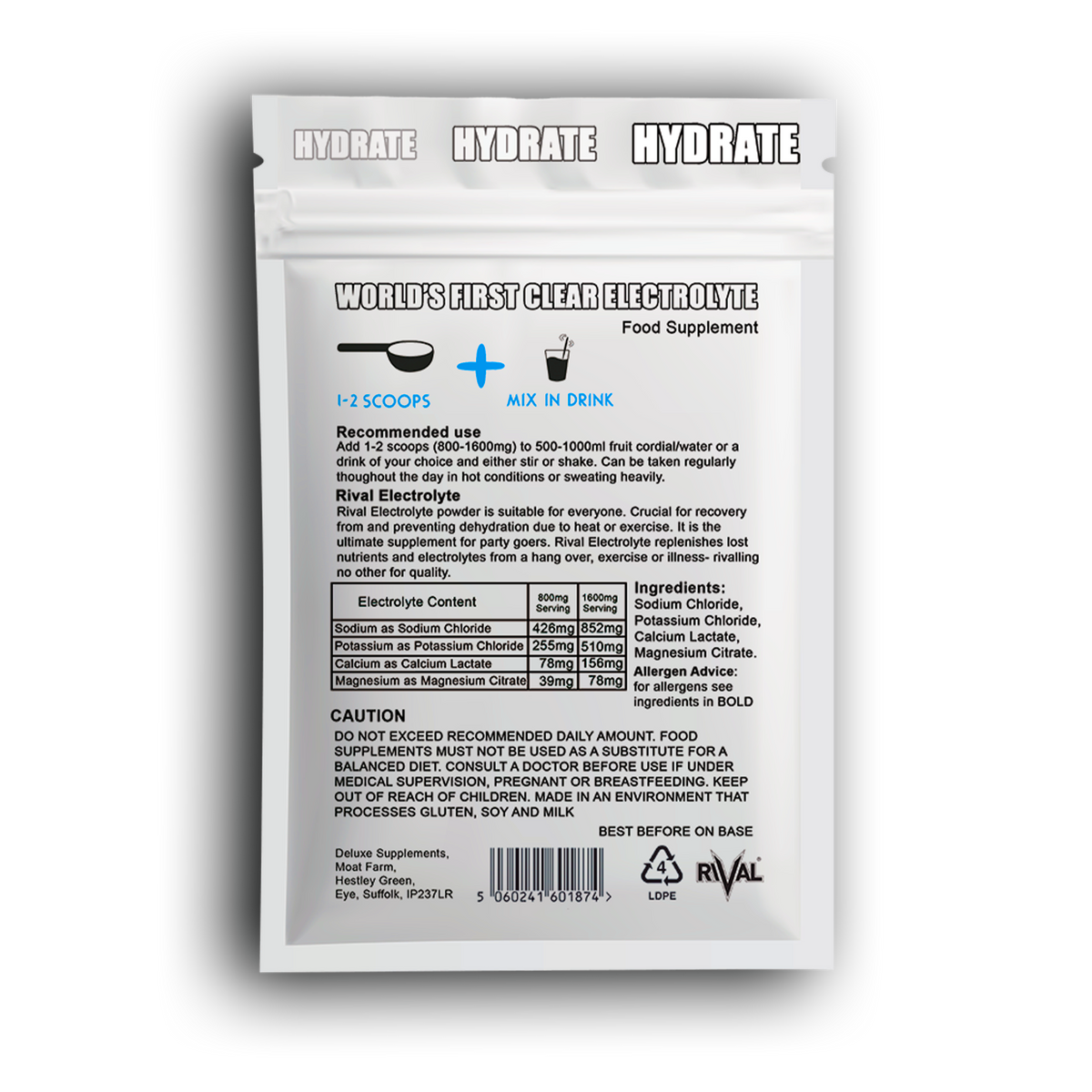
Heed 2.0 Orange

At a glance
Summary
Heed 2.0 Orange contains beneficial ingredients like potassium, magnesium, and vitamin C, which support various health functions. However, the presence of maltodextrin as a filler and the use of natural flavors, which can be highly processed, slightly detract from its overall formulation quality. The product maintains a relatively clean profile with minimal harmful additives, making it a decent choice among electrolyte supplements.
Key ingredients 25
PotassiumVery Good
Potassium is an essential mineral that supports heart and muscle function. It helps maintain fluid balance and is crucial for nerve transmission. High-quality sources of potassium are beneficial for cardiovascular health.
Risks
Excessive intake can lead to hyperkalemia, which can affect heart rhythm.
Benefits
Supports cardiovascular health and helps maintain proper muscle and nerve function.
Vitamin CVery Good
Vitamin C is a powerful antioxidant that supports immune function and skin health. It aids in collagen synthesis and enhances iron absorption. High-quality sources of vitamin C are beneficial for overall health.
Risks
Excessive intake can cause gastrointestinal discomfort.
Benefits
Supports immune function, skin health, and enhances iron absorption.
Magnesium Amino Acid ChelateVery Good
Magnesium amino acid chelate is a form of magnesium bound to amino acids for improved absorption. It supports muscle and nerve function, bone health, and energy production. High-quality chelated forms are beneficial for overall health.
Risks
Excessive intake can cause diarrhea and abdominal cramping.
Benefits
Improves magnesium absorption and supports overall health.
MagnesiumGood
Magnesium is a vital mineral involved in over 300 biochemical reactions in the body. It supports muscle and nerve function, bone health, and energy production. High-quality magnesium sources are beneficial for overall health.
Risks
Excessive intake can cause diarrhea and abdominal cramping.
Benefits
Supports muscle and nerve function, bone health, and energy production.
ManganeseGood
Manganese is a trace mineral important for bone formation and metabolism. It acts as a cofactor for several enzymes involved in metabolism. Adequate intake supports bone health and metabolic processes.
Risks
Excessive intake can lead to neurological issues.
Benefits
Supports bone formation and metabolic processes.
ChromiumGood
Chromium is a trace mineral that enhances insulin action and glucose metabolism. It is important for maintaining normal blood sugar levels. Adequate intake supports metabolic health and insulin sensitivity.
Risks
Excessive intake can lead to skin irritation and kidney issues.
Benefits
Enhances insulin action and supports glucose metabolism.
Monk Fruit ExtractGood
Beneficial ingredient — whole-food or functional value in this product class.
Benefits
Provides a natural, zero-calorie sweetener alternative.
L-CarnosineGood
L-Carnosine is a dipeptide composed of beta-alanine and histidine, known for its antioxidant properties. It helps protect cells from oxidative stress and supports muscle function. It is beneficial for overall health and longevity.
Benefits
Provides antioxidant protection and supports muscle function.
GlycineGood
Glycine is a non-essential amino acid that supports collagen synthesis and central nervous system function. It has calming effects and is involved in the production of glutathione, an important antioxidant. It is beneficial for overall health.
Benefits
Supports collagen synthesis and has calming effects on the nervous system.
Ascorbic AcidGood
Ascorbic acid, also known as vitamin C, is a powerful antioxidant that supports immune function and skin health. It aids in collagen synthesis and enhances iron absorption. High-quality sources of ascorbic acid are beneficial for overall health.
Risks
Excessive intake can cause gastrointestinal discomfort.
Benefits
Supports immune function, skin health, and enhances iron absorption.
L-TyrosineGood
L-Tyrosine is an amino acid that supports the production of neurotransmitters like dopamine and norepinephrine. It helps improve mental performance and stress response. It is beneficial for cognitive function and mood regulation.
Benefits
Supports cognitive function and mood regulation.
Calcium Glycinate ChelateGood
Calcium glycinate chelate is a form of calcium bound to glycine for improved absorption. It supports bone health and muscle function. High-quality chelated forms are beneficial for overall health.
Risks
Excessive intake can lead to kidney stones and hypercalcemia.
Benefits
Improves calcium absorption and supports bone health.
Manganese Amino Acid ChelateGood
Manganese amino acid chelate is a form of manganese bound to amino acids for improved absorption. It supports bone formation and metabolic processes. High-quality chelated forms are beneficial for overall health.
Risks
Excessive intake can lead to neurological issues.
Benefits
Improves manganese absorption and supports bone formation.
Chromium Amino Acid ChelateGood
Chromium amino acid chelate is a form of chromium bound to amino acids for improved absorption. It enhances insulin action and supports glucose metabolism. High-quality chelated forms are beneficial for metabolic health.
Risks
Excessive intake can lead to skin irritation and kidney issues.
Benefits
Improves chromium absorption and supports glucose metabolism.
TapiocaNeutral
Tapioca is a starch extracted from cassava root, commonly used as a thickener. It is minimally processed and does not contain significant nutrients. It is generally considered neutral in terms of health impact.
See more about Tapioca →CallumNeutral
Callum is not a recognized ingredient in nutrition science, possibly a typographical error or misinterpretation. Without clear identification, it is treated as neutral. Further clarification is needed for accurate analysis.
Amino Acid ChelateNeutral
Amino acid chelates are minerals bound to amino acids to enhance absorption. They are generally considered neutral as they improve mineral bioavailability without significant health risks. Their effectiveness depends on the specific mineral chelated.
Benefits
Improves mineral bioavailability and absorption.
XylitolNeutral
Xylitol is a sugar alcohol used as a low-calorie sweetener. It has a lower glycemic index than sugar and does not cause significant spikes in blood sugar levels. It is generally considered neutral in terms of health impact.
Risks
Excessive consumption can cause digestive discomfort.
Benefits
Provides a low-calorie alternative to sugar with a lower glycemic index.
ChlorideNeutral
Chloride is an essential electrolyte that helps maintain fluid balance and acid-base balance in the body. It is commonly found in salt and is necessary for proper bodily functions. It is generally considered neutral in terms of health impact.
Risks
Excessive intake can lead to high blood pressure.
Benefits
Helps maintain fluid and acid-base balance in the body.
SaltNeutral
Salt is a common seasoning and preservative that contains sodium and chloride. It is essential for maintaining fluid balance but should be consumed in moderation. It is generally considered neutral in terms of health impact.
Risks
Excessive intake can lead to high blood pressure and cardiovascular issues.
Benefits
Essential for maintaining fluid balance and nerve function.
Stevia LeafNeutral
Stevia leaf is a natural sweetener derived from the stevia plant. It is calorie-free and does not cause significant spikes in blood sugar levels. It is generally considered neutral in terms of health impact.
Benefits
Provides a natural, calorie-free sweetener alternative.
Calcium PhosphateNeutral
Calcium phosphate is a source of calcium and phosphorus, essential for bone health. It is commonly used as a supplement to support bone density. It is generally considered neutral in terms of health impact.
Risks
Excessive intake can lead to kidney stones and hypercalcemia.
Benefits
Supports bone health and provides essential minerals.
MaltodextrinBad
Maltodextrin is a highly processed carbohydrate used as a filler and thickener. It has a high glycemic index and can cause rapid spikes in blood sugar levels. It is often used in processed foods and lacks nutritional value.
Risks
May cause rapid spikes in blood sugar levels and contribute to insulin resistance.
Natural FlavorsBad
Natural flavors are a catch-all term for flavoring agents derived from natural sources but can be highly processed. They lack transparency and may contain additives. Their use is often criticized for not providing nutritional benefits.
Risks
Lack of transparency and potential for containing additives.
Sodium PhosphateBad
Processed additive flagged under Scout's ingredient doctrine.
Risks
Excessive intake can affect kidney function and calcium balance.
Processing
Ultra-Processed Foods
Get the full breakdown in the Scout appTake Scout shopping
Scan any product to see lab results, healthy alternatives, and your personalized analysis.
Are you Hammer Nutrition? Fix an error Get the badge Get tested