



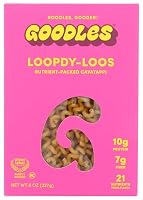


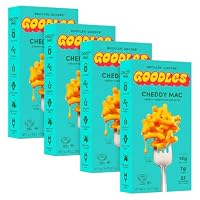

Shella Good Aged White Cheddar And Shells
GoodlesAnalysis updated October 2026 · How Scout scores
At a glance
Summary
This product contains a blend of beneficial ingredients such as chickpea protein and various vegetables, which contribute to its nutritional profile. However, it is classified as ultra-processed due to the presence of additives like disodium phosphate and the processing involved in creating the cheese blend. Despite its good protein content and fiber, the level of processing limits its overall health score.
Key ingredients 21
BroccoliVery Good
Broccoli is a nutrient-dense vegetable rich in vitamins, minerals, and antioxidants. It is minimally processed and retains most of its nutritional value. It supports immune function and overall health.
Benefits
High in vitamins C and K, fiber, and antioxidants, promoting overall health.
SpinachVery Good
Spinach is a leafy green vegetable high in vitamins, minerals, and antioxidants. It is minimally processed and provides numerous health benefits. It supports eye health and reduces oxidative stress.
Benefits
Rich in iron, calcium, and vitamins A and C, supporting bone health and immunity.
KaleVery Good
Kale is a highly nutritious leafy green vegetable packed with vitamins, minerals, and antioxidants. It is minimally processed and supports various aspects of health. It is known for its anti-inflammatory properties.
Benefits
High in vitamins A, C, and K, and antioxidants, promoting heart and bone health.
Chickpea proteinGood
Chickpea protein is a plant-based protein source that is rich in essential amino acids. It is minimally processed and offers a good alternative to animal proteins. It supports muscle maintenance and repair.
Benefits
Rich in protein and fiber, supporting muscle health and digestion.
PumpkinGood
Pumpkin is a nutrient-rich vegetable high in vitamins and fiber. It is minimally processed and adds natural sweetness and nutrients to foods. It supports eye health and digestion.
Benefits
Rich in beta-carotene, fiber, and vitamins, supporting vision and digestive health.
Sweet potatoGood
Sweet potato is a nutritious root vegetable high in vitamins, minerals, and fiber. It is minimally processed and provides natural sweetness and nutrients. It supports immune function and gut health.
Benefits
High in beta-carotene, fiber, and vitamins, promoting immune and digestive health.
Sunflower seedGood
Sunflower seeds are a good source of healthy fats, protein, and vitamins. They are minimally processed and provide essential nutrients. They support heart health and provide antioxidant benefits.
Risks
May cause allergic reactions in some individuals.
Benefits
Rich in vitamin E, healthy fats, and protein, supporting heart health.
CranberryGood
Cranberries are rich in antioxidants and vitamins, supporting urinary tract health. They are minimally processed and provide natural sweetness and nutrients. They help reduce oxidative stress and inflammation.
Benefits
High in antioxidants and vitamin C, supporting urinary and immune health.
ChlorellaGood
Chlorella is a nutrient-dense algae rich in vitamins, minerals, and antioxidants. It is minimally processed and supports detoxification and immune health. It is known for its high chlorophyll content.
Risks
May cause digestive upset in some individuals.
Benefits
Rich in chlorophyll, vitamins, and minerals, supporting detoxification and immunity.
Maitake mushroomGood
Maitake mushrooms are rich in antioxidants and polysaccharides, supporting immune health. They are minimally processed and provide unique health benefits. They are known for their immune-boosting properties.
Benefits
High in antioxidants and polysaccharides, promoting immune health.
Shiitake mushroomGood
Shiitake mushrooms are rich in vitamins, minerals, and antioxidants, supporting immune health. They are minimally processed and provide unique health benefits. They are known for their immune-boosting and cholesterol-lowering properties.
Benefits
Rich in vitamins, minerals, and antioxidants, supporting immune and heart health.
Wheat proteinNeutral
Wheat protein is used to enhance the protein content of the product. It is a plant-based protein but lacks some essential amino acids compared to animal proteins. It is a common ingredient in protein-enriched foods.
Risks
May cause allergic reactions in individuals with gluten intolerance or celiac disease.
Benefits
Increases the protein content of the product, supporting dietary protein intake.
Cheddar cheese blendNeutral
Cheddar cheese blend provides flavor and protein but is processed with additives like disodium phosphate. It is a common ingredient in cheese products. It offers calcium and protein but should be consumed in moderation.
Risks
Contains additives that may cause sensitivities in some individuals.
Benefits
Provides calcium and protein, supporting bone health.
Nonfat dry milkNeutral
Nonfat dry milk is a dehydrated form of milk that provides protein and calcium. It is processed to remove fat and water, making it shelf-stable. It is a convenient source of dairy nutrients.
Risks
May cause allergic reactions in individuals with lactose intolerance or milk allergies.
Benefits
Provides protein and calcium, supporting bone health.
ButterNeutral
Butter is a dairy product that provides flavor and fat. It is minimally processed but high in saturated fat. It should be consumed in moderation as part of a balanced diet.
Risks
High in saturated fat, which may impact heart health if consumed in excess.
Benefits
Provides flavor and fat, enhancing the taste of foods.
SaltNeutral
Salt is used to enhance flavor and preserve food. It is a common ingredient but should be consumed in moderation due to its sodium content. It is essential for various bodily functions.
Risks
Excessive consumption may lead to high blood pressure and cardiovascular issues.
Benefits
Essential for maintaining fluid balance and nerve function.
Tapioca flourNeutral
Tapioca flour is a gluten-free starch used as a thickener and binder. It is minimally processed and provides carbohydrates. It is a common ingredient in gluten-free products.
Benefits
Provides carbohydrates and is a gluten-free alternative for thickening.
Lactic acidNeutral
Lactic acid is used as a preservative and flavoring agent in foods. It is naturally occurring and generally recognized as safe. It helps maintain the acidity and flavor of foods.
Benefits
Helps preserve food and enhance flavor.
EnzymesNeutral
Enzymes are used to aid in the cheese-making process, helping to develop flavor and texture. They are naturally occurring and essential in dairy processing. They are generally recognized as safe.
Benefits
Aid in the development of flavor and texture in cheese.
Wheat flourBad
Refined grain flour stripped of bran and germ.
Risks
May cause allergic reactions in individuals with gluten intolerance or celiac disease.
Benefits
Provides energy through carbohydrates and a small amount of protein.
Disodium phosphateBad
Disodium phosphate is an additive used to stabilize and emulsify foods. It is a processed ingredient with no nutritional benefits. It is commonly used in processed cheese products.
Risks
May cause digestive upset and contribute to an imbalance in phosphate levels if consumed in excess.
Processing
Ultra-Processed Foods
Get the full breakdown in the Scout appTake Scout shopping
Scan any product to see lab results, healthy alternatives, and your personalized analysis.
Download on theApp Store GET IT ONGoogle Play