


At a glance
Summary
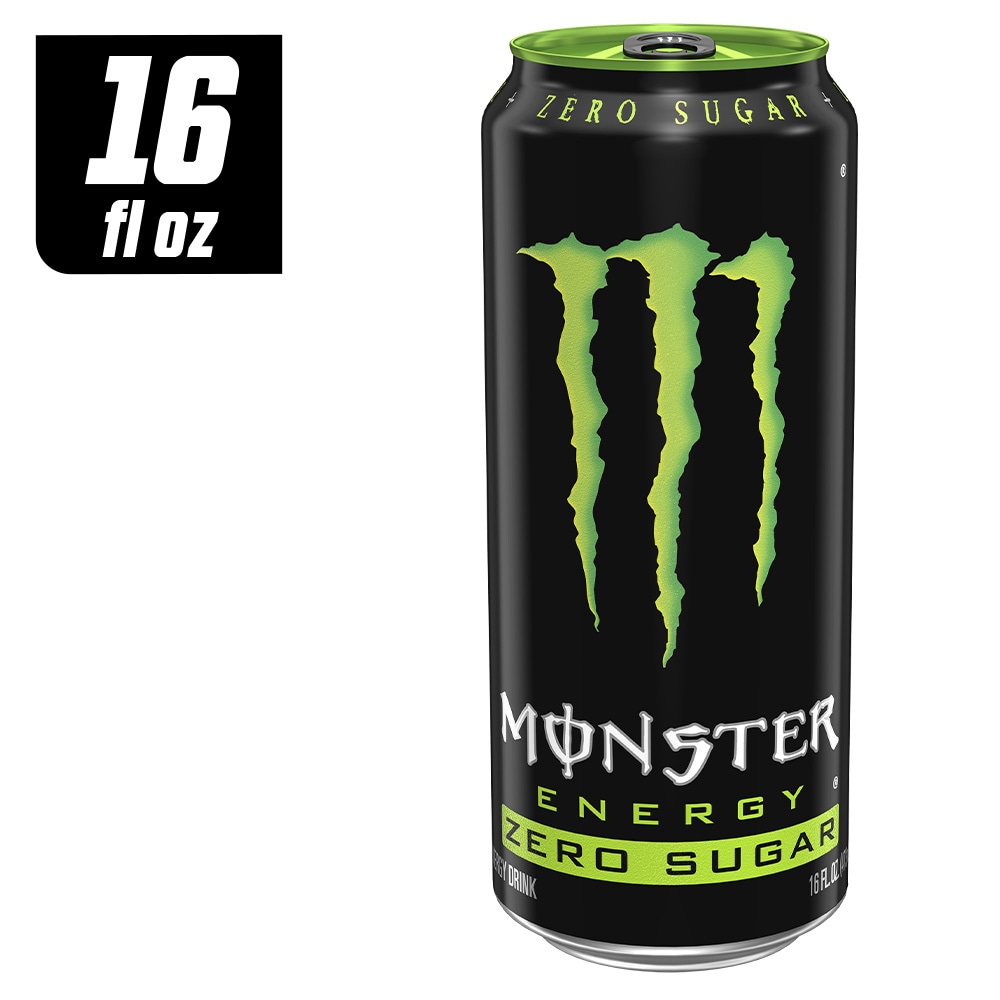
This energy drink contains zero added sugar, which is a positive aspect, but it includes artificial sweeteners like sucralose and acesulfame potassium, which raise health concerns. The presence of preservatives such as sorbic acid and benzoic acid, along with unspecified flavors, contributes to its high processing level. However, it also contains beneficial ingredients like taurine, ginseng, and B-vitamins, which provide some functional benefits.
Key ingredients 22
TaurineGood
Taurine is an amino acid that supports neurological development and regulates water and mineral balance in the blood. It is often included in energy drinks for its potential to enhance athletic performance. It is naturally found in meat and fish.
Benefits
May enhance athletic performance and support neurological development.
Panax Ginseng Root ExtractGood
Panax ginseng is a traditional herbal remedy believed to boost energy, reduce stress, and improve cognitive function. It is used in energy drinks for its potential adaptogenic properties. It is derived from the root of the ginseng plant.
Risks
May interact with certain medications and cause side effects like insomnia.
Benefits
May boost energy, reduce stress, and improve cognitive function.
AnthocyaninsGood
Anthocyanins are natural pigments found in fruits and vegetables, providing color and antioxidant properties. They are used in beverages for coloring and potential health benefits. They may help reduce inflammation and oxidative stress.
Benefits
Provide antioxidant properties and may help reduce inflammation and oxidative stress.
Niacin (B3)Good
Niacin, or vitamin B3, is essential for energy metabolism and maintaining healthy skin and nerves. It is added to energy drinks to support metabolic processes. It is water-soluble and found in various foods.
Risks
Excessive intake may cause flushing and liver damage.
Benefits
Supports energy metabolism and maintains healthy skin and nerves.
Vitamin B6Good
Vitamin B6 is important for protein metabolism and cognitive development. It is included in energy drinks to support brain health and energy production. It is water-soluble and found in many foods.
Risks
Excessive intake may cause nerve damage.
Benefits
Supports protein metabolism and cognitive development.
Riboflavin (B2)Good
Riboflavin, or vitamin B2, is essential for energy production and cellular function. It is added to energy drinks to support metabolic processes. It is water-soluble and found in various foods.
Benefits
Supports energy production and cellular function.
Vitamin B12Good
Vitamin B12 is crucial for nerve function and the production of DNA and red blood cells. It is included in energy drinks to support energy levels and neurological health. It is water-soluble and found in animal products.
Benefits
Supports nerve function and the production of DNA and red blood cells.
InositolGood
Beneficial ingredient — whole-food or functional value in this product class.
Benefits
May improve mood and cognitive function, supporting mental health.
Guarana Seed ExtractGood
Guarana seed extract is a natural source of caffeine, used to enhance energy and alertness. It is included in energy drinks for its stimulant properties. It may improve mental focus and physical performance.
Risks
Excessive intake may lead to caffeine-related side effects such as insomnia and increased heart rate.
Benefits
Enhances energy and alertness, improving mental focus and physical performance.
Carbonated WaterNeutral
Carbonated water is simply water that has been infused with carbon dioxide gas under pressure. It is a common base for many beverages and does not provide any significant nutritional value. It is generally considered safe for consumption.
See more about Carbonated Water →Citric AcidNeutral
Citric acid is a natural acid found in citrus fruits, used as an acidity regulator in beverages. It is generally recognized as safe and is commonly used in food processing. It can enhance flavor and preserve freshness.
Risks
Excessive consumption may cause tooth enamel erosion.
Benefits
It can enhance the flavor of beverages and act as a preservative.
Sodium CitrateNeutral
Sodium citrate is a sodium salt of citric acid, used as an acidity regulator and emulsifier. It is commonly used in processed foods and beverages. It helps maintain the stability and flavor of the product.
Benefits
It helps maintain the stability and flavor of the product.
ErythritolNeutral
Erythritol is a sugar alcohol used as a low-calorie sweetener. It is naturally found in some fruits and fermented foods. It provides sweetness without the calories of sugar.
Risks
Excessive consumption may cause digestive discomfort.
Benefits
It provides sweetness with minimal calories and does not raise blood sugar levels.
CaffeineNeutral
Caffeine is a natural stimulant commonly found in coffee, tea, and energy drinks. It is used to increase alertness and reduce fatigue. While it can enhance mental and physical performance, excessive intake may lead to negative health effects.
Risks
Excessive intake may lead to insomnia, jitteriness, and increased heart rate.
Benefits
Increases alertness and reduces fatigue, enhancing mental and physical performance.
SaltNeutral
Salt is used to enhance flavor and preserve food. It is a common ingredient in many processed foods and beverages. While necessary for bodily functions, excessive intake can lead to health issues.
Risks
Excessive intake can lead to high blood pressure and cardiovascular disease.
Benefits
Enhances flavor and is necessary for bodily functions.
D-GlucuronolactoneNeutral
D-Glucuronolactone is a naturally occurring compound used in energy drinks for its potential to improve energy and detoxification. It is generally recognized as safe. It may support liver function and energy levels.
Benefits
May improve energy and support liver function.
SucraloseBad
Sucralose is an artificial sweetener that is much sweeter than sugar and used in many low-calorie products. It is chemically altered to be calorie-free. Concerns exist about its long-term health effects and potential to alter gut microbiota.
Risks
Potential to alter gut microbiota and long-term health effects are not fully understood.
Benefits
Provides sweetness without calories, making it useful for reducing sugar intake.
Acesulfame PotassiumBad
Acesulfame potassium is an artificial sweetener used to provide sweetness without calories. It is often used in combination with other sweeteners. There are concerns about its safety and potential carcinogenic effects.
Risks
Concerns about potential carcinogenic effects and safety in long-term use.
Benefits
Provides sweetness without calories, aiding in calorie reduction.
FlavoursBad
The term 'flavours' often refers to a mix of natural and artificial flavoring agents. The lack of transparency makes it difficult to assess their safety and health impact. They are used to enhance taste but may include artificial components.
Risks
Potential inclusion of artificial components with unknown health effects.
Benefits
Enhances the taste of the product.
Sorbic AcidBad
Sorbic acid is a preservative used to prevent mold and yeast growth in foods and beverages. It is synthetically produced and widely used in the food industry. There are concerns about its potential to cause allergic reactions in sensitive individuals.
Risks
May cause allergic reactions in sensitive individuals.
Benefits
Prevents mold and yeast growth, extending shelf life.
Benzoic AcidBad
Benzoic acid is a preservative used to inhibit the growth of bacteria, yeast, and fungi. It is commonly used in acidic foods and beverages. There are concerns about its potential to form benzene, a carcinogen, under certain conditions.
Risks
Potential to form benzene, a carcinogen, under certain conditions.
Benefits
Inhibits the growth of bacteria, yeast, and fungi, preserving the product.
MaltodextrinBad
Processed additive flagged under Scout's ingredient doctrine.
Risks
May cause blood sugar spikes in sensitive individuals.
Benefits
Provides quick energy and is used as a thickener and filler.
Processing
Ultra-Processed Foods
Get the full breakdown in the Scout appTake Scout shopping
Scan any product to see lab results, healthy alternatives, and your personalized analysis.
Download on theApp Store GET IT ONGoogle Play