



At a glance
Summary
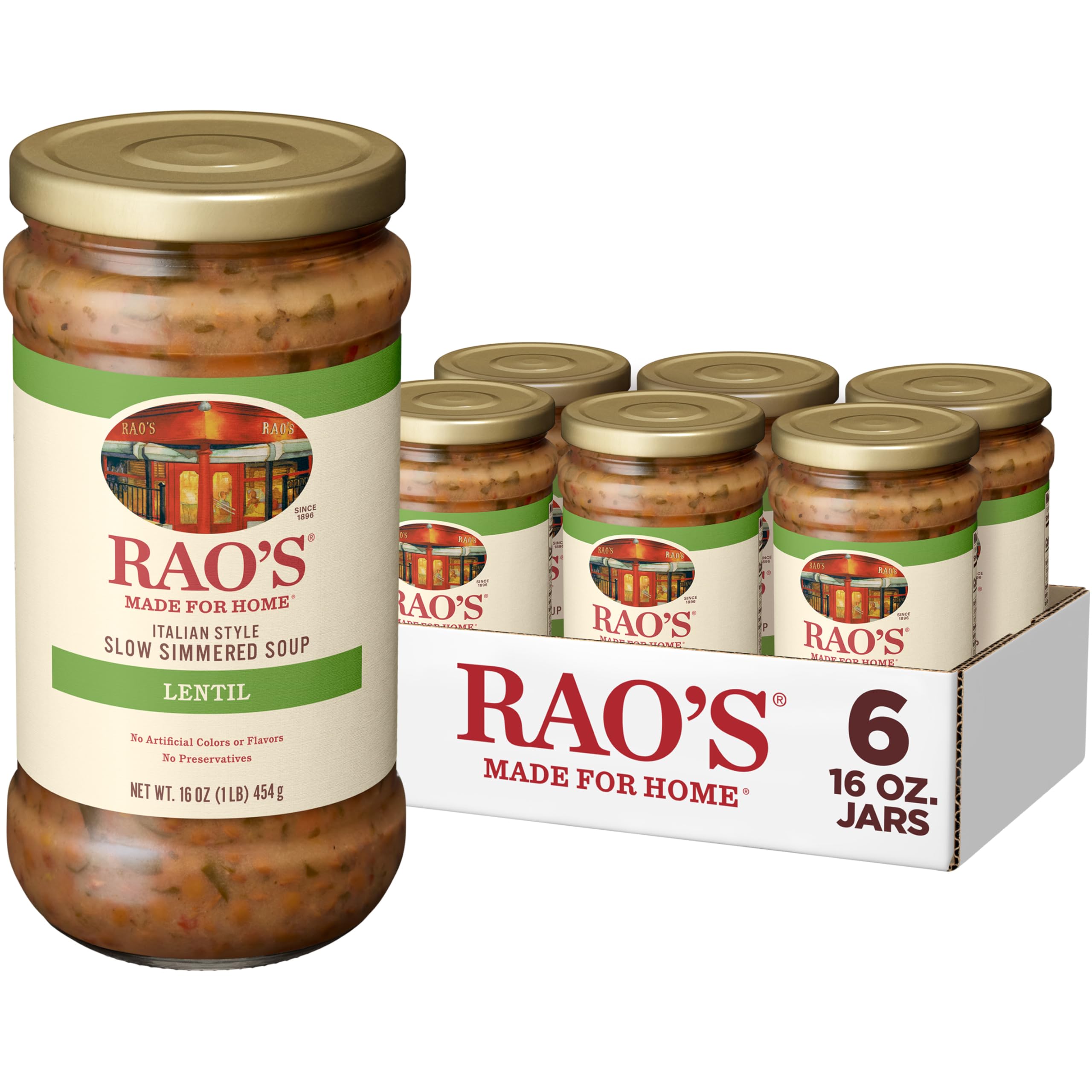
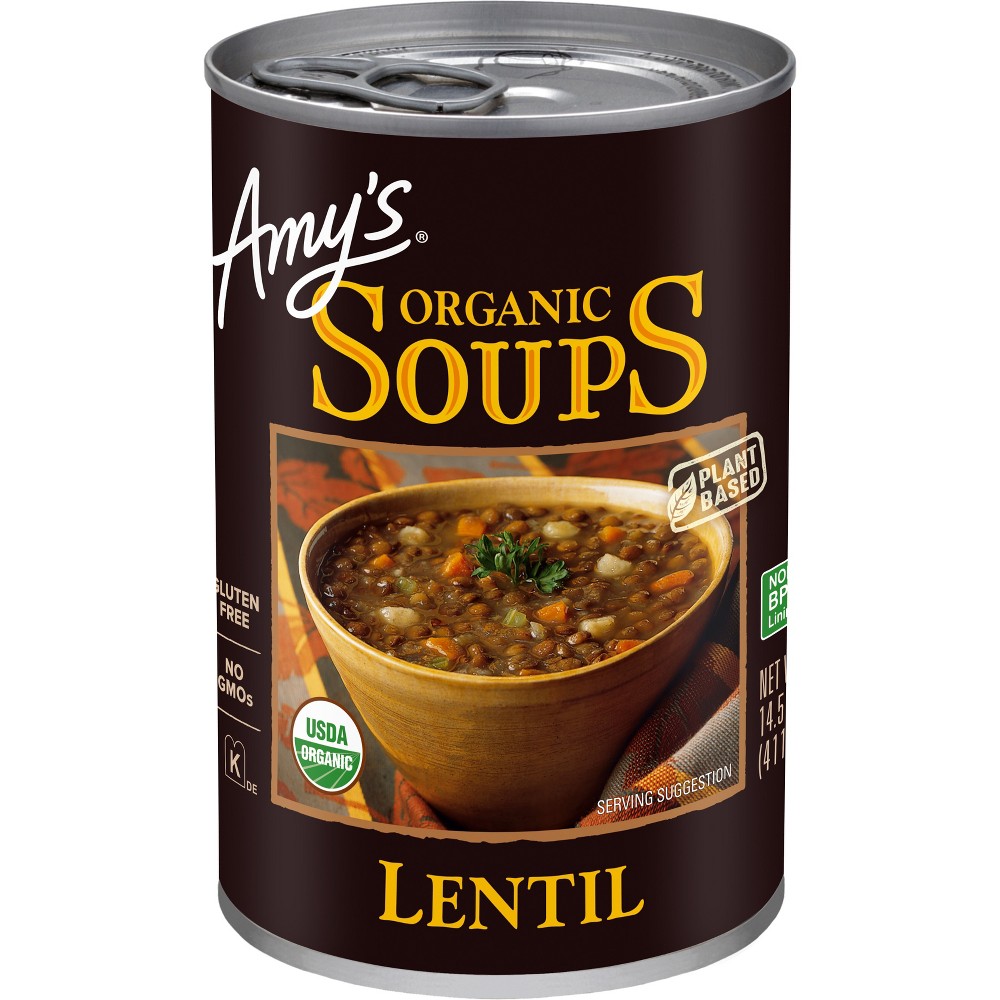
This lentil soup contains a variety of beneficial ingredients such as lentils, carrots, and spinach, which provide essential nutrients and antioxidants. However, the presence of sugar and natural flavors, along with its processed nature, slightly detracts from its overall healthiness. The use of olive oil is a positive aspect, but the processing level and inclusion of some additives prevent it from achieving a higher score.
Key ingredients 22
LentilsVery Good
Lentils are a rich source of plant-based protein and fiber. They contain essential nutrients such as iron, folate, and magnesium. Their low glycemic index makes them beneficial for blood sugar control.
Benefits
High in protein and fiber, supporting digestive health and providing sustained energy.
SpinachVery Good
Spinach is a nutrient-dense leafy green, high in vitamins A, C, K, and folate. It provides iron and calcium, supporting bone health and blood production. Its antioxidants help combat oxidative stress.
Risks
Contains oxalates, which may affect calcium absorption in sensitive individuals.
Benefits
High in essential vitamins and minerals, promoting overall health and wellness.
Olive OilVery Good
Olive oil is a healthy fat rich in monounsaturated fatty acids and antioxidants. It supports heart health and has anti-inflammatory properties. Cold-pressed extraction preserves its beneficial compounds.
Benefits
Rich in monounsaturated fats that support heart health and provide anti-inflammatory properties.
CarrotsGood
Carrots are a good source of beta-carotene, fiber, and antioxidants. They support eye health and may reduce the risk of chronic diseases. Their natural sweetness can enhance the flavor of dishes.
Benefits
Rich in beta-carotene, which is converted to vitamin A in the body, supporting vision and immune function.
Diced TomatoesGood
Diced tomatoes are rich in vitamins C and K, potassium, and folate. They contain lycopene, an antioxidant linked to reduced risk of heart disease and cancer. Processing enhances lycopene bioavailability.
Benefits
High in antioxidants, supporting heart health and reducing inflammation.
Red PepperGood
Red peppers are high in vitamin C, vitamin A, and antioxidants. They contribute to immune support and skin health. Their vibrant color indicates a high nutrient density.
Benefits
Rich in vitamins and antioxidants, supporting immune function and reducing oxidative stress.
OnionsGood
Onions are rich in antioxidants and sulfur-containing compounds. They may support heart health and have anti-inflammatory effects. Their flavor enhances many dishes.
Benefits
Contains quercetin, an antioxidant that may reduce inflammation and support heart health.
Balsamic VinegarGood
Balsamic vinegar is made from grape must and contains antioxidants. It may aid digestion and support heart health. Its acidity can enhance flavor without adding calories.
Benefits
Contains antioxidants and may support digestion and heart health.
GarlicGood
Garlic is known for its health benefits, including antimicrobial and cardiovascular support. It contains allicin, which has been studied for its potential health effects. Its strong flavor enhances many dishes.
Benefits
May support heart health and has antimicrobial properties.
SpicesGood
Whole-food seasonings, antioxidant-bearing.
Benefits
May provide antioxidants and enhance flavor.
TurmericGood
Turmeric is a spice known for its anti-inflammatory and antioxidant properties. It contains curcumin, which has been studied for its potential health benefits. It adds color and flavor to dishes.
Benefits
May reduce inflammation and provide antioxidant benefits.
Chicken BrothNeutral
Chicken broth is a common base for soups, providing flavor and some nutrients. It is typically made by simmering chicken bones and meat, which can release collagen and minerals. However, the nutritional content can vary widely depending on preparation and added ingredients.
Risks
Potential for high sodium content if not homemade or low-sodium.
Benefits
May provide some protein and minerals, depending on preparation.
CeleryNeutral
Celery is low in calories and provides some vitamins and minerals. It is often used for its crunchy texture and mild flavor. Its high water content contributes to hydration.
Benefits
Provides dietary fiber and some vitamins, supporting digestion.
Parmesan CheeseNeutral
Parmesan cheese is a hard cheese rich in calcium and protein. It is aged, which enhances its flavor and digestibility. However, it is also high in sodium and saturated fat.
Risks
High sodium and saturated fat content may be a concern for some individuals.
Benefits
Provides calcium and protein, supporting bone health and muscle function.
Carrot PowderNeutral
Carrot powder is a concentrated form of carrots, providing similar nutrients. It is used for flavor and color in foods. The drying process may reduce some nutrient content.
Benefits
Provides flavor and color, with some retention of carrot nutrients.
SaltNeutral
Salt is used to enhance flavor and preserve food. It is a source of sodium, essential for fluid balance and nerve function. Excessive intake can lead to health issues.
Risks
High sodium intake can contribute to hypertension and cardiovascular disease.
Benefits
Essential for maintaining fluid balance and nerve function.
Chicken FatNeutral
Chicken fat is a source of animal fat, providing flavor and richness to dishes. It contains saturated and unsaturated fats. Its nutritional impact depends on the overall dietary context.
Risks
High in saturated fat, which may impact heart health if consumed in excess.
Benefits
Enhances flavor and provides energy.
Onion PowderNeutral
Onion powder is a dehydrated form of onions, used for flavoring. It retains some of the nutrients and antioxidants found in fresh onions. It is convenient for adding onion flavor without moisture.
Benefits
Provides flavor and some antioxidants.
Modified Food StarchBad
Chemically modified starch additive.
Benefits
Provides texture and stability in food products.
Yeast ExtractBad
Concentrated glutamate source — MSG-adjacent flavor enhancer.
Risks
May contain naturally occurring glutamates, which some individuals are sensitive to.
Benefits
Enhances flavor and provides some B vitamins.
SugarBad
Sugar is a refined carbohydrate that provides quick energy but lacks essential nutrients. Excessive consumption is linked to obesity, diabetes, and dental issues. It is often added to enhance sweetness in processed foods.
Risks
High intake can lead to obesity, insulin resistance, and dental cavities.
Benefits
Provides quick energy but lacks significant nutritional benefits.
Natural FlavorBad
Natural flavors are used to enhance taste but are often vague in composition. They can contain a variety of compounds derived from natural sources. Lack of transparency can be a concern for those with allergies or sensitivities.
Risks
Potential allergen risk due to unspecified ingredients.
Benefits
Enhances flavor without adding calories.
Processing
Processed Foods
Get the full breakdown in the Scout appTake Scout shopping
Scan any product to see lab results, healthy alternatives, and your personalized analysis.
Download on theApp Store GET IT ONGoogle Play