


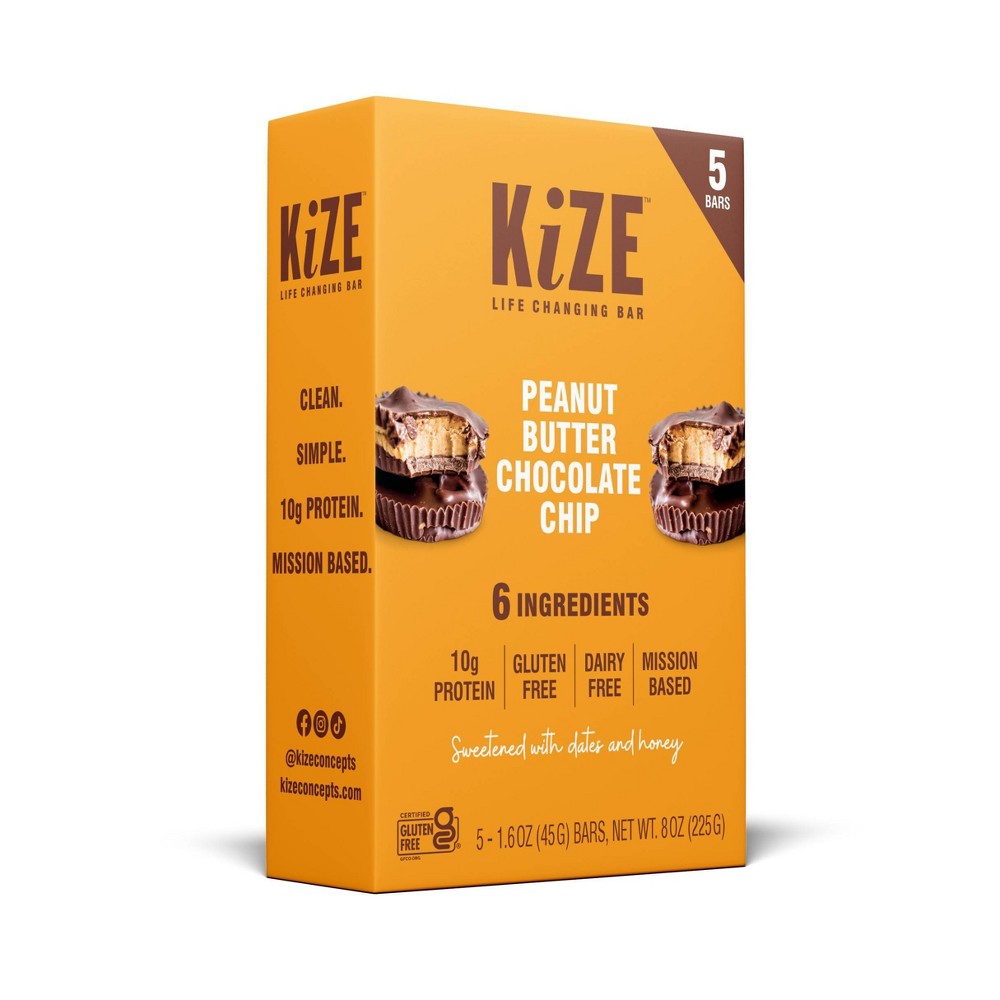
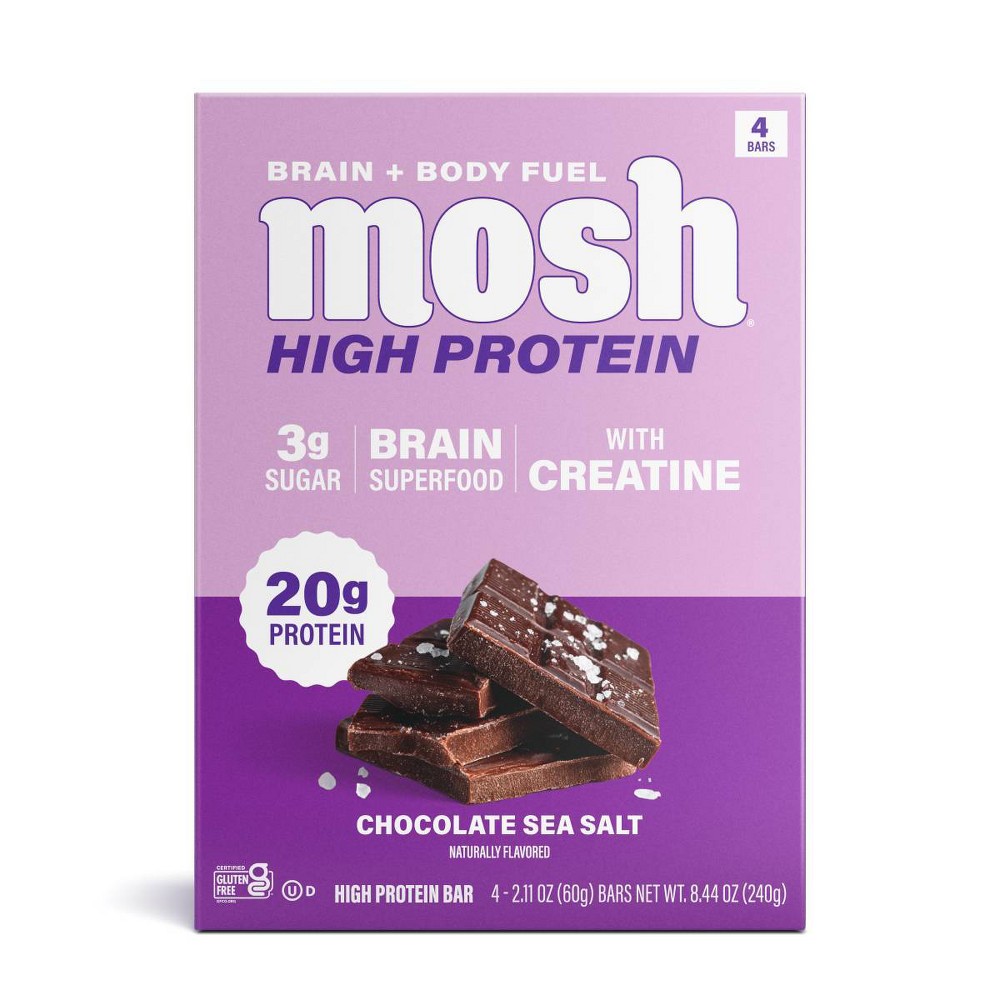
'ndulge Greek Yogurt Bars Chocolate Fudge Chip
Analysis updated June 2026 · How Scout scores
At a glance
Summary
This product contains several beneficial ingredients such as olive oil, whey protein concentrate, and nonfat Greek yogurt, which contribute to its nutritional value. However, it is heavily processed, with the inclusion of additives like natural flavors and sunflower lecithin, which detract from its overall healthiness. The presence of tapioca syrup as a sweetener also raises concerns about added sugars, impacting the product's score.
Key ingredients 22
Olive OilVery Good
Olive oil is a high-quality monounsaturated fat with anti-inflammatory properties. It contains antioxidants that support heart health and is often cold-pressed to preserve beneficial compounds. It is a staple in healthy diets and provides numerous health benefits.
Benefits
Rich in monounsaturated fats and antioxidants, supporting heart health and reducing inflammation.
CreamGood
Traditional whole-fat dairy ingredient.
Risks
High in saturated fat, which may contribute to heart disease if consumed excessively.
Benefits
Adds richness and flavor, enhancing the sensory qualities of food.
Milk Protein IsolateGood
Milk protein isolate is a high-quality protein source that provides all essential amino acids. It is derived from milk and is beneficial for muscle repair and growth. The processing removes most of the lactose, making it suitable for those with lactose intolerance.
Benefits
Excellent source of complete protein, supporting muscle health and recovery.
Whey Protein ConcentrateGood
Whey protein concentrate is a high-quality protein that supports muscle growth and repair. It is rich in branched-chain amino acids (BCAAs), which are crucial for muscle recovery. Derived from milk, it is a well-absorbed protein source.
Risks
May cause digestive issues in individuals with lactose intolerance.
Benefits
Supports muscle growth and recovery due to its high BCAA content.
Egg YolksGood
Egg yolks are nutrient-dense, providing vitamins A, D, E, and K, along with healthy fats. They are a natural source of choline, which is important for brain health. Despite their cholesterol content, moderate consumption is considered beneficial for most people.
Risks
High cholesterol content may be a concern for individuals with specific dietary restrictions.
Benefits
Rich in essential nutrients and healthy fats, supporting overall health.
Nonfat Greek YogurtGood
Nonfat Greek yogurt is a high-protein, low-fat dairy product that supports digestive health due to its probiotic content. It is made by straining yogurt to remove whey, resulting in a thicker consistency and higher protein content. It is beneficial for muscle maintenance and gut health.
Benefits
High in protein and probiotics, supporting muscle and digestive health.
Chicory Root FiberGood
Chicory root fiber is a prebiotic fiber that supports digestive health by promoting beneficial gut bacteria. It is often used to increase fiber content in foods without adding calories. It can improve bowel regularity and support overall gut health.
Risks
Excessive consumption may cause digestive discomfort in some individuals.
Benefits
Supports digestive health by promoting beneficial gut bacteria and improving bowel regularity.
Coconut OilGood
Coconut oil is a source of medium-chain triglycerides (MCTs), which are easily metabolized for energy. It has antimicrobial properties and can support metabolic health. Despite being high in saturated fat, it is considered beneficial in moderation.
Risks
High in saturated fat, which may be a concern if consumed in excess.
Benefits
Provides MCTs that support energy metabolism and has antimicrobial properties.
Sea SaltGood
Sea salt is a minimally processed salt that contains trace minerals. It is often preferred over refined table salt for its natural mineral content. It enhances flavor and provides essential sodium for bodily functions.
Risks
Excessive sodium intake can lead to high blood pressure and other health issues.
Benefits
Provides essential sodium and trace minerals, enhancing flavor and supporting bodily functions.
Monk Fruit ExtractGood
Monk fruit extract is a natural, zero-calorie sweetener derived from the monk fruit. It provides sweetness without affecting blood sugar levels, making it suitable for diabetics. It is a healthier alternative to artificial sweeteners.
Benefits
Provides sweetness without calories or blood sugar impact, suitable for diabetics.
Cocoa ButterGood
Cocoa butter is a natural fat extracted from cocoa beans, known for its smooth texture and chocolate flavor. It is rich in antioxidants and healthy fats, supporting skin health and providing a creamy texture in foods. It is minimally processed and retains beneficial compounds.
Benefits
Rich in antioxidants and healthy fats, supporting skin health and providing a creamy texture.
Unsweetened ChocolateGood
Unsweetened chocolate is pure chocolate liquor without added sugar, providing a rich chocolate flavor. It is high in antioxidants and can support heart health when consumed in moderation. It is minimally processed, retaining most of its natural nutrients.
Benefits
High in antioxidants, supporting heart health and providing a rich chocolate flavor.
CulturesGood
Cultures are beneficial bacteria used in fermentation, supporting gut health and digestion. They are essential in producing yogurt and other fermented foods, enhancing probiotic content. Regular consumption can improve digestive health and boost the immune system.
Benefits
Supports gut health and digestion through probiotic content.
Skim MilkNeutral
Standard formulation ingredient — neither beneficial nor harmful at typical use.
Benefits
Provides calcium and vitamin D, which are important for bone health. Low in fat, making it suitable for low-fat diets.
AlluloseNeutral
Standard formulation ingredient — neither beneficial nor harmful at typical use.
Risks
Excessive consumption may lead to digestive discomfort in some individuals.
Benefits
Provides sweetness with minimal calories and does not significantly impact blood sugar levels.
Cocoa Processed With AlkaliNeutral
Cocoa processed with alkali, also known as Dutch-processed cocoa, has a milder flavor and darker color. The alkalization process reduces acidity but may also decrease some antioxidant properties. It is commonly used in chocolate products for its smooth taste.
Risks
May contain reduced levels of antioxidants compared to natural cocoa.
Benefits
Provides a rich chocolate flavor and color to products.
Tapioca StarchNeutral
Tapioca starch is a gluten-free thickening agent derived from cassava root. It is used to improve texture and consistency in food products. While it provides carbohydrates, it lacks significant nutritional value.
Benefits
Improves texture and consistency in food products, suitable for gluten-free diets.
Locust Bean GumNeutral
Locust bean gum is a natural thickening agent derived from carob tree seeds. It is used to improve texture and stability in food products. While it is a natural additive, it provides no significant nutritional benefits.
Benefits
Improves texture and stability in food products.
Skim Milk PowderNeutral
Skim milk powder is dehydrated skim milk, providing a convenient source of dairy nutrients. It is low in fat and retains most of the vitamins and minerals found in liquid milk. It is used to enhance the nutritional profile of food products.
Benefits
Provides dairy nutrients in a low-fat, convenient form.
Tapioca SyrupBad
Tapioca syrup is a sweetener derived from cassava root, often used as a substitute for corn syrup. It is high in carbohydrates and lacks significant nutritional benefits. As a refined sugar, it can contribute to increased blood sugar levels.
Risks
High in carbohydrates and can contribute to blood sugar spikes.
Benefits
Provides sweetness and acts as a binding agent in food products.
Natural FlavorsBad
Natural flavors are additives used to enhance taste, but their exact composition is often undisclosed. They can contain a variety of chemical compounds, making them less desirable for those seeking transparency in ingredients. While derived from natural sources, they are highly processed.
Risks
Lack of transparency in composition may be a concern for individuals with allergies or sensitivities.
Benefits
Enhances flavor without adding calories, but lacks nutritional benefits.
Sunflower LecithinBad
Sunflower lecithin is an emulsifier used to improve texture and blend ingredients. While it is a natural alternative to soy lecithin, it is still a processed additive. It lacks significant nutritional benefits and is primarily used for its functional properties.
Risks
May cause allergic reactions in sensitive individuals.
Benefits
Improves texture and consistency in food products.
Processing
Ultra-Processed Foods
Get the full breakdown in the Scout appTake Scout shopping
Scan any product to see lab results, healthy alternatives, and your personalized analysis.
Download on theApp Store GET IT ONGoogle Play