





At a glance
Summary
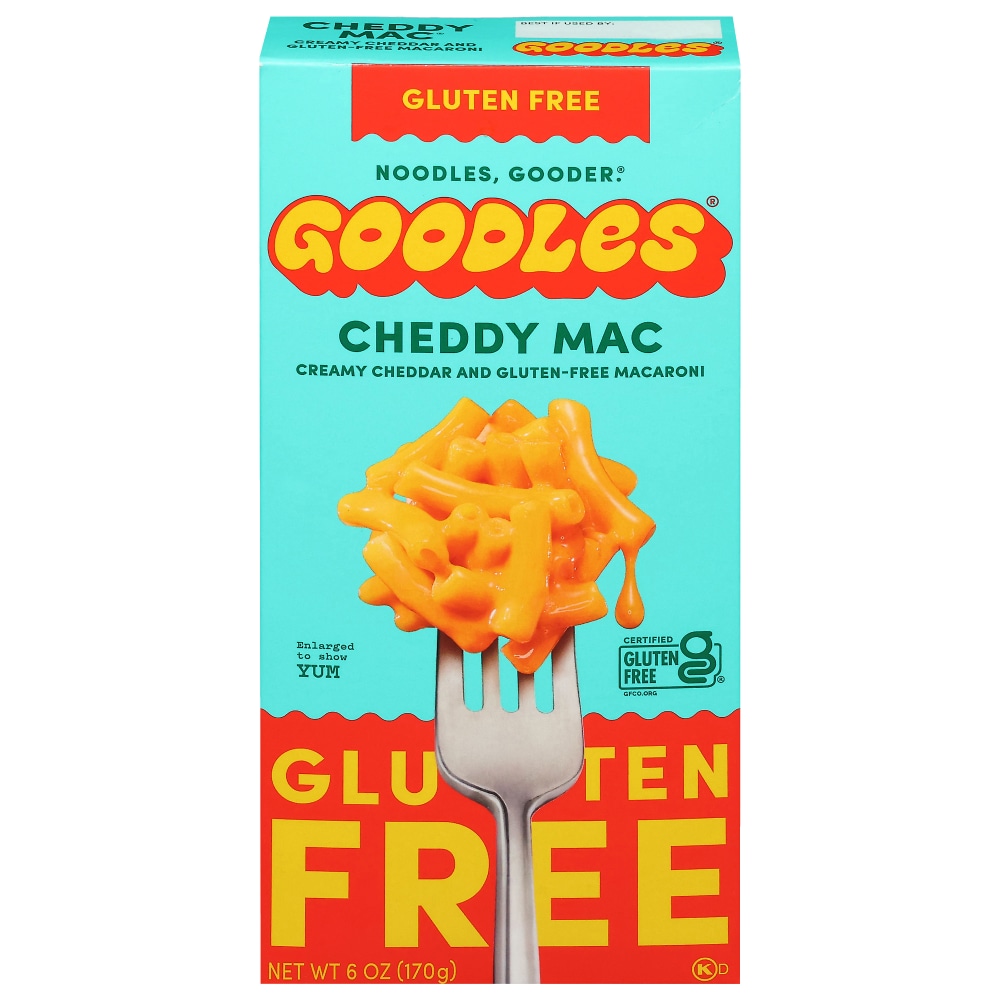
This product contains a variety of beneficial ingredients such as brown rice, chickpeas, and a blend of nutrients from vegetables and superfoods, which enhance its nutritional profile. However, it also includes disodium phosphate, an additive that indicates a higher level of processing. The presence of this additive, along with the processed nature of the product, limits its overall health score despite the inclusion of nutritious components.
Key ingredients 18
Nutrients extracted from broccoli, spinach, kale, pumpkin, sweet potato, sunflower seed, cranberry, chlorella, maitake mushroom, shiitake mushroomVery Good
These nutrients are derived from a variety of vegetables and superfoods, providing a wide range of vitamins, minerals, and antioxidants. They support overall health and wellness. The extraction process retains beneficial compounds, enhancing the nutritional profile of the product.
Benefits
Rich in vitamins, minerals, and antioxidants, supporting overall health and wellness.
CornGood
Beneficial ingredient — whole-food or functional value in this product class.
Risks
Potential allergen for individuals sensitive to corn.
Benefits
Provides carbohydrates and some fiber, contributing to energy intake.
Brown riceGood
Brown rice is a whole grain that retains its bran and germ, providing more fiber and nutrients than white rice. It is a good source of magnesium, phosphorus, and B vitamins. Its whole grain status supports digestive health and provides sustained energy.
Benefits
Rich in fiber and essential nutrients, supporting digestive health and providing sustained energy.
ChickpeasGood
Chickpeas are a legume rich in protein, fiber, and essential nutrients like iron and folate. They support digestive health and provide plant-based protein. Their nutrient density makes them a beneficial addition to a balanced diet.
Risks
May cause digestive discomfort in some individuals due to oligosaccharides.
Benefits
High in protein and fiber, supporting digestive health and providing essential nutrients.
Yellow peasGood
Yellow peas are a good source of plant-based protein and fiber. They contain essential amino acids and support heart health. Their inclusion in gluten-free products enhances nutritional value.
Benefits
Provides plant-based protein and fiber, supporting heart health and nutritional balance.
Chickpea proteinGood
Chickpea protein is a concentrated source of plant-based protein. It offers a good amino acid profile and supports muscle maintenance. Its use in gluten-free products enhances protein content without gluten.
Benefits
Concentrated source of plant-based protein, supporting muscle maintenance and nutritional balance.
Cheddar cheeseGood
Cheddar cheese is a source of calcium and protein, supporting bone health and muscle maintenance. It is a fermented dairy product that provides beneficial bacteria. Its inclusion adds flavor and nutritional value.
Risks
May be high in saturated fat and sodium, which should be consumed in moderation.
Benefits
Provides calcium and protein, supporting bone health and muscle maintenance.
ButtermilkGood
Buttermilk is a fermented dairy product that provides probiotics and nutrients like calcium and vitamin B12. It supports digestive health and bone strength. Its fermentation process enhances digestibility and nutrient absorption.
Risks
May not be suitable for individuals with lactose intolerance.
Benefits
Provides probiotics and nutrients, supporting digestive health and bone strength.
ButterGood
Butter is a natural dairy product rich in fat-soluble vitamins like A, D, and E. It provides a source of healthy fats when consumed in moderation. Its natural composition is preferable to margarine or hydrogenated fats.
Risks
High in saturated fat, which should be consumed in moderation to avoid cardiovascular risks.
Benefits
Rich in fat-soluble vitamins and provides healthy fats when consumed in moderation.
Xanthan gumNeutral
Xanthan gum is a common food additive used as a thickener and stabilizer. It is derived from fermented sugars and is generally recognized as safe. It can cause digestive issues in large amounts but is typically used in small quantities.
Risks
May cause digestive discomfort in sensitive individuals when consumed in large amounts.
WheyNeutral
Liquid whey as a minor dairy ingredient — benign.
Risks
May cause digestive issues in lactose-intolerant individuals.
Benefits
High-quality protein source supporting muscle growth and repair.
SaltNeutral
Salt is used to enhance flavor and preserve food. It is a source of sodium, an essential mineral for fluid balance and nerve function. Excessive intake can lead to health issues, so moderation is advised.
Risks
Excessive sodium intake can lead to hypertension and cardiovascular issues.
Benefits
Essential for fluid balance and nerve function in moderation.
Color (annatto, paprika, turmeric)Neutral
These natural colorants are used to enhance the visual appeal of food products. They are derived from natural sources and are generally considered safe. They do not provide significant nutritional benefits but are preferable to artificial dyes.
Benefits
Enhance visual appeal without the risks associated with artificial dyes.
Lactic acidNeutral
Lactic acid is a naturally occurring acid used to enhance flavor and preserve food. It is produced through fermentation and is generally recognized as safe. It does not provide significant nutritional benefits but aids in food preservation.
Benefits
Enhances flavor and aids in food preservation.
EnzymesNeutral
Enzymes are used in cheese production to aid in the coagulation process. They are essential for cheese making but do not provide direct nutritional benefits. Their use is standard in dairy processing.
Benefits
Essential for cheese production, aiding in coagulation.
Dried maple syrupNeutral
Dried maple syrup is a natural sweetener that provides some minerals like manganese and zinc. It is less processed than refined sugars but should be consumed in moderation due to its sugar content. It offers a natural alternative to artificial sweeteners.
Risks
High sugar content can contribute to weight gain and metabolic issues if consumed in excess.
Benefits
Provides some minerals and offers a natural alternative to refined sugars.
Tapioca flourNeutral
Tapioca flour is a gluten-free starch used as a thickener and binder in food products. It is derived from cassava root and is generally well-tolerated. It does not provide significant nutritional benefits but is useful in gluten-free cooking.
Benefits
Useful as a gluten-free thickener and binder in cooking.
Disodium phosphateBad
Disodium phosphate is an additive used to stabilize and emulsify processed foods. It can contribute to an imbalance in phosphate levels when consumed in excess. Its presence indicates a higher level of processing.
Risks
Excessive consumption may lead to an imbalance in phosphate levels, affecting bone health.
Processing
Processed Foods
Get the full breakdown in the Scout appTake Scout shopping
Scan any product to see lab results, healthy alternatives, and your personalized analysis.
Download on theApp Store GET IT ONGoogle Play