
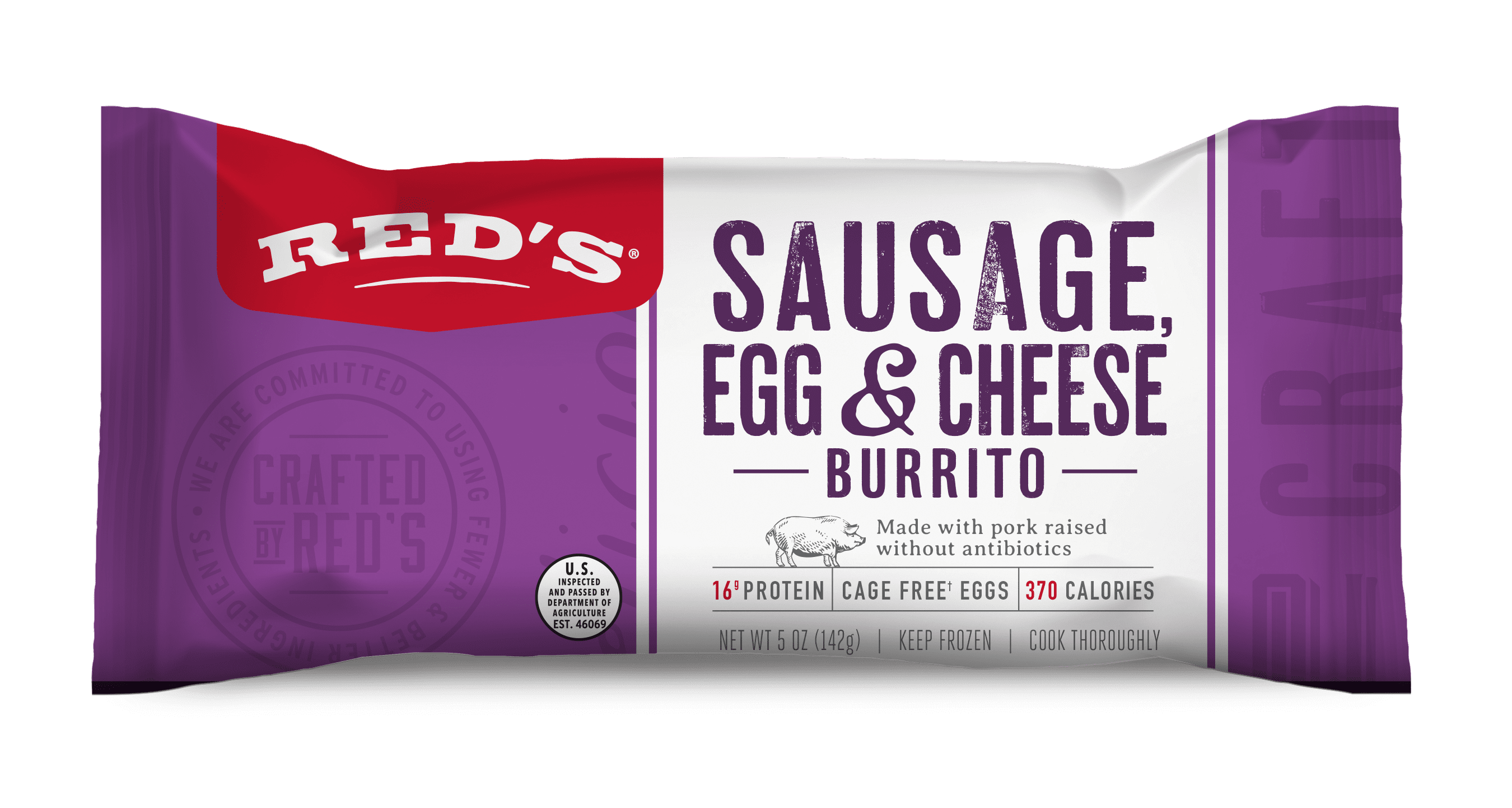


Burrito Sausage, Egg & Cheese
Analysis updated August 2026 · How Scout scores
At a glance
Summary
This burrito contains beneficial ingredients like pork, whole eggs, and whole milk, which provide high-quality protein and essential nutrients. However, it also includes canola oil, a refined seed oil that can promote inflammation, and added sugars, which contribute to metabolic health risks. The presence of natural flavoring and the processed nature of the product further impact its healthiness, limiting its score.
Key ingredients 26
PorkGood
Pork is a rich source of high-quality protein and essential nutrients. It provides vitamins like B12 and minerals such as zinc and iron. When consumed in moderation, it supports muscle growth and maintenance.
Risks
Excessive consumption of processed pork products can lead to increased risk of heart disease due to high saturated fat content.
Benefits
Provides essential amino acids and nutrients that support overall health and well-being.
SpicesGood
Spices add flavor and aroma to foods and may have antioxidant properties. They can enhance the palatability of dishes without adding calories. Some spices have anti-inflammatory and antimicrobial effects.
Benefits
May provide antioxidant benefits and enhance flavor without adding calories.
Whole EggsGood
Whole eggs are a complete protein source and provide essential nutrients like choline and vitamin D. They support muscle growth and brain health. Eggs are versatile and nutrient-dense, making them a valuable dietary component.
Risks
Some individuals may be allergic to eggs, and excessive consumption can increase cholesterol levels.
Benefits
Rich in high-quality protein and essential nutrients that support overall health.
Whole MilkGood
Whole milk is a source of calcium, vitamin D, and high-quality protein. It supports bone health and provides essential nutrients for growth and development. The fat content in whole milk can aid in the absorption of fat-soluble vitamins.
Risks
Lactose intolerance can cause digestive issues for some individuals.
Benefits
Supports bone health and provides essential nutrients for growth and development.
Sea SaltGood
Sea salt is a minimally processed source of sodium and trace minerals. It is used to enhance flavor and preserve foods. Unlike refined salt, it retains some natural minerals.
Risks
Excessive sodium intake can lead to hypertension and cardiovascular issues.
Benefits
Provides essential sodium and trace minerals that support electrolyte balance.
White PepperGood
White pepper adds flavor and has potential antioxidant properties. It is derived from the ripe seeds of the pepper plant and is used to enhance the taste of dishes. It may aid digestion and improve nutrient absorption.
Benefits
May provide antioxidant benefits and enhance flavor without adding calories.
Pasteurized MilkGood
Pasteurized milk is a source of calcium, vitamin D, and protein. Pasteurization ensures safety by eliminating harmful bacteria. It supports bone health and provides essential nutrients for growth.
Risks
Lactose intolerance can cause digestive issues for some individuals.
Benefits
Supports bone health and provides essential nutrients for growth and development.
Cheese CulturesGood
Cheese cultures are beneficial bacteria used in cheese production. They aid in fermentation and contribute to the development of flavor and texture. These cultures can also support gut health.
Benefits
Supports gut health and contributes to the flavor and texture of cheese.
CreamGood
Cream is a dairy product rich in fat-soluble vitamins and provides a creamy texture to foods. It enhances flavor and mouthfeel in culinary applications. Cream is a source of energy and essential fatty acids.
Risks
High in saturated fats, which can contribute to heart disease if consumed in excess.
Benefits
Provides a rich source of energy and enhances the flavor and texture of foods.
Beta-CaroteneGood
Beta-carotene is a precursor to vitamin A and acts as an antioxidant. It is used as a natural coloring agent and supports eye health. Beta-carotene is found in various fruits and vegetables and is beneficial for overall health.
Benefits
Supports eye health and provides antioxidant benefits.
Jalapeño PeppersGood
Jalapeño peppers add flavor and heat to foods and are rich in vitamins A and C. They contain capsaicin, which may have anti-inflammatory properties. Jalapeños can enhance metabolism and provide a spicy kick to dishes.
Risks
May cause digestive discomfort in sensitive individuals.
Benefits
Rich in vitamins and may have anti-inflammatory and metabolism-boosting properties.
Green Chile PeppersGood
Green chile peppers are a source of vitamins A and C and add flavor and heat to foods. They contain capsaicin, which may have anti-inflammatory and metabolism-boosting effects. Green chiles are commonly used in various cuisines for their flavor and health benefits.
Risks
May cause digestive discomfort in sensitive individuals.
Benefits
Rich in vitamins and may have anti-inflammatory and metabolism-boosting properties.
Organic Whole Wheat FlourGood
Organic whole wheat flour is a source of fiber, vitamins, and minerals. It retains the bran and germ, providing more nutrients than refined flour. Organic certification ensures it is free from synthetic pesticides and fertilizers.
Risks
May cause allergic reactions in individuals with gluten intolerance or celiac disease.
Benefits
Provides fiber and essential nutrients, supporting digestive health and overall nutrition.
SaltNeutral
Salt is used as a seasoning and preservative in foods. It is essential for maintaining fluid balance and nerve function. However, excessive intake can lead to hypertension.
Risks
High sodium intake is associated with increased risk of hypertension and cardiovascular diseases.
Benefits
Essential for maintaining electrolyte balance and proper muscle function.
Corn StarchNeutral
Corn starch is used as a thickening agent in foods. It is a refined carbohydrate that provides energy but lacks significant nutrients. It is commonly used in processed foods to improve texture.
See more about Corn Starch →EnzymesNeutral
Enzymes are used in cheese production to aid in coagulation and flavor development. They are naturally occurring proteins that facilitate biochemical reactions. Enzymes are essential for the production of various dairy products.
Benefits
Essential for the production of cheese and other dairy products.
AnnattoNeutral
Annatto is a natural coloring agent derived from the seeds of the achiote tree. It is used to impart a yellow or orange color to foods. Annatto is considered safe and is commonly used in cheese and other dairy products.
Benefits
Provides natural coloring without artificial additives.
WaterNeutral
Water is used as a solvent and to adjust the consistency of food products. It is essential for hydration and various bodily functions. In food processing, it helps in mixing and blending ingredients.
Benefits
Essential for hydration and various bodily functions.
Apo-CarotenalNeutral
Apo-carotenal is a natural coloring agent derived from carotenoids. It is used to impart an orange color to foods. It is considered safe and is often used in dairy products and beverages.
Benefits
Provides natural coloring without artificial additives.
Natural EnzymesNeutral
Natural enzymes are used in food processing to aid in digestion and improve texture. They are naturally occurring proteins that facilitate biochemical reactions. Enzymes are essential for the production of various food products.
Benefits
Essential for the production and processing of various food products.
SugarBad
Sugar is a refined carbohydrate that provides quick energy but lacks essential nutrients. Excessive consumption can lead to weight gain and increased risk of metabolic diseases. It is often added to enhance flavor in processed foods.
Risks
High sugar intake is linked to obesity, type 2 diabetes, and dental cavities.
Natural FlavoringBad
Natural flavoring is a broad term that can include a variety of substances derived from natural sources. It is often used to enhance flavor but lacks nutritional value. The lack of transparency can be concerning for those with allergies or sensitivities.
Risks
Potential allergen risk due to lack of specific ingredient disclosure.
Sodium PhosphateBad
Processed additive flagged under Scout's ingredient doctrine.
Risks
Excessive intake may lead to imbalances in phosphate levels, affecting kidney function.
Benefits
Helps maintain texture and moisture in processed foods.
Wheat FlourBad
Refined grain flour stripped of bran and germ.
Risks
May cause allergic reactions in individuals with gluten intolerance or celiac disease.
Benefits
Provides energy through carbohydrates but lacks significant nutritional benefits.
Cane SugarBad
Cane sugar is a refined carbohydrate that provides quick energy but lacks essential nutrients. Excessive consumption can lead to weight gain and increased risk of metabolic diseases. It is often added to enhance flavor in processed foods.
Risks
High sugar intake is linked to obesity, type 2 diabetes, and dental cavities.
Canola OilVery Bad
Canola oil is a refined seed oil high in omega-6 fatty acids, which can promote inflammation. It is often used in processed foods due to its neutral flavor and high smoke point. The refining process can strip beneficial nutrients and introduce harmful compounds.
Risks
High omega-6 content may promote inflammation when consumed in excess.
Processing
Processed Foods
Get the full breakdown in the Scout appTake Scout shopping
Scan any product to see lab results, healthy alternatives, and your personalized analysis.
Download on theApp Store GET IT ONGoogle Play