FAT FREE SMALL CURD COTTAGE CHEESE
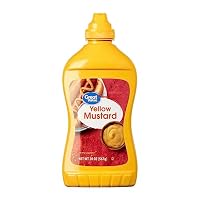
Great ValueSwap it for
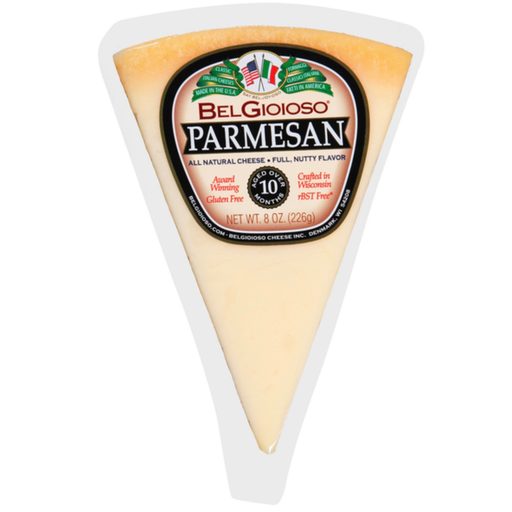 BelGioioso Parmesan Cheese BelGioioso · 5 oz View on Amazon
See moreSee less
-
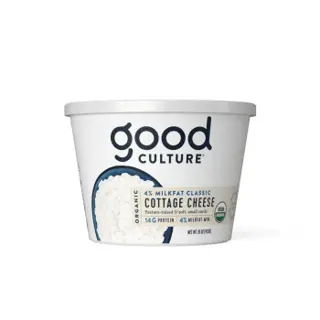
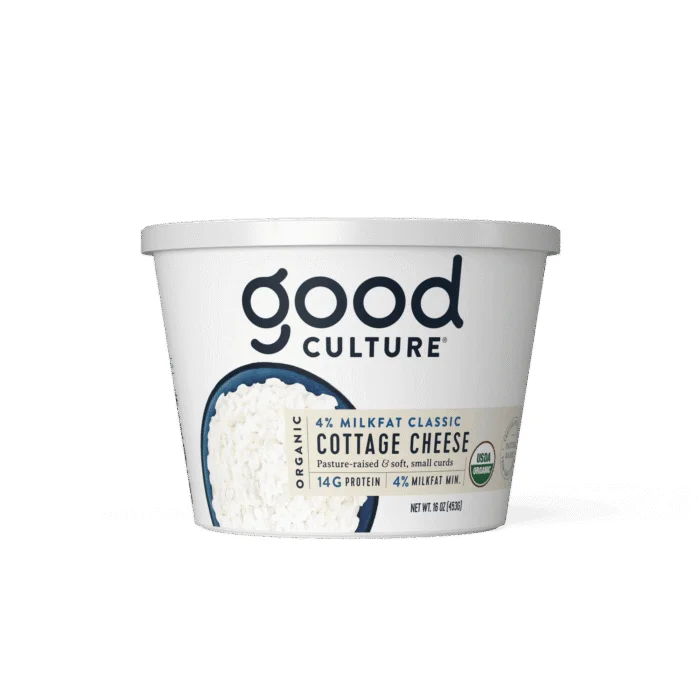 Good Culture Organic Whole Milk Cottage Cheese Good Culture View on Amazon
-
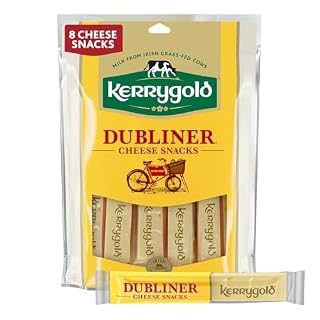
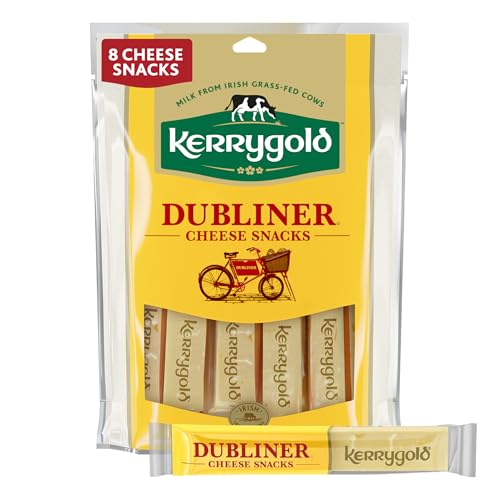 Kerrygold Dubliner Cheese Kerrygold View on Amazon
-
 Président Soft-Ripened Brie President View on Amazon
-
 Trader Joe's Lite Cheddar Cheese Trader Joe's View on Amazon
-
 Galbani STRING CHEESE Galbani View on Amazon
-
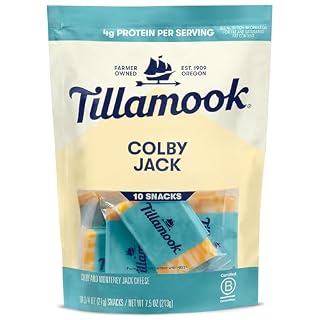
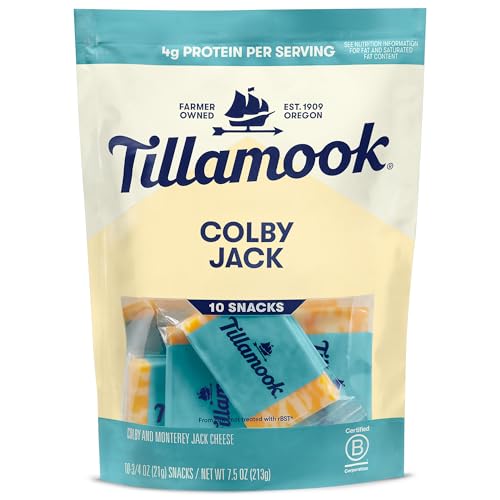 TILLAMOOK, DELI SLICED COLBY JACK CHEESE Tillamook View on Amazon
-
 Daisy Cottage Cheese Daisy View on Amazon
-
 Good Culture LOW-FAT CLASSIC SIMPLY COTTAGE CHEESE Good Culture View on Amazon
-
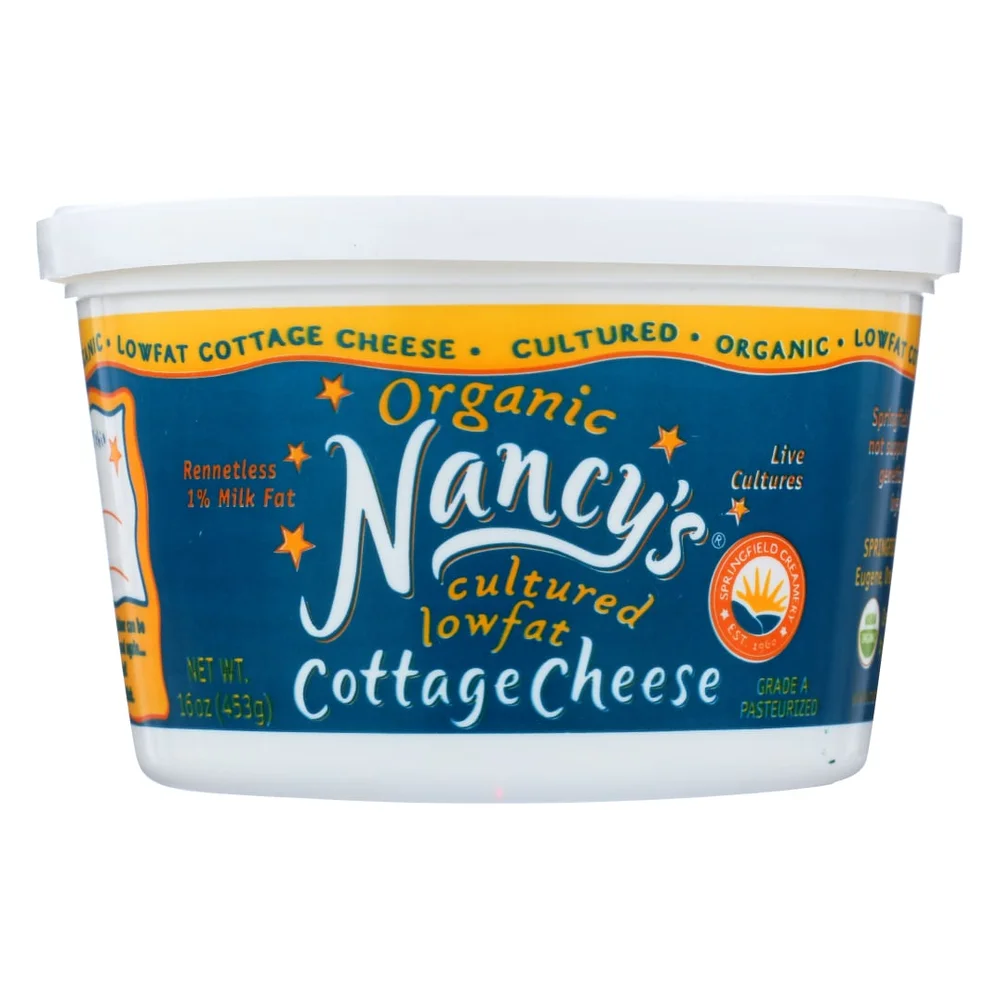 Nancy's Organic Cultured Lowfat Cottage Cheese Nancy's View on Amazon
Near you
Great Value is carried at Walmart stores. Find one within 25 miles.
At a glance
FDA recall notice
This product's barcode is listed in an FDA recall notice. A recall covers only the packages its notice lists, so check yours against it.
Summary
This fat-free cottage cheese is heavily processed, containing multiple additives such as artificial color, maltodextrin, and various gums, which contribute to its ultra-processed nature. While it includes beneficial ingredients like skim milk and cheese cultures, the presence of these additives and the processing level significantly impact its healthiness. The product's artificial color and emulsifiers raise concerns about potential health effects, further lowering its score.
Key ingredients 16
Artificial colorBad
Artificial colors are synthetic additives used to enhance the appearance of food products. They are often criticized for potential health concerns and lack of nutritional value. Some artificial colors have been linked to allergic reactions and hyperactivity in children.
Risks
May cause allergic reactions and hyperactivity in sensitive individuals.
MaltodextrinBad
Maltodextrin is a highly processed carbohydrate used as a thickener or filler in food products. It has a high glycemic index, which can cause rapid spikes in blood sugar levels. It provides no significant nutritional benefits and is often used in processed foods.
Risks
Can cause rapid blood sugar spikes and may contribute to insulin resistance if consumed in excess.
Mono and diglyceridesBad
Mono and diglycerides are emulsifiers used to improve texture and extend shelf life in processed foods. They are derived from oils and can contain trans fats, which are associated with negative health effects. Their presence in food products is often criticized due to potential health concerns.
Risks
May contain trans fats, which are linked to increased risk of heart disease.
CarrageenanBad
Carrageenan is a thickening agent derived from red seaweed, used to improve texture in dairy products. It has been linked to digestive inflammation and other health concerns in some studies. Its use in food products is controversial due to potential adverse health effects.
Risks
Linked to digestive inflammation and other health concerns in some studies.
Potassium sorbateBad
Synthetic preservative — flagged in daily-use products.
Risks
May cause allergic reactions in sensitive individuals.
Benefits
Helps extend the shelf life of food products by inhibiting mold and yeast growth.
Skim milkNeutral
Standard formulation ingredient — neither beneficial nor harmful at typical use.
Benefits
Provides essential nutrients such as calcium and protein, supporting bone health and muscle maintenance.
Nonfat dry milkNeutral
Nonfat dry milk is a dehydrated form of skim milk that retains its nutritional profile. It is used to enhance the protein content and texture of dairy products. While it is a convenient source of nutrients, it lacks the natural fat content found in whole milk.
Benefits
Offers a concentrated source of protein and calcium, beneficial for bone health and muscle function.
LactoseNeutral
Lactose is a natural sugar found in milk and dairy products. It serves as a carbohydrate source and can enhance the sweetness of dairy products. Some individuals may experience lactose intolerance, leading to digestive discomfort.
Risks
May cause digestive issues in lactose-intolerant individuals.
Benefits
Provides a source of energy and can enhance the flavor profile of dairy products.
SaltNeutral
Salt is used to enhance flavor and preserve food. It is a common ingredient in many processed foods and can contribute to sodium intake. Excessive consumption may lead to health issues such as hypertension.
Risks
High sodium intake can contribute to hypertension and cardiovascular issues.
Benefits
Enhances flavor and acts as a preservative in food products.
Guar gumNeutral
Standard formulation ingredient — neither beneficial nor harmful at typical use.
Risks
May cause digestive issues such as bloating and gas in sensitive individuals.
Locust bean gumNeutral
Locust bean gum is a natural thickening agent derived from carob seeds. It is used to improve texture and stability in food products. While generally safe, it can cause digestive issues in some individuals when consumed in large amounts.
Risks
May cause digestive discomfort in sensitive individuals when consumed in large amounts.
Benefits
Provides a natural alternative to synthetic thickeners and stabilizers.
Xanthan gumNeutral
Fermentation-derived thickener, well tolerated at food-use levels.
Risks
May cause digestive issues such as bloating and gas in sensitive individuals.
Citric acidNeutral
Citric acid is a natural preservative and flavor enhancer found in citrus fruits. It is widely used in food products to add acidity and improve shelf life. While generally safe, excessive consumption may cause tooth enamel erosion.
Risks
Excessive consumption may lead to tooth enamel erosion.
Benefits
Acts as a natural preservative and enhances flavor in food products.
Carbon dioxideNeutral
Carbon dioxide is used in food packaging to maintain freshness by reducing oxygen exposure. It is a natural gas and is generally recognized as safe for use in food preservation. Its use helps prevent spoilage and extend shelf life.
Benefits
Helps maintain freshness and extend the shelf life of packaged foods.
Vitamin A palmitateNeutral
Vitamin A palmitate is a synthetic form of vitamin A used to fortify foods. It helps maintain vision, immune function, and skin health. While beneficial, excessive intake can lead to toxicity, so it should be consumed in moderation.
Risks
Excessive intake can lead to vitamin A toxicity.
Benefits
Supports vision, immune function, and skin health.
Cheese culturesGood
Cheese cultures are beneficial bacteria used in the fermentation process of cheese making. They contribute to the development of flavor and texture in cheese products. These cultures can also provide probiotic benefits, supporting gut health.
Benefits
Contribute to flavor development and may provide probiotic benefits for gut health.
Processing
Ultra-Processed Foods
Get the full breakdown in the Scout appTake Scout shopping
Scan any product to see lab results, healthy alternatives, and your personalized analysis.
Are you Great Value? Fix an error Get the badge Get tested
Amazon pricing & content
CERTAIN CONTENT THAT APPEARS ON THIS SITE COMES FROM AMAZON. THIS CONTENT IS PROVIDED “AS IS” AND IS SUBJECT TO CHANGE OR REMOVAL AT ANY TIME.