






At a glance
Summary
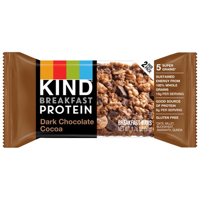
This protein bar contains several beneficial ingredients such as almonds, peanuts, and chicory root fiber, which contribute to its nutritional value. However, it is heavily processed and includes palm kernel oil, a high-saturated fat ingredient, and natural flavors, which are less transparent and can mask the quality of the product. The presence of these processed ingredients and the overall level of processing limit its health rating.
Key ingredients 19
AlmondsGood
Almonds are a nutrient-dense nut rich in healthy fats, protein, and fiber. They provide essential vitamins and minerals, including vitamin E and magnesium. Their consumption is associated with improved heart health and reduced inflammation.
Risks
Potential allergen for individuals with nut allergies.
Benefits
Rich in monounsaturated fats that support heart health and provide anti-inflammatory properties.
PeanutsGood
Peanuts are a good source of protein, healthy fats, and various vitamins and minerals. They contain resveratrol, an antioxidant that may have heart-protective effects. Regular consumption can support heart health and weight management.
Risks
Potential allergen for individuals with peanut allergies.
Benefits
Provides protein and healthy fats that can support heart health and satiety.
Chicory Root FiberGood
Chicory root fiber is a prebiotic fiber that supports gut health by promoting beneficial bacteria growth. It is often used to increase fiber content in foods. Its consumption can aid in digestion and improve bowel regularity.
Risks
Excessive consumption may cause digestive discomfort in some individuals.
Benefits
Supports gut health by promoting the growth of beneficial bacteria.
CocoaGood
Cocoa is rich in flavonoids, which are antioxidants that can support heart health and reduce inflammation. It is also a source of magnesium and other minerals. Consuming cocoa can improve mood and cognitive function.
Benefits
Rich in antioxidants that support heart health and reduce inflammation.
Sea SaltGood
Sea salt is a natural source of sodium and trace minerals. It is less processed than table salt and can enhance the flavor of foods. Its trace mineral content can contribute to electrolyte balance.
Risks
Excessive sodium intake can lead to high blood pressure and cardiovascular issues.
Benefits
Provides essential minerals and enhances flavor with less processing than table salt.
Unsweetened ChocolateGood
Unsweetened chocolate is a pure form of chocolate that contains cocoa solids and cocoa butter. It is rich in antioxidants and can support heart health. Its consumption can improve mood and cognitive function.
Benefits
Rich in antioxidants that support heart health and improve mood.
Peanut ButterGood
Peanut butter is a nutrient-dense spread made from peanuts, providing protein, healthy fats, and various vitamins and minerals. It can support heart health and provide sustained energy. Its creamy texture and flavor make it a versatile ingredient.
Risks
Potential allergen for individuals with peanut allergies.
Benefits
Provides protein and healthy fats that support heart health and satiety.
Cocoa ButterGood
Cocoa butter is a natural fat extracted from cocoa beans, rich in healthy fats and antioxidants. It is used to improve texture and flavor in chocolate products. Its consumption can support skin health and provide anti-inflammatory benefits.
Benefits
Rich in healthy fats and antioxidants that support skin health and reduce inflammation.
Almond OilGood
Almond oil is rich in monounsaturated fats and vitamin E, supporting heart health and skin health. It is extracted from almonds and used for its mild flavor and health benefits. Its consumption can provide anti-inflammatory effects.
Risks
Potential allergen for individuals with nut allergies.
Benefits
Rich in monounsaturated fats and vitamin E, supporting heart and skin health.
Vanilla ExtractGood
Vanilla extract is a natural flavoring derived from vanilla beans, providing a rich aroma and taste. It contains antioxidants that can support overall health. Its use enhances the flavor profile of foods without adding significant calories.
Benefits
Provides a rich flavor and aroma with antioxidant properties.
Mixed Tocopherols (Vitamin E)Good
Mixed tocopherols are a form of vitamin E used as an antioxidant to preserve freshness in foods. They support immune function and skin health. Their inclusion helps extend the shelf life of products while providing health benefits.
Benefits
Acts as an antioxidant, supporting immune function and skin health.
AlluloseNeutral
Allulose is a low-calorie sweetener that mimics the taste of sugar without the calories. It is not metabolized by the body, thus having minimal impact on blood sugar levels. It is generally recognized as safe but lacks significant nutritional benefits.
Risks
Excessive consumption may cause digestive discomfort in some individuals.
Benefits
Provides sweetness with minimal impact on blood sugar levels.
Tapioca FiberNeutral
Tapioca fiber is a soluble fiber derived from the cassava root. It is used to improve texture and add fiber content to foods. While it contributes to dietary fiber intake, it lacks the nutrient density of whole food sources of fiber.
Benefits
Contributes to dietary fiber intake, which can support digestive health.
Brown Rice ProteinNeutral
Brown rice protein is a plant-based protein source that is hypoallergenic and easily digestible. It provides a moderate amino acid profile but is less complete compared to animal-based proteins. It is a suitable option for those avoiding animal products.
Benefits
Offers a plant-based protein option that is hypoallergenic and easily digestible.
Stevia ExtractNeutral
Stevia extract is a natural, zero-calorie sweetener derived from the stevia plant. It provides sweetness without impacting blood sugar levels. It is generally recognized as safe with no significant health concerns.
Benefits
Provides sweetness without calories or impact on blood sugar levels.
Palm Kernel OilBad
Palm kernel oil is high in saturated fats, which can raise LDL cholesterol levels. It is often used in processed foods due to its stability and low cost. Its production is associated with environmental concerns, including deforestation.
Risks
High saturated fat content may contribute to increased cholesterol levels and heart disease risk.
Benefits
Provides a stable fat source for food processing, but lacks significant health benefits.
Natural FlavorBad
Natural flavors are additives used to enhance taste, but their exact composition is often undisclosed. They can contain a variety of chemicals and are highly processed. Their use can mask the quality of the underlying ingredients.
Risks
May contain undisclosed chemicals and allergens, posing a risk to sensitive individuals.
Sunflower LecithinBad
Sunflower lecithin is an emulsifier used to improve texture and mixability in foods. It is a processed ingredient derived from sunflower seeds. While it is less concerning than seed oils, it still lacks significant nutritional benefits.
Risks
May cause digestive issues in sensitive individuals.
Benefits
Improves texture and mixability in food products.
Peanut OilBad
Processed additive flagged under Scout's ingredient doctrine.
Risks
Potential allergen for individuals with peanut allergies.
Benefits
Contains monounsaturated fats that can support heart health.
Processing
Ultra-Processed Foods
Get the full breakdown in the Scout appTake Scout shopping
Scan any product to see lab results, healthy alternatives, and your personalized analysis.
Download on theApp Store GET IT ONGoogle Play