Abbott Optigro grow & gain vanilla shake
Swap it for
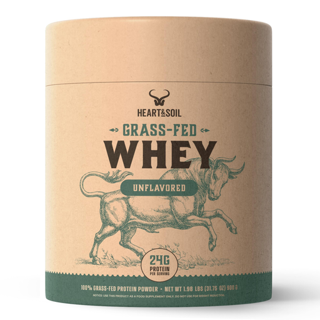
 Heart & Soil Grass Fed Whey Protein Heart & Soil · 2 lb View on Amazon · $73.00 See all Protein Powders, ranked
At a glance
Summary
This product is heavily processed and contains several concerning ingredients such as a blend of vegetable oils, corn maltodextrin, and sucralose. The presence of artificial flavors and multiple emulsifiers further contributes to its high processing level. While it includes some beneficial ingredients like milk protein concentrate and prebiotic fibers, the overall formulation is dominated by additives and processed components, which significantly impacts its healthiness.
Key ingredients 45
Corn MaltodextrinBad
Corn maltodextrin is a highly processed carbohydrate used as a filler and thickener. It has a high glycemic index, which can lead to rapid spikes in blood sugar levels. The processing method strips away most nutrients, leaving it with little nutritional value.
Risks
High glycemic index may contribute to blood sugar spikes and insulin resistance.
SugarBad
Sugar is a simple carbohydrate that can contribute to increased calorie intake and potential weight gain. Excessive consumption is linked to various health issues, including obesity and dental problems. It is often added for taste but offers no nutritional benefits.
Risks
Excessive intake can lead to obesity, diabetes, and dental issues.
Natural And Artificial FlavorsBad
Natural and artificial flavors are used to enhance taste but offer no nutritional value. Artificial flavors are chemically synthesized and may pose health concerns. The lack of transparency in flavor sources is a concern.
Risks
Potential for allergic reactions and health concerns from artificial additives.
Mono And DiglyceridesBad
Mono and diglycerides are emulsifiers that help blend ingredients but are often derived from partially hydrogenated oils. They may contain trans fats, which are linked to heart disease. Their processing and potential trans fat content are concerns.
Risks
May contain trans fats, which are associated with increased heart disease risk.
Soy LecithinBad
Soy lecithin is an emulsifier derived from soybeans, often genetically modified. It is used to improve texture and blend ingredients. The potential for GMO content and allergenicity are concerns.
Risks
Potential allergen and may be derived from genetically modified soybeans.
Benefits
Improves texture and consistency of the product.
CarrageenanBad
Carrageenan is a thickener derived from seaweed but is controversial due to potential inflammatory effects. It is used to improve texture but has been linked to digestive issues. The processing method may impact gut health negatively.
Risks
Linked to digestive issues and potential inflammation.
SucraloseBad
Sucralose is an artificial sweetener that provides sweetness without calories. It is chemically synthesized and may affect gut bacteria negatively. Long-term health impacts are still under study.
Risks
May negatively impact gut bacteria and has potential long-term health concerns.
Benefits
Provides sweetness without adding calories.
Copper SulfateBad
Processed additive flagged under Scout's ingredient doctrine.
Risks
Excessive intake may lead to copper toxicity.
Benefits
Supports iron metabolism and provides antioxidant protection.
WaterNeutral
Water is a neutral ingredient used as a solvent and base for the shake. It does not contribute any nutritional value but is essential for the product's consistency. No significant processing concerns are associated with water.
See more about Water →Blend Of Vegetable OilsNeutral
The blend of vegetable oils includes high-oleic oils, which are bred to be low in linoleic acid and are considered neutral in this context. These oils provide essential fatty acids but can be highly processed. The specific oils used are not detailed, which limits the analysis.
Risks
Potential for high processing and lack of transparency in oil types.
Benefits
Provides essential fatty acids that are necessary for various bodily functions.
Gum ArabicNeutral
Gum arabic is a natural emulsifier and stabilizer used to improve texture. It is derived from acacia trees and is generally considered safe. It does not contribute significant nutritional value.
Benefits
Helps stabilize and improve the texture of the product.
Cellulose GelNeutral
Cellulose gel is a plant-derived thickener and stabilizer. It is used to improve texture and consistency without adding calories. It is generally recognized as safe but offers no nutritional benefits.
Benefits
Improves texture and consistency of the product.
Cellulose GumNeutral
Cellulose gum is a thickening agent derived from plant fibers. It is used to stabilize and thicken products without adding calories. It is considered safe but does not provide nutritional benefits.
Benefits
Enhances texture and stability of the product.
SaltNeutral
Salt is used to enhance flavor and preserve the product. It is essential for maintaining fluid balance but should be consumed in moderation. The processing is minimal, retaining its natural properties.
Risks
Excessive intake can lead to high blood pressure and cardiovascular issues.
Benefits
Essential for maintaining fluid balance and nerve function.
Vitamin A PalmitateNeutral
Standard formulation ingredient — neither beneficial nor harmful at typical use.
Risks
Excessive intake may lead to vitamin A toxicity.
Benefits
Supports vision and immune function.
Folic AcidNeutral
Standard formulation ingredient — neither beneficial nor harmful at typical use.
Benefits
Supports DNA synthesis and cell division.
Milk Protein ConcentrateGood
Milk protein concentrate is a high-quality protein source that provides essential amino acids. It is beneficial for muscle repair and growth. The processing retains most of the protein's nutritional value.
Risks
Potential allergen for individuals with milk allergies.
Benefits
Rich in essential amino acids, supporting muscle repair and growth.
Short-Chain FructooligosaccharidesGood
Short-chain fructooligosaccharides are prebiotic fibers that support gut health by promoting beneficial bacteria growth. They are minimally processed and contribute to digestive health. These fibers can enhance nutrient absorption.
Risks
Excessive intake may cause digestive discomfort in some individuals.
Benefits
Supports gut health and enhances nutrient absorption.
Vitamins And MineralsGood
Vitamins and minerals are essential nutrients that support various bodily functions. They are included to enhance the nutritional profile of the shake. The specific vitamins and minerals are beneficial for overall health.
Benefits
Essential for maintaining overall health and supporting bodily functions.
Potassium CitrateGood
Potassium citrate is a potassium salt that helps regulate acidity and provides essential potassium. It supports heart and muscle function. The processing retains its nutritional benefits.
Risks
Excessive intake may lead to hyperkalemia, especially in individuals with kidney issues.
Benefits
Supports heart and muscle function by providing essential potassium.
TaurineGood
Taurine is an amino acid that supports cardiovascular health and muscle function. It is naturally occurring and beneficial for energy metabolism. The processing retains its beneficial properties.
Benefits
Supports cardiovascular health and energy metabolism.
ARAGood
ARA (Arachidonic Acid) is an omega-6 fatty acid important for brain development and inflammation regulation. It is naturally occurring and beneficial in moderate amounts. The processing retains its nutritional benefits.
Risks
Excessive intake may contribute to inflammation.
Benefits
Supports brain development and inflammation regulation.
LuteinGood
Lutein is a carotenoid that supports eye health and may reduce the risk of age-related macular degeneration. It is naturally occurring and beneficial for vision. The processing retains its beneficial properties.
Benefits
Supports eye health and may reduce the risk of macular degeneration.
LycopeneGood
Lycopene is a powerful antioxidant that supports heart health and may reduce cancer risk. It is naturally occurring and beneficial for overall health. The processing retains its antioxidant properties.
Benefits
Supports heart health and may reduce cancer risk.
L-CarnitineGood
L-Carnitine is an amino acid derivative that supports energy production and fat metabolism. It is beneficial for athletic performance and recovery. The processing retains its beneficial properties.
Benefits
Supports energy production and fat metabolism.
InositolGood
Inositol is a carbohydrate that supports cell membrane health and neurotransmitter function. It is beneficial for mental health and metabolic processes. The processing retains its beneficial properties.
Benefits
Supports cell membrane health and neurotransmitter function.
Ascorbic AcidGood
Ascorbic acid, also known as vitamin C, is an essential nutrient that supports immune function and collagen synthesis. It is beneficial for overall health and antioxidant protection. The processing retains its nutritional benefits.
Benefits
Supports immune function and collagen synthesis.
Sodium AscorbateGood
Sodium ascorbate is a form of vitamin C that supports immune health and antioxidant protection. It is beneficial for overall health and is less acidic than ascorbic acid. The processing retains its beneficial properties.
Benefits
Supports immune health and provides antioxidant protection.
NiacinamideGood
Niacinamide is a form of vitamin B3 that supports skin health and energy metabolism. It is beneficial for overall health and cellular function. The processing retains its nutritional benefits.
Benefits
Supports skin health and energy metabolism.
Calcium PantothenateGood
Calcium pantothenate is a form of vitamin B5 that supports energy metabolism and hormone synthesis. It is beneficial for overall health and stress response. The processing retains its beneficial properties.
Benefits
Supports energy metabolism and hormone synthesis.
Zinc SulfateGood
Zinc sulfate is a mineral that supports immune function and wound healing. It is beneficial for overall health and cellular function. The processing retains its nutritional benefits.
Risks
Excessive intake may lead to zinc toxicity.
Benefits
Supports immune function and wound healing.
Dl-Alpha-Tocopheryl AcetateGood
Dl-alpha-tocopheryl acetate is a form of vitamin E that provides antioxidant protection and supports skin health. It is beneficial for overall health and cellular protection. The processing retains its beneficial properties.
Benefits
Provides antioxidant protection and supports skin health.
Ferrous SulfateGood
Ferrous sulfate is a form of iron that supports oxygen transport and energy production. It is beneficial for preventing anemia and supporting overall health. The processing retains its nutritional benefits.
Risks
Excessive intake may lead to iron toxicity.
Benefits
Supports oxygen transport and prevents anemia.
Manganese SulfateGood
Manganese sulfate is a mineral that supports bone health and enzyme function. It is beneficial for overall health and metabolic processes. The processing retains its beneficial properties.
Risks
Excessive intake may lead to manganese toxicity.
Benefits
Supports bone health and enzyme function.
Thiamine HydrochlorideGood
Thiamine hydrochloride is a form of vitamin B1 that supports energy metabolism and nerve function. It is beneficial for overall health and cognitive function. The processing retains its nutritional benefits.
Benefits
Supports energy metabolism and nerve function.
Pyridoxine HydrochlorideGood
Pyridoxine hydrochloride is a form of vitamin B6 that supports neurotransmitter synthesis and immune function. It is beneficial for overall health and metabolic processes. The processing retains its beneficial properties.
Benefits
Supports neurotransmitter synthesis and immune function.
RiboflavinGood
Riboflavin, also known as vitamin B2, supports energy production and antioxidant protection. It is beneficial for overall health and cellular function. The processing retains its nutritional benefits.
Benefits
Supports energy production and provides antioxidant protection.
Chromium ChlorideGood
Chromium chloride is a mineral that supports glucose metabolism and insulin sensitivity. It is beneficial for overall health and metabolic processes. The processing retains its nutritional benefits.
Risks
Excessive intake may lead to chromium toxicity.
Benefits
Supports glucose metabolism and insulin sensitivity.
Potassium IodideGood
Potassium iodide is a source of iodine that supports thyroid function and hormone production. It is beneficial for overall health and metabolic processes. The processing retains its beneficial properties.
Risks
Excessive intake may lead to thyroid dysfunction.
Benefits
Supports thyroid function and hormone production.
Sodium MolybdateGood
Sodium molybdate is a source of molybdenum that supports enzyme function and detoxification processes. It is beneficial for overall health and metabolic processes. The processing retains its nutritional benefits.
Benefits
Supports enzyme function and detoxification processes.
Sodium SelenateGood
Sodium selenate is a source of selenium that supports antioxidant protection and thyroid function. It is beneficial for overall health and immune function. The processing retains its beneficial properties.
Risks
Excessive intake may lead to selenium toxicity.
Benefits
Supports antioxidant protection and thyroid function.
BiotinGood
Biotin is a form of vitamin B7 that supports hair, skin, and nail health. It is beneficial for overall health and energy metabolism. The processing retains its nutritional benefits.
Benefits
Supports hair, skin, and nail health.
PhylloquinoneGood
Phylloquinone, also known as vitamin K1, supports blood clotting and bone health. It is beneficial for overall health and cardiovascular function. The processing retains its beneficial properties.
Benefits
Supports blood clotting and bone health.
Vitamin D3Good
Vitamin D3 supports bone health and immune function. It is beneficial for overall health and calcium absorption. The processing retains its nutritional benefits.
Risks
Excessive intake may lead to vitamin D toxicity.
Benefits
Supports bone health and immune function.
CyanocobalaminGood
Cyanocobalamin is a form of vitamin B12 that supports nerve function and red blood cell production. It is beneficial for overall health and energy metabolism. The processing retains its beneficial properties.
Benefits
Supports nerve function and red blood cell production.
Processing
Ultra-Processed Foods
Get the full breakdown in the Scout appTake Scout shopping
Scan any product to see lab results, healthy alternatives, and your personalized analysis.
Are you Abbott? Fix an error Get the badge Get tested
Amazon pricing & content
Amazon price for Heart & Soil Grass Fed Whey Protein as of . Product prices and availability are accurate as of the date/time indicated and are subject to change. Any price and availability information displayed on Amazon.com at the time of purchase will apply to the purchase of this product.
CERTAIN CONTENT THAT APPEARS ON THIS SITE COMES FROM AMAZON. THIS CONTENT IS PROVIDED “AS IS” AND IS SUBJECT TO CHANGE OR REMOVAL AT ANY TIME.