
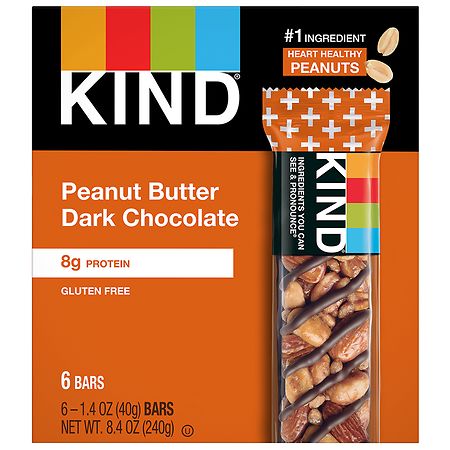
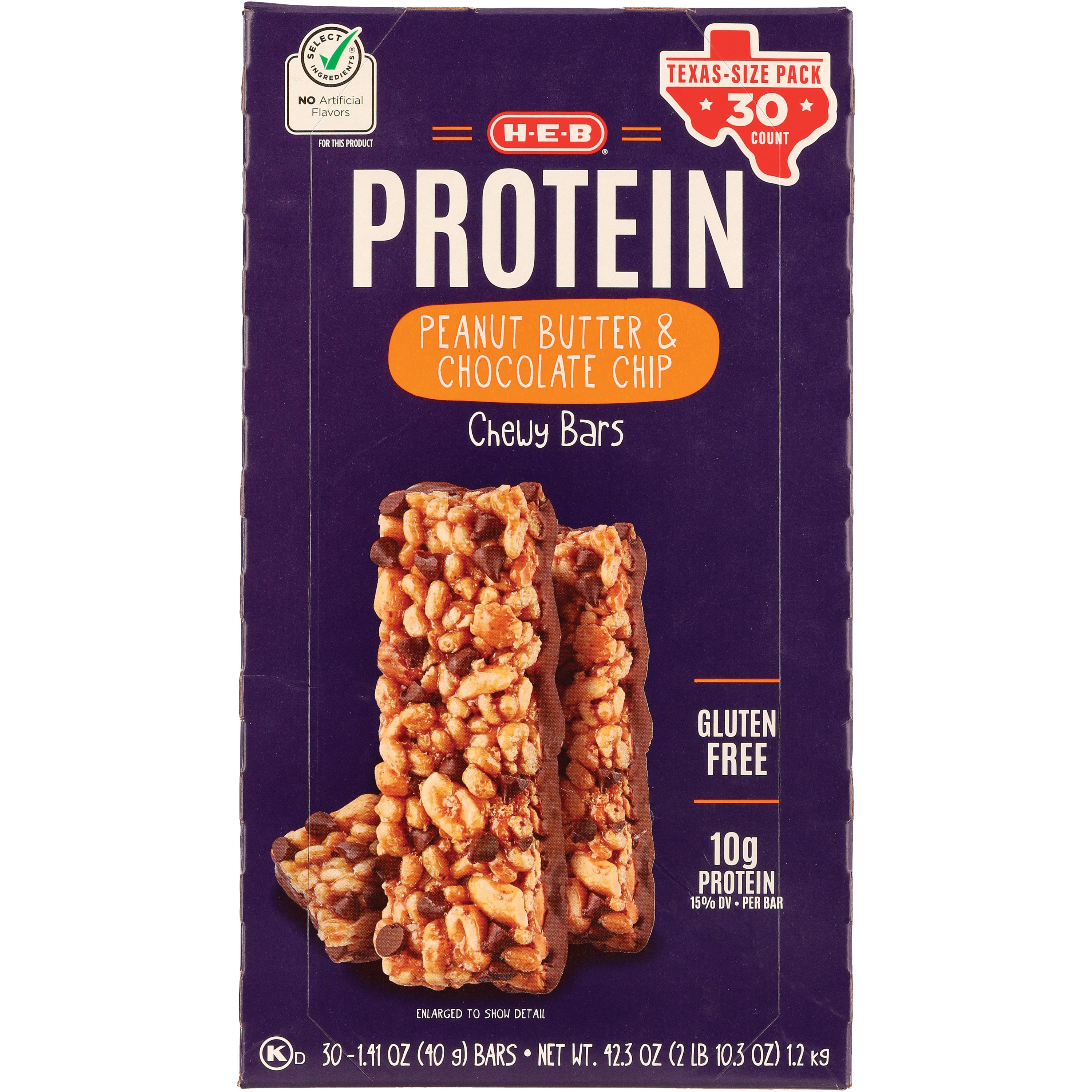
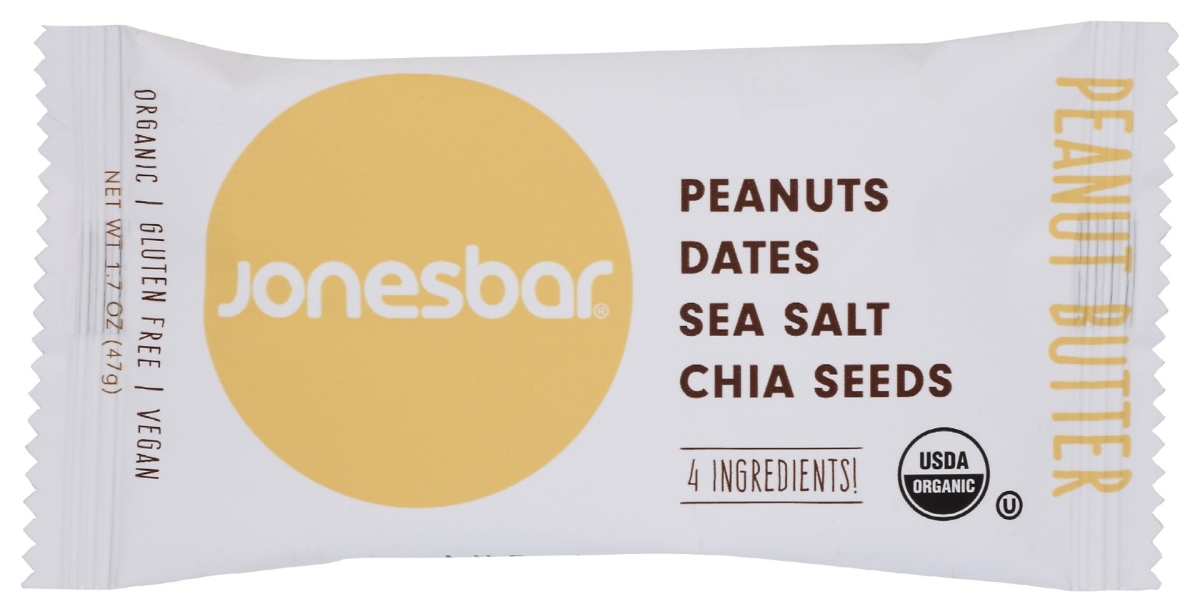
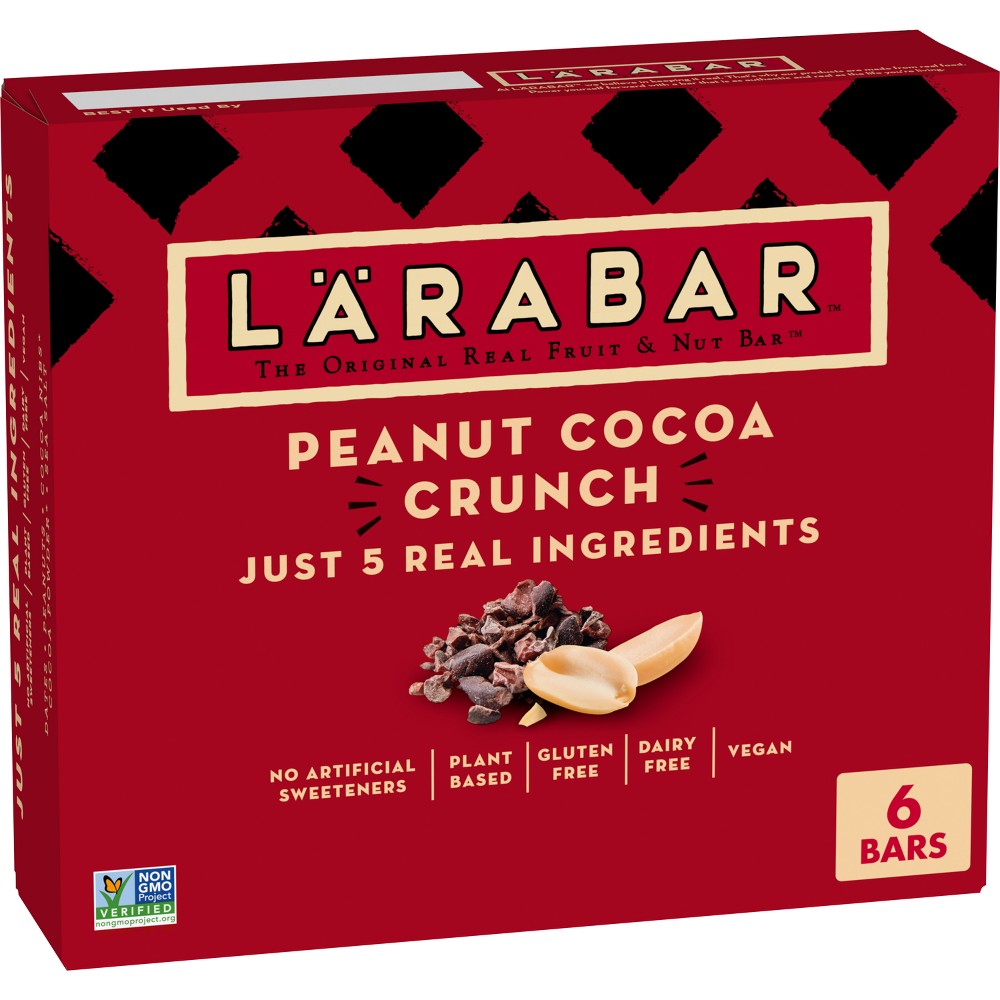


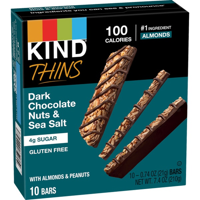
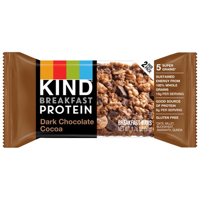


KIND Peanut Butter Dark Chocolate Bars
Analysis updated May 2026 · How Scout scores
At a glance
Summary
This protein bar contains beneficial ingredients like peanuts and almonds, which provide healthy fats and protein. However, it also includes several processed components such as glucose syrup, sugar, and palm kernel oil, which contribute to its high processing level. The presence of soy protein isolate and natural flavors further detracts from its overall healthiness, limiting its score despite some nutritious elements.
Key ingredients 16
PeanutsGood
Peanuts are a good source of protein and healthy fats. They contain monounsaturated fats that support heart health. Additionally, they provide essential nutrients like magnesium and vitamin E.
Risks
Peanuts can be allergenic and may cause severe reactions in sensitive individuals.
Benefits
Rich in protein and healthy fats, supporting heart health and providing essential nutrients.
AlmondsGood
Almonds are a nutrient-dense nut rich in healthy fats, protein, and fiber. They provide vitamin E, magnesium, and antioxidants. Their consumption is associated with improved heart health.
Risks
Almonds can cause allergic reactions in some individuals.
Benefits
Support heart health and provide essential nutrients and antioxidants.
HoneyGood
Traditional whole-food sweetener with trace enzymes and antioxidants.
Risks
Excessive consumption can lead to increased sugar intake and related health issues.
Benefits
Contains antioxidants and is less processed than refined sugars.
Peanut ButterGood
Peanut butter is a nutrient-rich spread made from peanuts. It provides healthy fats, protein, and essential vitamins and minerals. Its consumption supports heart health and satiety.
Risks
May cause allergic reactions in individuals sensitive to peanuts.
Benefits
Rich in healthy fats and protein, supporting heart health and providing essential nutrients.
Unsweetened ChocolateGood
Unsweetened chocolate is rich in antioxidants and flavonoids, which support heart health. It contains minimal sugar and provides a source of magnesium and iron. Its consumption in moderation can be beneficial.
Risks
Excessive consumption may lead to high calorie intake.
Benefits
Rich in antioxidants and flavonoids, supporting heart health.
Chicory Root FiberGood
Chicory root fiber is a prebiotic fiber that supports digestive health. It promotes the growth of beneficial gut bacteria and aids in regularity. It is a natural source of inulin.
Risks
Excessive consumption may cause digestive discomfort in some individuals.
Benefits
Supports digestive health and promotes beneficial gut bacteria.
Sea SaltGood
Unrefined sea salt — a minimally processed, natural source of sodium and essential trace minerals, and a legitimate whole-food seasoning. Treated as a positive ingredient.
Risks
Excessive sodium intake can lead to hypertension and cardiovascular issues.
Benefits
Enhances flavor and provides trace minerals.
Cocoa ButterGood
Cocoa butter is a natural fat extracted from cocoa beans. It is rich in antioxidants and healthy fats that support skin and heart health. Its use in chocolate enhances texture and flavor.
Benefits
Rich in antioxidants and healthy fats, supporting skin and heart health.
Alkalized CocoaNeutral
Alkalized cocoa is processed to reduce acidity and improve flavor. It retains some antioxidants but may have reduced flavonoid content compared to natural cocoa. It is used to enhance chocolate flavor.
Risks
May have reduced antioxidant content compared to natural cocoa.
Benefits
Provides chocolate flavor and some antioxidants.
Tapioca StarchNeutral
Tapioca starch is a refined carbohydrate used as a thickener. It is gluten-free and easily digestible. However, it lacks significant nutritional value.
Benefits
Gluten-free and easily digestible, suitable for those with gluten intolerance.
Glucose SyrupBad
Glucose syrup is a refined sugar product that can contribute to high blood sugar levels. It is highly processed and lacks nutritional value. Excessive consumption may lead to metabolic issues.
Risks
May contribute to obesity, insulin resistance, and other metabolic disorders when consumed in excess.
SugarBad
Sugar is a refined carbohydrate that can lead to spikes in blood sugar levels. It is highly processed and offers no essential nutrients. Overconsumption is linked to various health issues.
Risks
May contribute to obesity, diabetes, and dental cavities when consumed in excess.
Soy Protein IsolateBad
Soy protein isolate is a highly processed form of soy protein. It lacks the complete amino acid profile found in animal proteins. Its processing may involve chemicals that raise health concerns.
Risks
May contain residues from processing chemicals and has lower bioavailability compared to animal proteins.
Benefits
Provides a plant-based protein source for those avoiding animal products.
Palm Kernel OilBad
Processed additive flagged under Scout's ingredient doctrine.
Risks
High in saturated fats, which may impact heart health if consumed in large amounts.
Benefits
Stable at high temperatures, making it suitable for cooking.
Soy LecithinBad
Refined emulsifier lecithin (doctrine: 'bad', distinct from seed oils).
Benefits
May support brain health due to its phospholipid content.
Natural FlavorBad
Natural flavor is a catch-all term for flavoring agents derived from natural sources. It lacks transparency and may contain various additives. Its use is often criticized for not disclosing specific ingredients.
Risks
Lack of transparency may pose risks for individuals with allergies or sensitivities.
Processing
Ultra-Processed Foods
Get the full breakdown in the Scout appTake Scout shopping
Scan any product to see lab results, healthy alternatives, and your personalized analysis.
Download on theApp Store GET IT ONGoogle PlayAmazon pricing & content
Amazon price as of . Product prices and availability are accurate as of the date/time indicated and are subject to change. Any price and availability information displayed on Amazon.com at the time of purchase will apply to the purchase of this product.
CERTAIN CONTENT THAT APPEARS ON THIS SITE COMES FROM AMAZON. THIS CONTENT IS PROVIDED “AS IS” AND IS SUBJECT TO CHANGE OR REMOVAL AT ANY TIME.