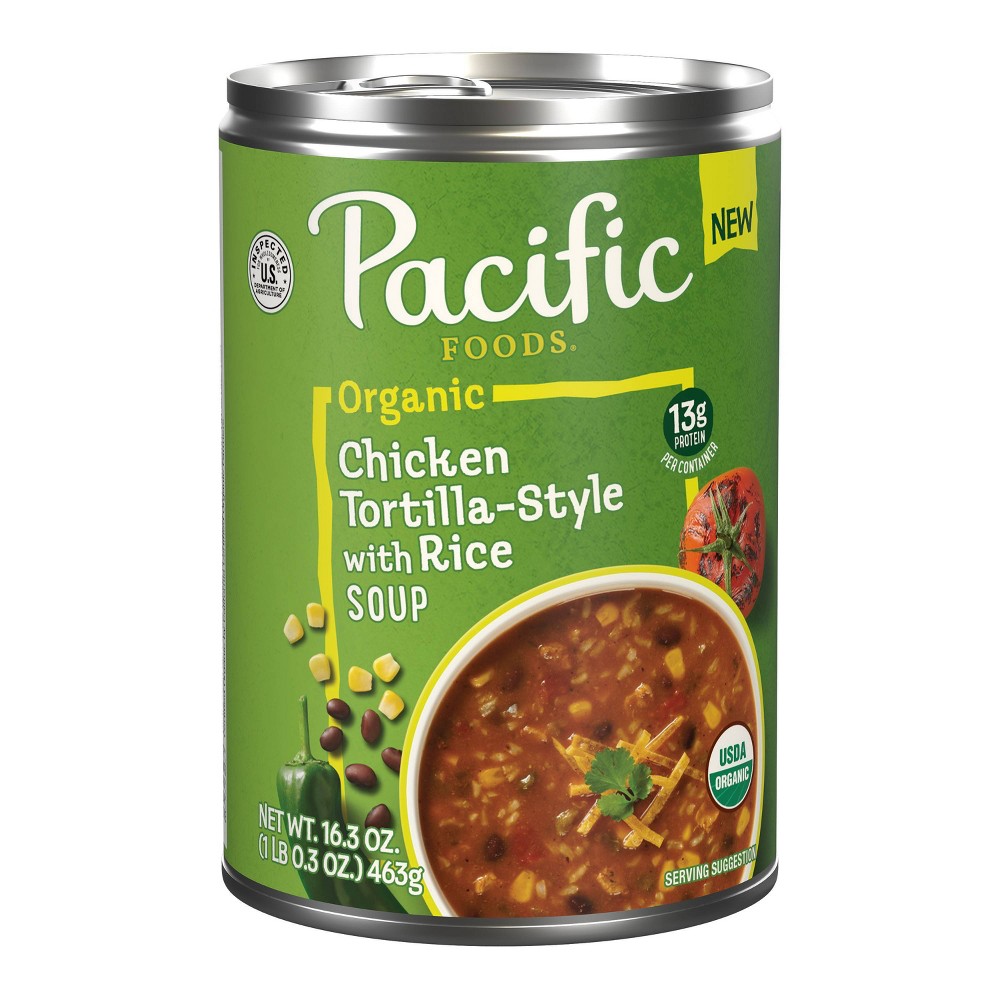
Chicken Tortilla Soup

At a glance
Summary
This chicken tortilla soup contains several beneficial ingredients like chicken broth, tomatoes, and peppers, which provide essential nutrients and antioxidants. However, it is classified as ultra-processed due to the presence of ingredients like soy protein isolate and natural flavors, which are highly processed and lack transparency. Additionally, the inclusion of sugar and modified food starch contributes to its processing level, limiting its overall healthiness.
Key ingredients 32
TomatoesVery Good
Tomatoes are a rich source of vitamins A and C, as well as the antioxidant lycopene. They are minimally processed and retain most of their nutrients when cooked. Lycopene has been linked to reduced risk of heart disease and cancer.
Benefits
High in antioxidants like lycopene, which may reduce the risk of chronic diseases.
Red bell peppersVery Good
Red bell peppers are high in vitamin C and other antioxidants. They are minimally processed and retain their nutrients when cooked. These peppers contribute to immune support and skin health.
Benefits
High in vitamin C and antioxidants, supporting immune function and skin health.
Chicken brothGood
Chicken broth is a flavorful base that provides protein and essential nutrients. It is typically made by simmering chicken bones and meat, which releases collagen and minerals. This ingredient can support joint health and provide a comforting taste.
Benefits
Rich in collagen and minerals that support joint health and provide a savory flavor base.
Cooked white chicken meatGood
Cooked white chicken meat is a high-quality protein source that provides essential amino acids. It is lean and low in fat, making it a healthy choice for muscle maintenance and repair. Compared to red meat, it has a lower saturated fat content.
Benefits
Provides essential amino acids for muscle maintenance and repair with low saturated fat content.
OnionsGood
Onions are a natural source of vitamins, minerals, and antioxidants. They contain quercetin, which has anti-inflammatory properties. Onions add flavor and nutritional value to dishes without significant calories.
Benefits
Rich in antioxidants and anti-inflammatory compounds like quercetin.
Green sweet peppersGood
Green sweet peppers are a good source of vitamins A and C. They are low in calories and provide dietary fiber. These peppers add flavor and nutrients to the soup.
Benefits
Provides vitamins A and C, contributing to overall health and flavor.
Black beansGood
Black beans are a good source of plant-based protein and fiber. They contain essential nutrients like iron and folate. These beans support digestive health and provide sustained energy.
Benefits
Rich in protein and fiber, supporting digestive health and providing essential nutrients.
Tomato pasteGood
Tomato paste is concentrated tomatoes, providing a rich source of lycopene and other antioxidants. It enhances the flavor and nutritional profile of dishes. The concentration process retains most of the beneficial compounds.
Benefits
Concentrated source of antioxidants like lycopene, enhancing flavor and nutrition.
CilantroGood
Cilantro is an herb that adds flavor and contains antioxidants. It is minimally processed and provides some vitamins and minerals. Cilantro can enhance the taste and nutritional profile of dishes.
Benefits
Contains antioxidants and enhances flavor.
Chili pepperGood
Chili pepper adds heat and contains capsaicin, which has anti-inflammatory properties. It is minimally processed and can boost metabolism. Chili peppers contribute to flavor and potential health benefits.
Risks
May cause irritation in sensitive individuals.
Benefits
Contains capsaicin, which may boost metabolism and reduce inflammation.
Coconut oilGood
Coconut oil is a source of medium-chain triglycerides (MCTs), which are easily metabolized for energy. It is less processed than many seed oils and provides a unique flavor. MCTs may support weight management and cognitive function.
Risks
High in saturated fats, which should be consumed in moderation.
Benefits
Contains MCTs that are easily metabolized and may support weight management.
Tomato extractGood
Tomato extract is concentrated in antioxidants like lycopene. It enhances the nutritional profile of foods by providing concentrated nutrients. Lycopene has been associated with reduced risk of chronic diseases.
Benefits
Rich in lycopene, which may reduce the risk of chronic diseases.
Garlic powderGood
Garlic powder is a concentrated form of garlic that retains its health benefits. It contains allicin, which has antimicrobial and cardiovascular benefits. It adds flavor and potential health benefits to dishes.
Benefits
Contains allicin, which may support cardiovascular health and provide antimicrobial properties.
ParsleyGood
Parsley is an herb rich in vitamins A, C, and K, as well as antioxidants. It is minimally processed and enhances the flavor and nutritional profile of dishes. Parsley may support bone health and immune function.
Benefits
Rich in vitamins and antioxidants, supporting bone health and immune function.
Chipotle pepperGood
Chipotle pepper adds a smoky flavor and contains capsaicin, which has anti-inflammatory properties. It is minimally processed and can enhance the flavor profile of dishes. Capsaicin may also boost metabolism.
Risks
May cause irritation in sensitive individuals.
Benefits
Contains capsaicin, which may boost metabolism and reduce inflammation.
Egg yolkGood
Egg yolk is a nutrient-dense ingredient rich in vitamins, minerals, and healthy fats. It provides essential nutrients like choline, which supports brain health. Compared to egg whites, yolks offer more nutrients and flavor.
Risks
High in cholesterol, which should be consumed in moderation.
Benefits
Rich in vitamins and choline, supporting brain health and providing flavor.
CornNeutral
Corn is a source of carbohydrates and provides some fiber. It is a staple ingredient in many dishes but is often genetically modified. While it adds texture and sweetness, it does not offer significant nutritional benefits.
Risks
Potential concerns with genetically modified varieties and high carbohydrate content.
Benefits
Provides dietary fiber and carbohydrates for energy.
Toasted corn flourNeutral
Toasted corn flour is used as a thickening agent and provides carbohydrates. It is processed but generally considered safe in moderation. It adds texture to the soup without significant nutritional benefits.
Risks
Potential concerns with genetically modified corn sources.
Benefits
Adds texture and thickness to the soup.
Modified food starchNeutral
Modified food starch is used as a thickener and stabilizer in processed foods. It is derived from various starches and is generally safe for consumption. It does not provide significant nutritional value.
Benefits
Provides texture and stability to the product.
WaterNeutral
Water is used as a base and solvent in many food products. It is essential for hydration and does not provide calories or nutrients. Its role is primarily functional in the soup.
Benefits
Essential for hydration and acts as a solvent in food products.
Corn protein (hydrolyzed)Neutral
Hydrolyzed corn protein is used to enhance flavor and provide amino acids. It is a processed ingredient but generally considered safe. It does not offer significant nutritional benefits compared to whole proteins.
Risks
Potential allergen for individuals sensitive to corn.
Benefits
Provides amino acids and enhances flavor.
SaltNeutral
Salt is used to enhance flavor and preserve food. It is a common ingredient in processed foods but should be consumed in moderation. Excessive intake can lead to health issues like hypertension.
Risks
High sodium intake can contribute to hypertension and cardiovascular issues.
Benefits
Enhances flavor and acts as a preservative.
SpiceNeutral
Spice is a generic term for various flavoring agents. It is used to enhance taste but does not provide specific nutritional benefits. The exact composition is not specified, which limits detailed analysis.
Benefits
Enhances flavor and aroma of the dish.
Potassium chlorideNeutral
Potassium chloride is used as a salt substitute to reduce sodium content. It provides potassium, an essential mineral for heart and muscle function. It is generally safe but should be consumed in moderation.
Risks
Excessive intake can lead to hyperkalemia, especially in individuals with kidney issues.
Benefits
Provides potassium, supporting heart and muscle function.
Onion powderNeutral
Onion powder is a dehydrated form of onions used for flavoring. It retains some of the nutritional benefits of fresh onions but in a concentrated form. It is convenient for adding onion flavor without moisture.
Benefits
Provides onion flavor and some antioxidants in a concentrated form.
Sodium phosphateNeutral
Sodium phosphate is used as an emulsifier and preservative in processed foods. It helps maintain texture and moisture but does not provide nutritional benefits. It is generally recognized as safe in small amounts.
Risks
Excessive intake can lead to imbalances in phosphate levels.
Benefits
Helps maintain texture and moisture in processed foods.
Calcium chlorideNeutral
Calcium chloride is used as a firming agent and to enhance texture in processed foods. It is generally recognized as safe but does not provide significant nutritional benefits. It helps maintain the desired consistency in food products.
Benefits
Helps maintain texture and firmness in processed foods.
Citric acidNeutral
Citric acid is a natural preservative and flavor enhancer found in citrus fruits. It is widely used in food processing to maintain freshness and enhance flavor. It is generally recognized as safe but does not provide significant nutritional benefits.
Benefits
Acts as a preservative and flavor enhancer in food products.
FlavoringNeutral
Flavoring is a generic term for substances added to enhance taste. It is used in small amounts and does not provide nutritional benefits. The lack of specificity limits detailed analysis.
Benefits
Enhances taste but lacks specific nutritional benefits.
SugarBad
Sugar is a refined carbohydrate that provides quick energy but lacks essential nutrients. Excessive consumption can lead to health issues like obesity and diabetes. It is often added to enhance sweetness but should be limited in a healthy diet.
Risks
High intake can contribute to obesity, diabetes, and dental issues.
Benefits
Provides quick energy but lacks essential nutrients.
Soy protein isolateBad
Soy protein isolate is a highly processed form of soy protein used to boost protein content. It lacks the complete amino acid profile of animal proteins and may contain anti-nutrients. It is often used in processed foods and should be consumed in moderation.
Risks
May contain anti-nutrients and is less bioavailable than animal proteins.
Benefits
Provides a plant-based protein source but is less complete than animal proteins.
Natural flavorBad
Natural flavor is a catch-all term for flavoring agents derived from natural sources. It lacks transparency and can include a wide range of substances. The lack of specificity makes it difficult to assess its health impact.
Risks
Lack of transparency can mask the presence of undesirable additives.
Benefits
Enhances flavor but lacks specific nutritional benefits.
Processing
Ultra-Processed Foods
Get the full breakdown in the Scout appTake Scout shopping
Scan any product to see lab results, healthy alternatives, and your personalized analysis.
Are you Progresso? Fix an error Get the badge Get tested
Amazon pricing & content
Amazon price as of . Product prices and availability are accurate as of the date/time indicated and are subject to change. Any price and availability information displayed on Amazon.com at the time of purchase will apply to the purchase of this product.
CERTAIN CONTENT THAT APPEARS ON THIS SITE COMES FROM AMAZON. THIS CONTENT IS PROVIDED “AS IS” AND IS SUBJECT TO CHANGE OR REMOVAL AT ANY TIME.