At a glance
Summary
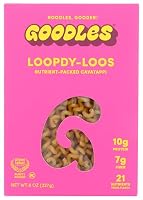
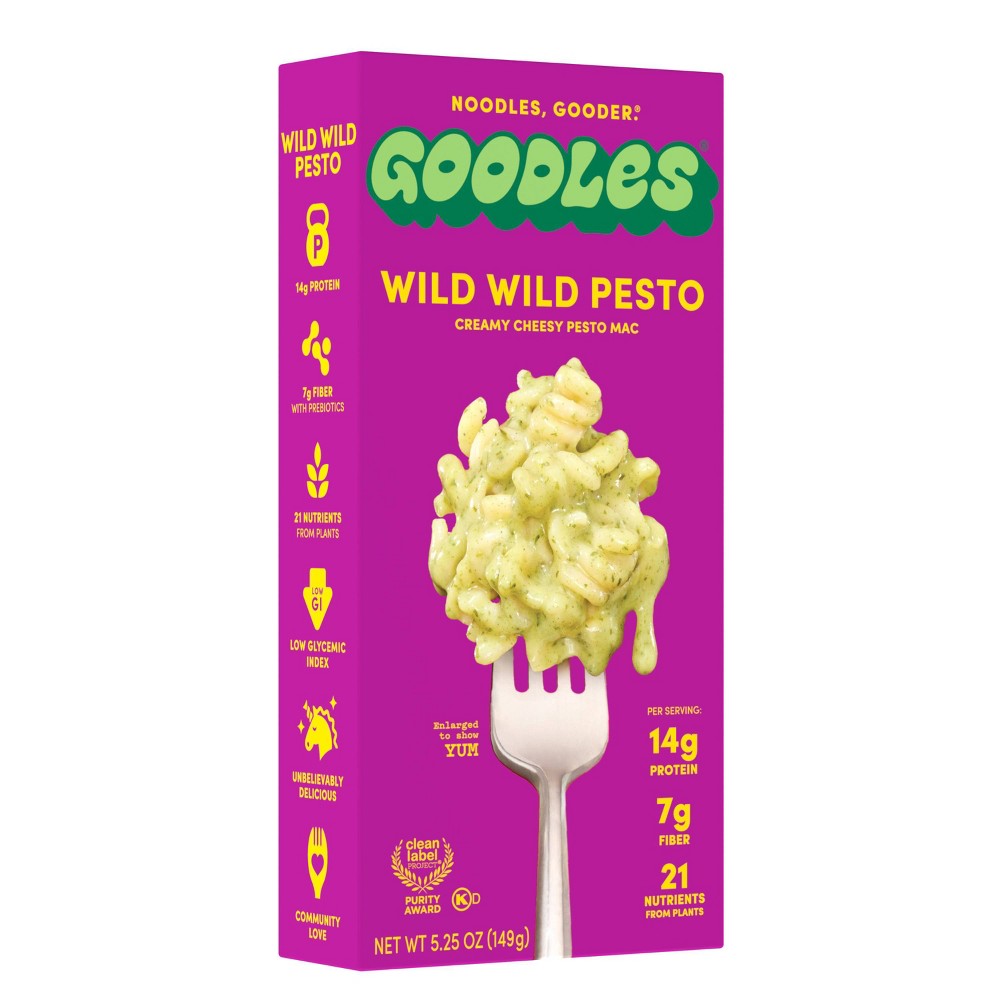
This product contains a variety of beneficial ingredients such as chickpea protein, spinach, kale, and pumpkin, which contribute to its nutritional value. However, it is classified as ultra-processed due to the presence of additives like disodium phosphate and natural flavors, which are common in processed foods. The processing level and the use of these additives limit the overall health score despite the presence of nutrient-rich components.
Key ingredients 25
Chickpea proteinGood
Chickpea protein is a plant-based protein source that is rich in essential amino acids. It is minimally processed compared to other plant proteins and offers a good alternative for those avoiding animal products. Chickpea protein also contributes to the fiber content of the product.
Benefits
Provides essential amino acids and contributes to dietary fiber, supporting digestive health.
Nutrients extracted from broccoliGood
Broccoli extracts provide vitamins and minerals such as vitamin C and calcium. These nutrients are beneficial for immune function and bone health. The extraction process retains essential nutrients while removing non-nutritive components.
Benefits
Rich in vitamins and minerals that support overall health, including immune and bone health.
SpinachGood
Spinach is a leafy green vegetable rich in vitamins A, C, and K, as well as iron and calcium. It is minimally processed and retains most of its nutritional benefits. Spinach contributes to the antioxidant content of the product.
Benefits
Provides essential vitamins and minerals, supporting eye health and bone strength.
KaleGood
Kale is a nutrient-dense leafy green high in vitamins A, C, and K, as well as antioxidants. It is minimally processed, preserving its health benefits. Kale supports cardiovascular health and provides anti-inflammatory properties.
Benefits
Rich in vitamins and antioxidants, promoting heart health and reducing inflammation.
PumpkinGood
Pumpkin is a low-calorie vegetable rich in beta-carotene, fiber, and vitamins. It is minimally processed and adds natural sweetness and nutrients to the product. Pumpkin supports eye health and digestion.
Benefits
Provides beta-carotene and fiber, supporting vision and digestive health.
Sweet potatoGood
Sweet potato is a nutritious root vegetable high in fiber, vitamins A and C, and antioxidants. It is minimally processed and contributes to the product's nutrient density. Sweet potato supports immune function and gut health.
Benefits
Rich in vitamins and fiber, promoting immune health and aiding digestion.
CranberryGood
Cranberries are rich in antioxidants and vitamin C, supporting immune health. They are minimally processed and add natural flavor and nutrients to the product. Cranberries may also support urinary tract health.
Benefits
Rich in antioxidants and vitamin C, promoting immune and urinary tract health.
ChlorellaGood
Chlorella is a nutrient-rich algae high in protein, vitamins, and minerals. It is minimally processed and offers detoxifying properties. Chlorella supports immune function and may aid in detoxification.
Benefits
Provides protein and nutrients, supporting detoxification and immune health.
Maitake mushroomGood
Maitake mushrooms are known for their immune-boosting properties and are rich in antioxidants. They are minimally processed and contribute to the product's health benefits. Maitake mushrooms may also support blood sugar regulation.
Benefits
Rich in antioxidants and supports immune health and blood sugar regulation.
Shiitake mushroomGood
Shiitake mushrooms are a source of vitamins, minerals, and antioxidants. They are minimally processed and support immune health. Shiitake mushrooms may also have anti-inflammatory properties.
Benefits
Provides vitamins and antioxidants, supporting immune health and reducing inflammation.
WheyGood
Whey is a high-quality protein source rich in essential amino acids. It is derived from milk and supports muscle growth and repair. Whey is well-absorbed and beneficial for active individuals.
Risks
May cause allergic reactions in individuals with milk allergies.
Benefits
Provides high-quality protein, supporting muscle maintenance and repair.
GarlicGood
Garlic is a flavorful herb known for its potential health benefits, including cardiovascular support. It is minimally processed and retains its beneficial compounds. Garlic may also have antimicrobial properties.
Benefits
Supports cardiovascular health and may have antimicrobial properties.
ParsleyGood
Parsley is a herb rich in vitamins A, C, and K, and antioxidants. It is minimally processed and adds flavor and nutrients to the product. Parsley supports bone health and has anti-inflammatory properties.
Benefits
Rich in vitamins and antioxidants, supporting bone health and reducing inflammation.
BasilGood
Basil is a herb known for its aromatic flavor and potential health benefits, including anti-inflammatory properties. It is minimally processed and adds flavor and nutrients to the product. Basil may also support digestive health.
Benefits
Provides flavor and has anti-inflammatory properties, supporting digestive health.
Wheat flourNeutral
Wheat flour is a common base ingredient in pasta products. It provides carbohydrates and some protein but lacks fiber and essential nutrients compared to whole grain options. The processing of wheat flour removes the bran and germ, reducing its nutritional value.
Risks
May cause allergic reactions in individuals with gluten intolerance or celiac disease.
Benefits
Provides a source of energy through carbohydrates and contains some protein.
Wheat proteinNeutral
Wheat protein is used to enhance the protein content of the product. It is derived from wheat and may not provide a complete amino acid profile compared to animal proteins. The processing of wheat protein can reduce its nutritional quality.
Risks
May cause allergic reactions in individuals with gluten intolerance or celiac disease.
Benefits
Increases the protein content of the product, which can be beneficial for muscle maintenance.
Sunflower seedNeutral
Sunflower seeds are a source of healthy fats, protein, and vitamin E. They are minimally processed and provide some nutritional benefits. However, they are not a significant component of the product.
Benefits
Provides healthy fats and vitamin E, supporting skin health.
Cultured milkNeutral
Cultured milk is a dairy product that provides probiotics and calcium. It is processed through fermentation, which can enhance gut health. However, it may not be suitable for those with lactose intolerance.
Risks
May cause digestive issues in individuals with lactose intolerance.
Benefits
Provides probiotics and calcium, supporting gut and bone health.
ButtermilkNeutral
Buttermilk is a dairy product that adds flavor and texture to foods. It contains some calcium and probiotics but is not a significant source of nutrients. Buttermilk is processed through fermentation, which can aid digestion.
Risks
May cause digestive issues in individuals with lactose intolerance.
Benefits
Provides probiotics and enhances flavor and texture in foods.
SaltNeutral
Salt is used to enhance flavor and preserve food. It is a source of sodium, which is essential for fluid balance but can contribute to high blood pressure if consumed in excess. The product's sodium content should be monitored for those with hypertension.
Risks
Excessive sodium intake can lead to high blood pressure and cardiovascular issues.
Benefits
Enhances flavor and is essential for maintaining fluid balance.
Lactic acidNeutral
Lactic acid is used as a preservative and flavoring agent in foods. It is naturally occurring and generally recognized as safe. Lactic acid can also aid in digestion when derived from fermentation.
Benefits
Acts as a preservative and may aid digestion when derived from fermentation.
EnzymesNeutral
Enzymes are used to aid in the processing of foods, such as breaking down proteins or starches. They are naturally occurring and generally recognized as safe. Enzymes can improve the texture and digestibility of foods.
Benefits
Improves food texture and digestibility.
Tapioca flourNeutral
Tapioca flour is a gluten-free starch used to improve texture and consistency in foods. It is derived from the cassava root and is minimally processed. Tapioca flour is not a significant source of nutrients but is useful in gluten-free cooking.
Benefits
Improves texture and is suitable for gluten-free diets.
Disodium phosphateBad
Disodium phosphate is an additive used to stabilize and emulsify foods. It is a processed ingredient that can contribute to an imbalance in phosphate levels if consumed in large amounts. Its use in processed foods is common but not nutritionally beneficial.
Risks
Excessive intake may lead to an imbalance in phosphate levels, affecting bone health.
Natural flavorBad
Natural flavors are used to enhance the taste of foods but are often highly processed. They can contain a variety of chemical compounds, making them less transparent than whole food ingredients. The lack of specificity in labeling can be concerning for those with allergies or sensitivities.
Risks
May contain allergens or compounds that cause sensitivities in some individuals.
Processing
Ultra-Processed Foods
Get the full breakdown in the Scout appTake Scout shopping
Scan any product to see lab results, healthy alternatives, and your personalized analysis.
Are you Goodles? Fix an error Get the badge Get tested
Amazon pricing & content
CERTAIN CONTENT THAT APPEARS ON THIS SITE COMES FROM AMAZON. THIS CONTENT IS PROVIDED “AS IS” AND IS SUBJECT TO CHANGE OR REMOVAL AT ANY TIME.