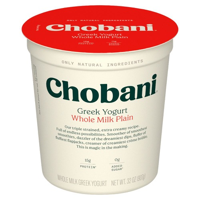
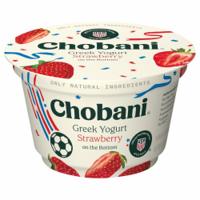
Chobani Low-Fat Greek Yogurt With Pineapple On The Bottom
Chobani
At a glance
Summary
This yogurt contains beneficial ingredients like cultured reduced fat milk and probiotics, which support gut health. However, it includes added cane sugar and natural flavors, which are less desirable due to their potential health impacts and lack of transparency. The product is also classified as ultra-processed, which limits its overall health score despite the presence of some positive ingredients.
Key ingredients 17
Cultured reduced fat milkGood
Cultured reduced fat milk is a source of protein and probiotics, beneficial for gut health. It is less processed compared to other dairy alternatives. The fermentation process enhances its digestibility and nutrient absorption.
Risks
Lactose intolerance may cause digestive issues for some individuals.
Benefits
Provides essential nutrients like calcium and protein, supporting bone health and muscle maintenance.
PineappleGood
Pineapple is a natural fruit rich in vitamins and antioxidants. It provides dietary fiber and bromelain, an enzyme that aids digestion. The fruit's natural sugars are balanced by its nutrient content.
Risks
Excessive consumption may lead to digestive discomfort due to its acidity.
Benefits
Rich in vitamin C and antioxidants, supporting immune function and reducing inflammation.
Fruit pectinGood
Fruit pectin is a natural thickening agent derived from fruits. It is used to improve texture and stability in food products. Pectin can aid digestion and support gut health by acting as a prebiotic.
Benefits
May help improve digestive health and support beneficial gut bacteria.
TurmericGood
Turmeric is a natural spice used for coloring and has anti-inflammatory properties. It contains curcumin, a compound with potential health benefits. Its use in small amounts adds color without significant health risks.
Benefits
Contains curcumin, which may have anti-inflammatory and antioxidant effects.
S. ThermophilusGood
S. Thermophilus is a probiotic culture used in yogurt fermentation. It aids in lactose digestion and supports gut health. Its presence enhances the nutritional profile of yogurt by promoting beneficial bacteria.
Benefits
Supports gut health and improves lactose digestion.
L. BulgaricusGood
L. Bulgaricus is a beneficial probiotic used in yogurt production. It helps in fermenting milk and improving gut health. Its presence in yogurt contributes to a healthy digestive system.
Benefits
Promotes gut health and aids in digestion.
L. AcidophilusGood
L. Acidophilus is a probiotic that supports digestive health. It is commonly used in yogurt to enhance its probiotic content. This bacterium helps maintain a balanced gut microbiome.
Benefits
Supports a healthy gut microbiome and aids in digestion.
BifidusGood
Bifidus is a probiotic strain that supports gut health. It is often included in yogurt to enhance its probiotic benefits. This strain helps improve digestion and nutrient absorption.
Benefits
Enhances gut health and improves digestion.
L. CaseiGood
L. Casei is a probiotic that aids in digestion and supports immune health. It is used in yogurt to boost its probiotic content. This bacterium helps maintain a healthy balance of gut flora.
Benefits
Supports digestive health and boosts the immune system.
L. RhamnosusGood
L. Rhamnosus is a probiotic known for its digestive and immune health benefits. It is included in yogurt to enhance its probiotic profile. This strain is beneficial for maintaining gut health and preventing gastrointestinal issues.
Benefits
Promotes gut health and supports the immune system.
WaterNeutral
Water is used as a solvent and to adjust the consistency of the product. It is a neutral ingredient with no direct health impact. Its presence is essential for maintaining the desired texture and moisture content.
See more about Water →Pineapple juice concentrateNeutral
Pineapple juice concentrate is used for flavoring and sweetness. It is more processed than fresh pineapple, reducing its nutritional value. The concentration process removes some beneficial nutrients and fiber.
Risks
May contribute to sugar content without providing fiber.
Benefits
Adds natural pineapple flavor and some vitamins.
Guar gumNeutral
Guar gum is a thickening agent derived from guar beans. It is used to improve texture and consistency in food products. While generally safe, excessive consumption may cause digestive issues.
Risks
May cause digestive discomfort in sensitive individuals when consumed in large amounts.
Benefits
Helps stabilize and thicken food products, improving texture.
Locust bean gumNeutral
Locust bean gum is a natural thickener derived from carob seeds. It is used to enhance texture and stability in food products. It is generally recognized as safe with minimal health concerns.
Benefits
Improves texture and consistency in food products.
Lemon juice concentrateNeutral
Lemon juice concentrate is used for flavoring and acidity. It is more processed than fresh lemon juice, reducing its nutritional value. The concentration process removes some beneficial nutrients.
Risks
May contribute to acidity without providing significant nutrients.
Benefits
Adds natural lemon flavor and some vitamin C.
Cane sugarBad
Cane sugar is a refined sugar that can contribute to increased calorie intake without providing essential nutrients. It is associated with various health issues when consumed in excess. Its presence in processed foods is often linked to higher risks of obesity and metabolic disorders.
Risks
High intake can lead to weight gain, insulin resistance, and dental cavities.
Benefits
Provides quick energy but lacks significant nutritional benefits.
Natural flavorsBad
Natural flavors are ambiguous and can include a variety of chemical compounds. They are often used to enhance taste without providing nutritional benefits. The lack of transparency in their composition raises concerns about potential allergens and additives.
Risks
Potential allergens and unknown additives may pose health risks.
Processing
Ultra-Processed Foods
Get the full breakdown in the Scout appTake Scout shopping
Scan any product to see lab results, healthy alternatives, and your personalized analysis.
Are you Chobani? Fix an error Get the badge Get tested
Amazon pricing & content
Amazon price as of . Product prices and availability are accurate as of the date/time indicated and are subject to change. Any price and availability information displayed on Amazon.com at the time of purchase will apply to the purchase of this product.
CERTAIN CONTENT THAT APPEARS ON THIS SITE COMES FROM AMAZON. THIS CONTENT IS PROVIDED “AS IS” AND IS SUBJECT TO CHANGE OR REMOVAL AT ANY TIME.