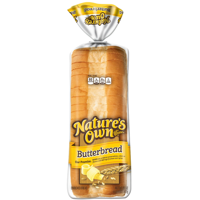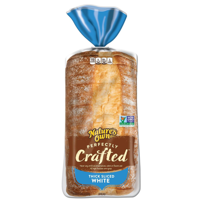
Nature's Own Hawaiian Bread
Swap it for
 PACHA Organic & Gluten Free Buckwheat Sourdough Bread Pacha · 22 oz View on Amazon
See moreSee less
-
 Seitenbacher Sourdough Bread Seitenbacher View on Amazon
-
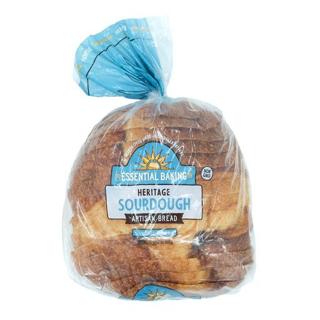
 The Essential Baking Company Organic Heritage Sourdough Bread Essential Baking Company View on Amazon
-
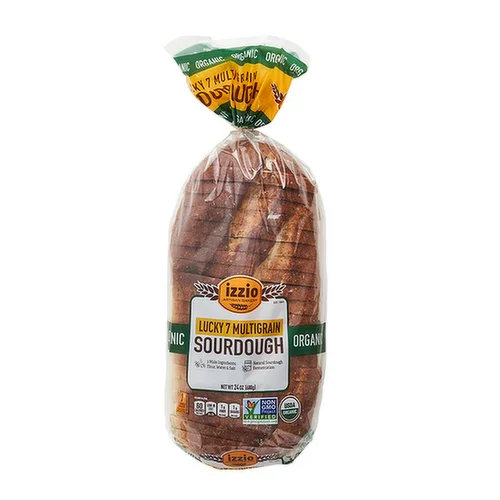 Izzio Organic Lucky 7 Multigrain Sourdough Izzio View on Amazon
-
 izzio Artisan Bakery Rustic Italian Sourdough izzio View on Amazon
-
 365 Whole Foods Market Touch O' Honey Wheat Sliced Bread 365 Whole Foods Market View on Amazon
-
 365 Whole Foods Market Artisan Sourdough Sliced Bread 365 Whole Foods Market View on Amazon
-
 Stone Milled Mighty Wheat Organic Bread One Mighty Mill View on Amazon
At a glance
Summary
Nature's Own Hawaiian Bread is heavily processed, containing refined flour, sugar, and soybean oil, which are associated with negative health impacts such as inflammation and nutrient deficiencies. The presence of emulsifiers like monoglycerides and soy lecithin further indicates a high level of processing. Despite the inclusion of some natural ingredients like pineapple juice concentrate, the overall formulation relies on additives and refined components, limiting its health benefits. Its plastic packaging can shed microplastics into the food and lowers its score.
Key ingredients 21
Soybean oilVery Bad
Soybean oil is a seed oil high in omega-6 fatty acids, which can promote inflammation. It is often extracted using chemical solvents, which can affect its quality. Its high omega-6 content is a concern for health when consumed in excess.
Risks
High omega-6 content may promote inflammation when consumed in excess.
Unbleached enriched flourBad
Unbleached enriched flour is a refined carbohydrate that lacks the fiber and nutrients found in whole grains. It is often enriched with synthetic vitamins to replace some lost nutrients. The refining process removes beneficial components, making it less nutritious than whole grain alternatives.
Risks
Consumption of refined flour can lead to spikes in blood sugar levels and may contribute to weight gain and metabolic issues.
Benefits
Enrichment adds back some vitamins and minerals, such as iron and B vitamins, which can help prevent deficiencies.
SugarBad
Sugar is a refined carbohydrate that provides quick energy but lacks essential nutrients. Excessive consumption can lead to health issues such as obesity and diabetes. It is often added to enhance flavor but contributes empty calories.
Risks
High intake can lead to weight gain, insulin resistance, and increased risk of chronic diseases.
Benefits
Provides quick energy but should be consumed in moderation.
MonoglyceridesBad
Monoglycerides are emulsifiers used to improve texture and extend shelf life. They are processed additives that can contain trans fats. While they improve product stability, they are not beneficial for health.
Risks
May contain trans fats, which are linked to heart disease.
Benefits
Improves texture and extends shelf life.
Soy lecithinBad
Soy lecithin is an emulsifier used to improve texture and extend shelf life. It is derived from soybeans and can contain allergens. While it stabilizes products, it is a processed additive with minimal nutritional benefits.
Risks
May cause allergic reactions in individuals sensitive to soy.
Benefits
Improves texture and extends shelf life.
Malted barley flourNeutral
Malted barley flour is used to enhance flavor and improve the texture of baked goods. It contains enzymes that can help break down starches into sugars. While it adds some nutritional value, it is typically used in small amounts.
Benefits
Provides enzymes that can improve the texture and flavor of baked goods.
NiacinNeutral
Niacin, also known as vitamin B3, is added to enriched flour to help prevent deficiencies. It plays a role in energy metabolism and maintaining healthy skin. As a synthetic additive, it does not provide the same benefits as naturally occurring niacin in whole foods.
Risks
Excessive intake of niacin supplements can cause flushing and liver damage, but this is unlikely from food sources.
Benefits
Essential for energy production and maintaining healthy skin and nerves.
Reduced ironNeutral
Reduced iron is added to enriched flour to prevent iron deficiency anemia. It is a form of elemental iron that is less bioavailable than heme iron from animal sources. While it helps meet dietary iron needs, it is not as efficiently absorbed as iron from meat.
Risks
Excessive iron intake can lead to toxicity, but this is rare from food sources alone.
Benefits
Helps prevent iron deficiency anemia by contributing to daily iron intake.
Thiamin mononitrateNeutral
Thiamin mononitrate is a synthetic form of vitamin B1 added to enriched flour. It is essential for carbohydrate metabolism and nerve function. While it helps prevent deficiencies, it does not offer the same benefits as naturally occurring thiamin in whole foods.
Benefits
Essential for energy metabolism and proper nerve function.
RiboflavinNeutral
Riboflavin, or vitamin B2, is added to enriched flour to support energy production and cellular function. It is water-soluble and helps convert food into energy. As a synthetic additive, it does not provide the same benefits as naturally occurring riboflavin in whole foods.
Benefits
Supports energy production and cellular function.
Folic acidNeutral
Folic acid is a synthetic form of vitamin B9 added to enriched flour to prevent neural tube defects. It is crucial for DNA synthesis and cell division. While beneficial for preventing deficiencies, it is not as bioavailable as folate from natural sources.
Risks
Excessive intake of folic acid supplements can mask vitamin B12 deficiency.
Benefits
Essential for DNA synthesis and preventing neural tube defects during pregnancy.
WaterNeutral
Water is used as a solvent and to provide moisture in the bread. It is a basic ingredient with no nutritional value. Its primary role is to aid in the mixing and baking process.
See more about Water →YeastNeutral
Yeast is a microorganism used in baking to leaven bread. It ferments sugars, producing carbon dioxide that helps dough rise. It is a natural ingredient with no significant health concerns.
Benefits
Contributes to the leavening and flavor of bread.
Wheat glutenNeutral
Wheat gluten is a protein that provides elasticity and structure to bread. It is essential for the texture of baked goods. While beneficial for bread quality, it can cause issues for those with gluten intolerance or celiac disease.
Risks
Can cause adverse reactions in individuals with gluten intolerance or celiac disease.
Benefits
Improves the texture and structure of bread.
Pineapple juice concentrateNeutral
Pineapple juice concentrate is used for flavoring and sweetness. It contains natural sugars and some vitamins. While it adds flavor, it is concentrated and lacks the fiber of whole fruit.
Risks
High in natural sugars, which can contribute to calorie intake.
Benefits
Provides natural sweetness and some vitamins.
SaltNeutral
Salt is used to enhance flavor and as a preservative. It is a common ingredient in bread but does not provide additional nutritional benefits. Excessive consumption can lead to health issues such as hypertension.
Risks
High sodium intake can contribute to hypertension and cardiovascular disease.
Benefits
Enhances flavor and acts as a preservative.
Cultured wheat flourNeutral
Cultured wheat flour is used as a natural preservative to extend shelf life. It is made by fermenting wheat flour with bacteria. While it helps preserve the product, it does not add significant nutritional value.
Benefits
Acts as a natural preservative to extend shelf life.
ButterNeutral
Butter is a dairy product used for flavor and texture. It contains saturated fats and some vitamins like A and D. While it adds richness, it should be consumed in moderation due to its fat content.
Risks
High in saturated fats, which can contribute to heart disease if consumed in excess.
Benefits
Provides flavor and contains fat-soluble vitamins.
Monocalcium phosphateNeutral
Monocalcium phosphate is a leavening agent used in baking. It reacts with baking soda to produce carbon dioxide, helping dough rise. It is generally recognized as safe but does not provide nutritional benefits.
Benefits
Acts as a leavening agent to help dough rise.
EnzymesNeutral
Enzymes are used to improve dough handling and bread quality. They are natural proteins that catalyze biochemical reactions. While they enhance product quality, they do not provide direct nutritional benefits.
Benefits
Improves dough handling and bread quality.
Ascorbic acidNeutral
Ascorbic acid, or vitamin C, is used as a dough conditioner to improve bread texture. It is an antioxidant but is used in small amounts in baking. While beneficial as a vitamin, its role in bread is primarily functional.
Benefits
Improves dough texture and acts as an antioxidant.
Processing
Ultra-Processed Foods
Get the full breakdown in the Scout appTake Scout shopping
Scan any product to see lab results, healthy alternatives, and your personalized analysis.
Are you Nature's Own? Fix an error Get the badge Get tested
Amazon pricing & content
CERTAIN CONTENT THAT APPEARS ON THIS SITE COMES FROM AMAZON. THIS CONTENT IS PROVIDED “AS IS” AND IS SUBJECT TO CHANGE OR REMOVAL AT ANY TIME.